Advertisement
Regulation & Policy
Share
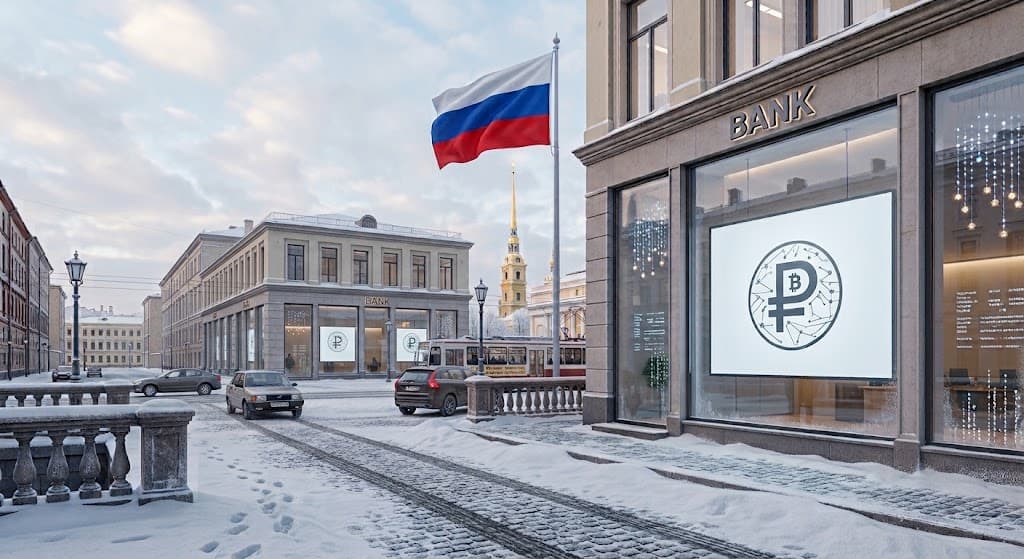
Russia’s central bank is preparing to tighten oversight of cryptocurrency activity, proposing new rules that would require all domestic crypto users to undergo identity verification checks as part of a broader regulatory framework.
The initiative, led by the Central Bank of Russia, aims to increase transparency in the sector while addressing concerns around capital outflows and regulatory compliance.
Under the proposed framework, users would be required to complete know-your-customer (KYC) procedures before accessing certain services, including withdrawing funds from crypto wallets operated by Russian firms.
Domestic exchanges and custodial service providers would be obligated to verify user identities, effectively reducing anonymity in crypto transactions within the country.
The measures are expected to form part of a broader set of crypto regulations currently under development, with implementation anticipated later this year.
The central bank is also seeking greater visibility into cryptocurrency holdings held outside Russia. Officials have indicated that while individuals and companies will still be allowed to use foreign wallets, they may be required to declare these assets to tax authorities.
The move reflects growing concern among policymakers about capital moving beyond the reach of domestic oversight, particularly as many Russian crypto users rely on offshore platforms.
One of the more significant proposals involves limiting how funds can move between different types of wallets.
Authorities are considering restricting transfers from Russian custodial wallets to non-custodial wallets abroad, which are typically controlled directly by users and are harder to monitor. Instead, transactions may need to pass through licensed domestic intermediaries that comply with verification requirements.
This could also affect how users move funds from international exchanges, potentially requiring assets to be routed through approved Russian platforms before reaching private wallets.
Officials have emphasized that the proposed rules are not intended to ban cryptocurrency ownership. Users would still be allowed to hold and use digital assets, including those stored on foreign platforms.
However, the focus is on ensuring that transactions involving domestic infrastructure remain transparent and compliant with anti-money laundering standards.
The proposals have raised concerns within the crypto community, where privacy and user control are often considered core principles. Non-custodial wallets, in particular, are valued for allowing users to manage their own assets without relying on intermediaries.
Regulators, however, argue that such wallets present challenges for monitoring and enforcement, making it difficult to apply existing compliance frameworks.
The planned measures come as Russia works to formalize its crypto sector, which has operated with limited regulation to date. Lawmakers are currently advancing legislation aimed at establishing clearer rules for exchanges, custodians, and users.
At the same time, the government is moving forward with broader financial initiatives, including the development of a blockchain-based digital ruble.
Together, these efforts suggest a shift toward a more controlled and transparent crypto environment, where access remains permitted but subject to stricter oversight.

Disclaimer of Warranty
The information provided in this article is for general informational purposes only. We make no warranties about the completeness, reliability, and accuracy of this information. Read full disclaimer

Editor's Picks
In the Same Space

Greece Proposes 10% Crypto Gains Tax as Digital Assets Enter Tax Framework

News Desk

Oct 8, 2026

5 min

Philippines’ Largest Crypto Exchange Faces License Threat Over Gambling Links
News Desk
Oct 14, 2026
3 min

Sberbank Wins Russia Approval to Trade Bitcoin and Crypto
News Desk
Oct 15, 2026
4 min

Perpetuals Targets Tokenized US Stocks Under SEC’s New Trading Framework
News Desk
Oct 15, 2026
3 min