Advertisement
Stablecoins & Payments
Share
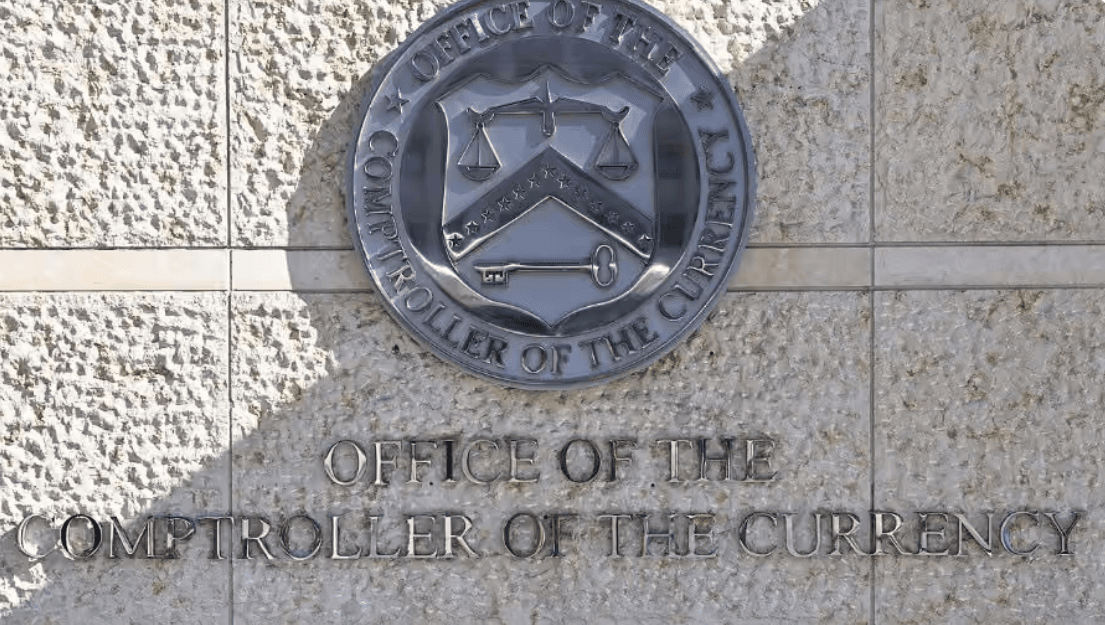
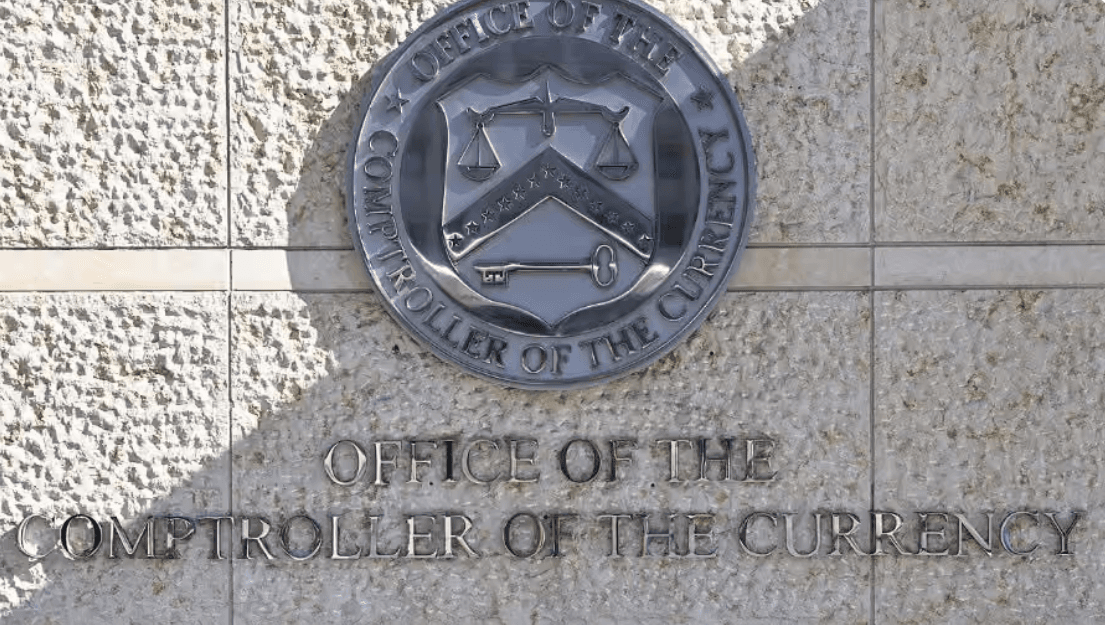
The U.S. Office of the Comptroller of the Currency (OCC) has urged community banks to participate in the stablecoin payments market, signaling a regulatory push to broaden institutional adoption of digital currency infrastructure.
The US Office of the Comptroller of the Currency (OCC) is encouraging community banks to enter the stablecoin market, inviting them to seek authorization to issue their own dollar-pegged digital currencies, either directly or through subsidiaries.
The initiative aims to give smaller banking institutions a role in shaping the future of digital payments as stablecoins gain traction across the financial sector. The OCC is urging interested banks to consider becoming permitted stablecoin issuers under the GENIUS Act, as regulators work to establish a federal framework for the industry.
The OCC, an agency of the US Treasury Department, supervises national banks, federal savings associations and the federal branches and agencies of foreign banks. Its latest outreach reflects an effort to broaden participation in stablecoin issuance beyond large financial institutions and established digital asset companies.
The push comes amid growing disagreement within the banking industry over how stablecoins could affect traditional deposits. Banking groups have warned that yield and rewards programs tied to stablecoins could encourage customers to move money away from conventional bank accounts, potentially reducing funds available for lending.
The OCC’s approach presents another possibility: community banks could issue stablecoins themselves and participate in the evolution of digital payments rather than risk losing ground to new competitors.
The outreach follows a regulatory milestone on October 21, when the OCC announced its final rule implementing the GENIUS Act, with an effective date of January 18, 2027.
The rules cover key aspects of stablecoin issuance, including reserve requirements, redemption, asset custody, risk management and supervision of issuers under the agency’s jurisdiction.
The OCC also issued guidance on licensing applications and potential temporary exemptions. Under the guidance, eligible existing issuers with substantially complete applications pending by January 18, 2027, may seek written relief from certain requirements while their applications are reviewed. The agency said it expects to grant such relief where appropriate.
However, as of October 26, the OCC had not yet begun accepting applications for authorization or exemptions. The process remains dependent on final approval of the required forms by the US Office of Management and Budget. The regulator said it would announce when submissions can begin once the necessary procedures are complete.
The OCC has also published revised versions of the weekly and quarterly reporting forms that supervised stablecoin issuers will be required to use. The agency opened a 30-day period for public comments following their publication in the Federal Register. The reporting requirements are intended to improve financial transparency and help regulators monitor compliance with the new framework.
While the OCC is encouraging community banks to pursue stablecoin issuance, its broader approach to digital asset companies has drawn legal challenges from traditional banking interests.
On October 2, the Independent Community Bankers of America (ICBA) filed a lawsuit against the OCC in federal court in Washington, accusing the regulator of exceeding its legal authority by facilitating national trust bank charters for cryptocurrency companies and other fintech firms.
The banking group argues that these charters may allow companies to conduct activities extending beyond traditional trust and custody services without being subject to the same safeguards and oversight requirements as conventional banks. The ICBA is seeking to overturn the relevant rules and guidance, raising concerns that consumers could mistakenly believe digital assets held by these companies carry the same federal protections as insured bank deposits.
Senator Elizabeth Warren raised similar questions in May, asking the OCC to explain its approval of nine national trust bank charters for companies focused on digital assets. Warren questioned whether certain activities conducted by these firms were consistent with legal requirements and called for access to the applications and legal analyses underlying the agency’s decisions.
In comments reported by CoinDesk, an OCC spokesperson said trust charters granted to cryptocurrency companies differ from traditional bank charters because the companies’ activities and business models are different from those of community banks.
The dispute highlights a broader debate over how far crypto companies should be allowed to operate within the US banking system and what protections should apply to their customers.
The OCC’s work extends beyond licensing and reserve requirements. In June 2026, the agency proposed rules to apply Bank Secrecy Act obligations, anti-money laundering and counter-terrorist financing requirements, and US sanctions compliance provisions to stablecoin issuers under its supervision through the GENIUS Act.
The proposal is intended to address compliance requirements not covered by the final rule issued in October, with the OCC coordinating with the Treasury Department.
Together, these measures point towards a regulatory framework that covers multiple stages of stablecoin operations, from authorization and reserve management to redemption, custody and controls against illicit financial activity.
For community banks considering entry into the market, the rules could provide a clearer regulatory pathway. They would also introduce compliance and operational responsibilities that institutions must be prepared to meet.
The OCC’s initiative could create opportunities for smaller banks to develop digital payment services and retain customers who increasingly expect access to blockchain-based financial products. Issuing stablecoins may also give community institutions a way to compete with larger banks and digital asset firms as payment infrastructure evolves.
But entering the market will require more than regulatory approval. Smaller institutions must assess the costs of technology, reserve management, cybersecurity, compliance and redemption operations, as well as their ability to compete with companies that already have established digital asset infrastructure.
At the same time, the legal dispute over crypto-related bank charters highlights the unresolved question of how regulators should distinguish traditional banking activities from services offered by digital asset companies.
The challenge for US regulators is to expand competition in digital payments without creating uneven standards for consumer protection and financial stability. Encouraging community banks to issue stablecoins while facing opposition over crypto firms’ access to bank charters illustrates the competing interests shaping that effort.
Ultimately, the success of the GENIUS Act framework will depend not only on how quickly issuers receive authorization, but also on how consistently the rules are applied, whether consumers understand the protections available to them and whether smaller banks can participate without taking on risks they are not equipped to manage.

Disclaimer of Warranty
The information provided in this article is for general informational purposes only. We make no warranties about the completeness, reliability, and accuracy of this information. Read full disclaimer

Editor's Picks
In the Same Space

Canada’s Stablecoin Rulebook Takes Shape as Yield Ban Stays and Tougher Rules Loom

News Desk

Oct 27, 2026

6 min

Bitcoin Briefly Falls Below $80,000 as Fed Meeting and AI Selloff Rattle Markets
News Desk
Oct 26, 2026
4 min

Trump to Address Overseas Crypto Fraud as US Targets Scam Networks
News Desk
Oct 22, 2026
6 min

Fuze Finance Targets US Market With New Modern Treasury Stablecoin Payment Deal
Anna K.
Oct 20, 2026
6 min