Advertisement
Regulation & Policy
Share
North Carolina recognized CFTC-registered prediction markets like Polymarket and Kalshi under federal oversight, introducing a 6% tax on net trading fees from 2027.
North Carolina has introduced legislation that formally acknowledges the federal government’s authority over prediction markets while applying a lower tax rate to these platforms compared with traditional sports betting operators.
On July 7, Governor Josh Stein signed Senate Bill 257 as part of the state’s 2026 budget package, establishing a clearer regulatory approach for prediction market platforms operating in the state.
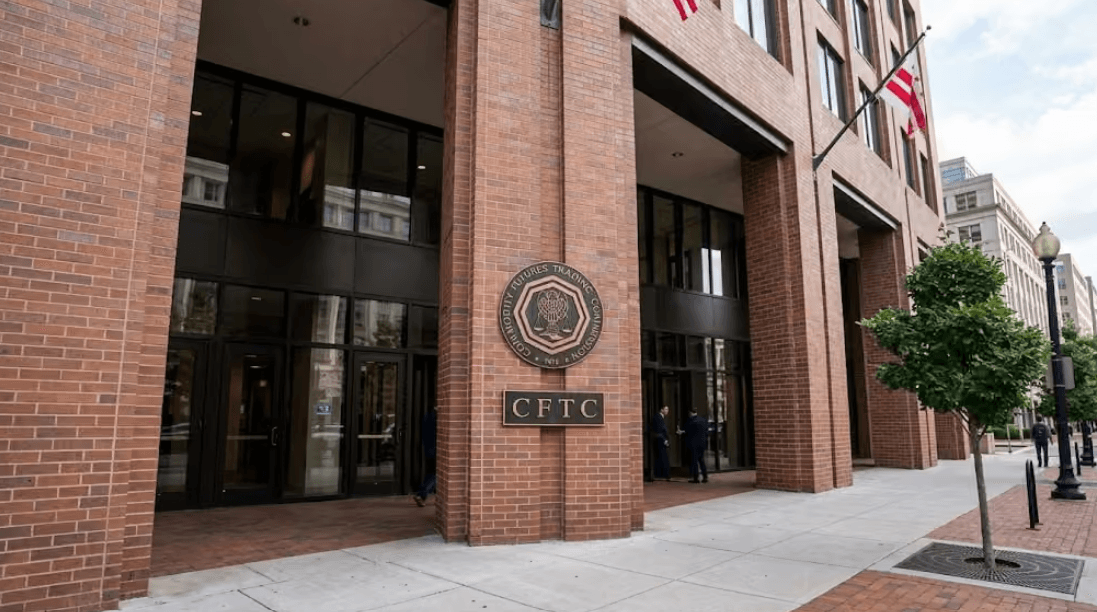
The new legislation states that prediction market platforms registered with the Commodity Futures Trading Commission (CFTC), such as Polymarket and Kalshi, can legally operate in North Carolina.
The law also confirms that the Commodity Exchange Act gives the CFTC “exclusive federal regulatory authority” over prediction markets, positioning these platforms under federal oversight rather than state gambling frameworks.
This approach contrasts with several states seeking to classify prediction markets under local gambling regulations and require additional state licenses. Those efforts have mainly targeted sports-related event contracts, with regulators arguing that some of these products fall under existing gaming laws.
The regulatory debate has intensified as states and prediction market platforms continue to challenge each other in court.
A federal judge recently rejected Kalshi’s request for a preliminary injunction that would have prevented New York regulators from enforcing gambling rules against the platform. Although Kalshi appealed the decision to the Second Circuit, sports law attorney Daniel Wallach said the ruling could create additional challenges for the company in similar disputes with other states.
Beyond regulatory recognition, North Carolina’s legislation introduces a separate tax structure for prediction markets.
Starting January 1, 2027, prediction market platforms will pay a 6% tax on net trading fee revenue generated from North Carolina residents.
This rate is significantly lower than the tax applied to sports betting operators, whose tax on gross wagering revenue increased from 18% to 23%.
The state’s approach differs from other jurisdictions that have proposed stricter financial requirements for prediction markets.
Kentucky, for example, approved legislation requiring prediction market platforms to pay a 14.25% tax on transaction fees, a move that led the CFTC to challenge the state’s framework.
Meanwhile, Illinois integrated prediction markets into its sports betting regulatory system, applying a tiered transaction tax on exchange wagers and requiring platforms to obtain state licenses. Kalshi quickly challenged Illinois’ approach through legal action.
North Carolina’s decision highlights a growing divide in the United States over how prediction markets should be regulated. While some states view these platforms through the lens of traditional gambling oversight, others are moving toward recognizing them as federally regulated financial markets.
The outcome of these regulatory battles could shape the future of prediction markets in the U.S. If more states follow North Carolina’s model, platforms may gain a clearer path to expansion under federal supervision.
However, continued conflicts between state authorities and the CFTC could create a fragmented environment where companies must navigate different rules across jurisdictions. The key challenge will be finding a balance between market innovation, consumer protection, and regulatory clarity.

Disclaimer of Warranty
The information provided in this article is for general informational purposes only. We make no warranties about the completeness, reliability, and accuracy of this information. Read full disclaimer

Editor's Picks

When Assets Move—or Stop—Without Consent: The Limits of Crypto Wallet Control

Walid Abou Zaki

Sep 29, 2026

6 min

Where Do the Dollars Behind the UAE’s Crypto Economy Sit?
Anna K.
Sep 21, 2026
9 min

As U.S. Crypto Legislation Stalls, Circle Launches Its Own Financial Network
Walid Abou Zaki
Sep 16, 2026
9 min
Read More Articles

In the Same Space

UAE FIU and VARA Join Forces to Crack Down on Virtual Asset Crime
News Desk
Oct 5, 2026
3 min
ARK Invest’s $1.3B Fund Heads to Ethereum Through Tokenization
News Desk
Sep 25, 2026
3 min

UK Names Six Banks to Lead First Digital Government Bond
News Desk
Oct 7, 2026
3 min

Coinbase Completes Deribit Integration, Expanding Global Crypto Derivatives Access
News Desk
Oct 7, 2026
3 min