Advertisement
Research & Analysis
Share
According to a new report from digital asset management firm Grayscale Investments, escalating geopolitical tensions in the Middle East and rising oil prices have become key factors shaping investor behavior in the cryptocurrency market.
The report highlighted that the risk of war with Iran, in particular, has prompted markets to adopt a cautious, wait-and-see approach. These developments have overshadowed previously improving macroeconomic forecasts.
The report concluded that "in March, the conflict with Iran nearly eclipsed all other market dynamics", emphasizing the strong influence of geopolitical uncertainty on market sentiment.
Before the outbreak of tensions, global growth had shown signs of recovery, and central banks were widely expected to cut interest rates. However, the sharp surge in oil prices reignited inflation concerns, pushing interest rate expectations higher and increasing pressure on high-risk assets, including cryptocurrencies. This combination of rising energy costs and macroeconomic uncertainty has made the environment particularly challenging for investors.
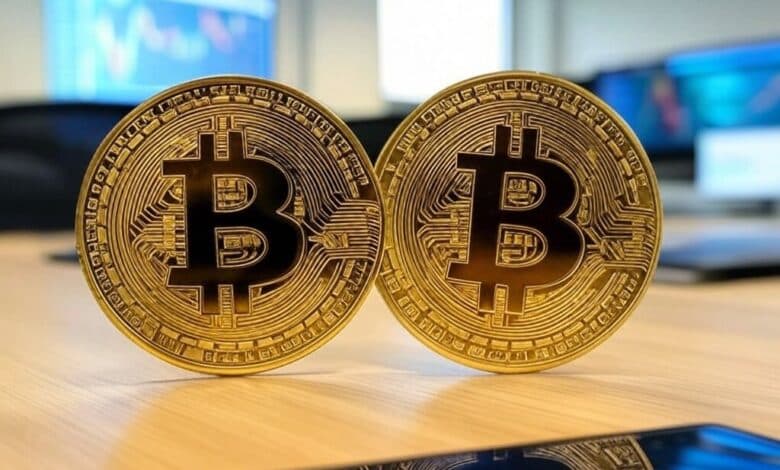
Since the onset of tensions in the Middle East, the cryptocurrency market has experienced significant volatility, although overall price movements have generally remained within a horizontal range. Bitcoin’s price has closely tracked fluctuations in oil prices and shifts in investor risk appetite. Initially, Bitcoin fell to around $60,000 during the first wave of tensions, then rebounded to levels just below $70,000, only to decline again as conflicts persisted and macroeconomic conditions worsened.
At the time of writing, Bitcoin is trading at $67,062. With the recent rally, Bitcoin has lost about 10% of its value compared to its March peak. However, the report noted that digital assets have generally managed to maintain stability and have even outperformed US stocks at times.
The report emphasized that digital assets have demonstrated remarkable resilience despite high volatility. Relative price stability suggests the potential for a more sustainable market bottom to form. At the same time, continued inflows into cryptocurrency spot investment products and renewed activity in futures positions indicate that investor appetite for risk has not disappeared entirely. These dynamics reflect a market that, while cautious, remains engaged and adaptive.
With escalating tensions between Iran, Israel, and the United States, the report highlights that both the cryptocurrency market and oil prices are highly sensitive to geopolitical developments. Any military escalation could trigger a sharp spike in oil prices, intensifying inflation fears and placing additional strain on high-risk assets, including digital currencies.
This scenario could also prompt investors to seek safer havens such as gold or stablecoins, while the Bitcoin market experiences heightened volatility. In this context, geopolitical conflict is a central determinant of short- and medium-term market trends, making it a key factor for both institutional and retail investors to monitor closely.
Grayscale identifies reduced uncertainty as the most critical factor for sustaining a cryptocurrency market recovery. If conflicts ease and energy prices decline, the market could quickly reflect improved macroeconomic conditions and enter a strong recovery phase, with continued robust demand from both institutional and individual investors.
Amid geopolitical tensions and rising oil prices, the cryptocurrency market serves as a live test of the resilience of digital assets to economic and political pressures. This period underscores the importance of investors’ ability to manage risk and adapt rapidly to global changes, while innovation in digital finance continues to play a central role.
Beyond short-term volatility, these developments may drive the creation of new financial instruments, improved transparency, and stronger regulatory practices, ultimately contributing to the long-term maturity and stability of the digital asset market.

Disclaimer of Warranty
The information provided in this article is for general informational purposes only. We make no warranties about the completeness, reliability, and accuracy of this information. Read full disclaimer

Editor's Picks

When Assets Move—or Stop—Without Consent: The Limits of Crypto Wallet Control

Walid Abou Zaki

Sep 29, 2026

6 min

Where Do the Dollars Behind the UAE’s Crypto Economy Sit?
Anna K.
Sep 21, 2026
9 min

As U.S. Crypto Legislation Stalls, Circle Launches Its Own Financial Network
Walid Abou Zaki
Sep 16, 2026
9 min
Read More Articles

In the Same Space
Why Did MetaMask Make a Sudden Retreat From Ethereum Validators?
News Desk
Oct 1, 2026
3 min
Citi Raises 12-Month Bitcoin Target to $113,000 as Institutional ETF Demand Returns
News Desk
Oct 1, 2026
4 min
ESMA Proposes New DeFi Gateway Rules Under MiCA Review
News Desk
Oct 1, 2026
4 min

Swiss National Bank Warns of Stablecoin Risks to Monetary Policy and Interest Rates
News Desk
Oct 1, 2026
3 min