Advertisement
Regulation & Policy
Share
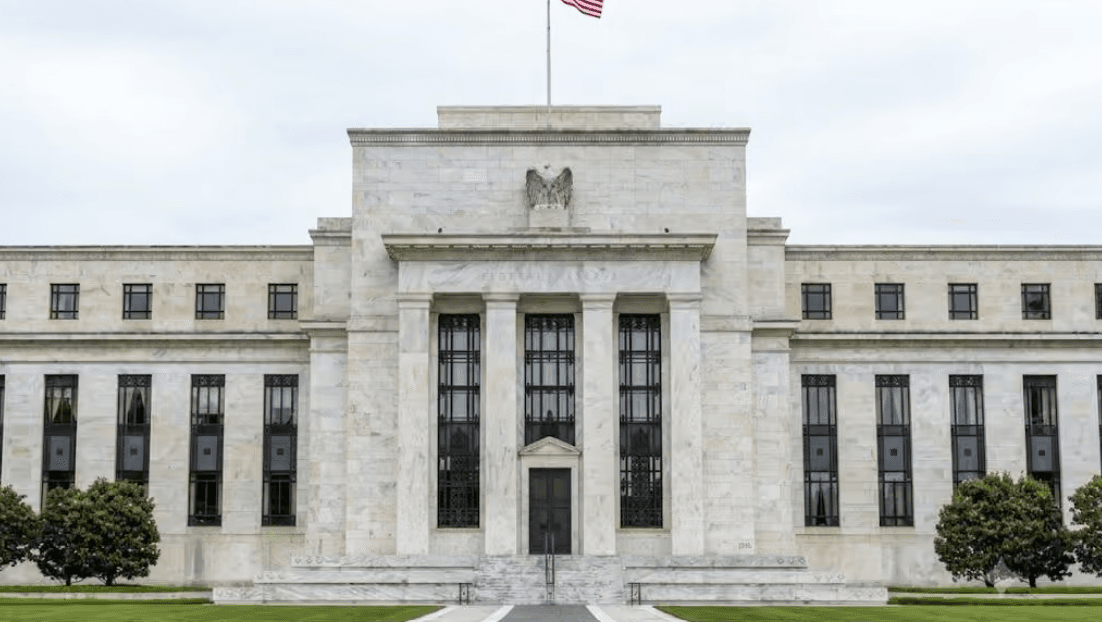
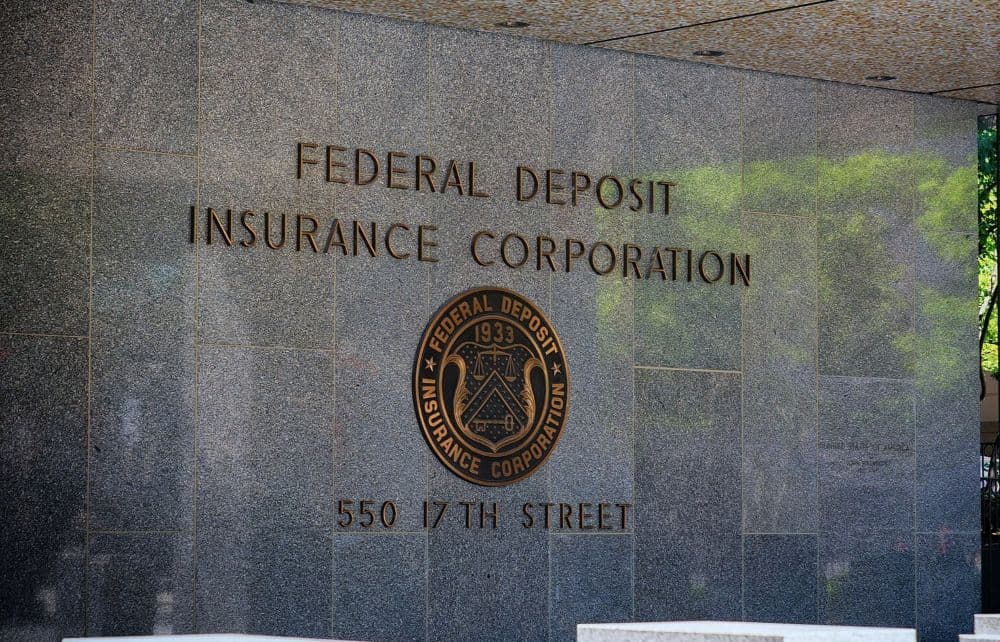
The Federal Deposit Insurance Corporation (FDIC) has proposed a rule to establish standards for payment stablecoin issuers under the GENIUS Act, advancing the implementation of the United States’ new federal stablecoin framework and opening a 60-day public comment period.
Approved by the FDIC board on Tuesday, the proposal would set reserve, risk management, and operational requirements for permitted payment stablecoin issuers. It also seeks to clarify how deposit insurance applies to deposits held as reserve assets, while reiterating that payment stablecoins themselves are not federally insured.
The move adds another layer to the U.S. government’s post-GENIUS Act stablecoin rollout, as federal agencies begin translating the law into detailed supervisory rules that will shape how stablecoin issuance functions across banks and regulated nonbanks.
The 191-page proposed rule would apply to “permitted payment stablecoin issuers,” a category defined under the GENIUS Act as issuers that are either subsidiaries of insured depository institutions or otherwise authorized by federal or state regulators to issue stablecoins.
Under the proposal, those issuers would be required to comply with reserve and risk management standards aligned with the law’s prudential framework. FDIC officials said the rule is also intended to clarify the treatment of deposits used as reserve assets.
During Tuesday’s meeting, FDIC counsel Chantal Hernandez said the proposal would help clarify deposit insurance coverage for deposits that serve as reserve assets. However, agency officials also emphasized that, consistent with the GENIUS Act, payment stablecoins are not backed by the full faith and credit of the United States and are not themselves subject to federal deposit insurance.
The FDIC’s proposal follows the enactment of the GENIUS Act, which created a federal framework for stablecoins by requiring them to be fully backed by U.S. dollars or similarly liquid assets, mandating annual audits for issuers with a market capitalization above $50 billion, and setting parameters for foreign issuance.
Since the law was signed last year by President Donald Trump, other federal regulators have also begun issuing related rules. The Office of the Comptroller of the Currency has already released its own stablecoin rule set, while the U.S. Treasury Department last week issued a notice of proposed rulemaking focused on state-level oversight of smaller stablecoin issuers.
Together, these actions suggest the U.S. is entering the implementation phase of stablecoin regulation, where the statutory framework is being translated into agency-level requirements that will determine how issuance, supervision, and reserve treatment operate in practice.
One of the more important clarifications in the FDIC proposal is the distinction between reserve asset deposits and the stablecoins themselves.
While certain deposits held as reserve assets may qualify for deposit insurance treatment depending on how they are structured, the FDIC stressed that payment stablecoins are not insured products. That distinction is likely to be central for banks, subsidiaries, and nonbank issuers as they design compliant stablecoin structures under the GENIUS framework.
It also reinforces a core policy boundary in the new U.S. regime: stablecoins may operate within regulated financial infrastructure, but they are not equivalent to insured bank deposits.
In prepared remarks, FDIC Chair Travis Hill said recent developments have increased the need for regulatory clarity as both banks and nonbanks expand activity around stablecoins and tokenized deposits.
Hill pointed to what he described as a rapid shift in the federal government’s posture toward digital assets, the enactment of the GENIUS Act, and continued technological development across traditional financial institutions and crypto-native firms.
His comments reflect a broader policy trend now shaping U.S. oversight: regulators are no longer debating whether stablecoins should be addressed, but how they should be integrated into existing financial and supervisory frameworks.
The FDIC has opened the proposal for public comment, with responses due within 60 days.
For the market, the comment period will be an early test of how banks, crypto firms, payments players, and legal stakeholders respond to the agency’s interpretation of reserve standards, risk controls, and the relationship between stablecoin issuance and insured banking structures.

Disclaimer of Warranty
The information provided in this article is for general informational purposes only. We make no warranties about the completeness, reliability, and accuracy of this information. Read full disclaimer

Editor's Picks

When Assets Move—or Stop—Without Consent: The Limits of Crypto Wallet Control

Walid Abou Zaki

Sep 29, 2026

6 min

Where Do the Dollars Behind the UAE’s Crypto Economy Sit?
Anna K.
Sep 21, 2026
9 min

As U.S. Crypto Legislation Stalls, Circle Launches Its Own Financial Network
Walid Abou Zaki
Sep 16, 2026
9 min
Read More Articles

In the Same Space

UAE FIU and VARA Join Forces to Crack Down on Virtual Asset Crime
News Desk
Oct 5, 2026
3 min

ESMA Proposes New DeFi Gateway Rules Under MiCA Review
News Desk
Oct 1, 2026
4 min

Swiss National Bank Warns of Stablecoin Risks to Monetary Policy and Interest Rates
News Desk
Oct 1, 2026
3 min
CFTC Chair Calls for ‘Mass Tokenization’ of Financial Markets
News Desk
Sep 23, 2026
4 min