
Advertisement
Policy & Industry
Share
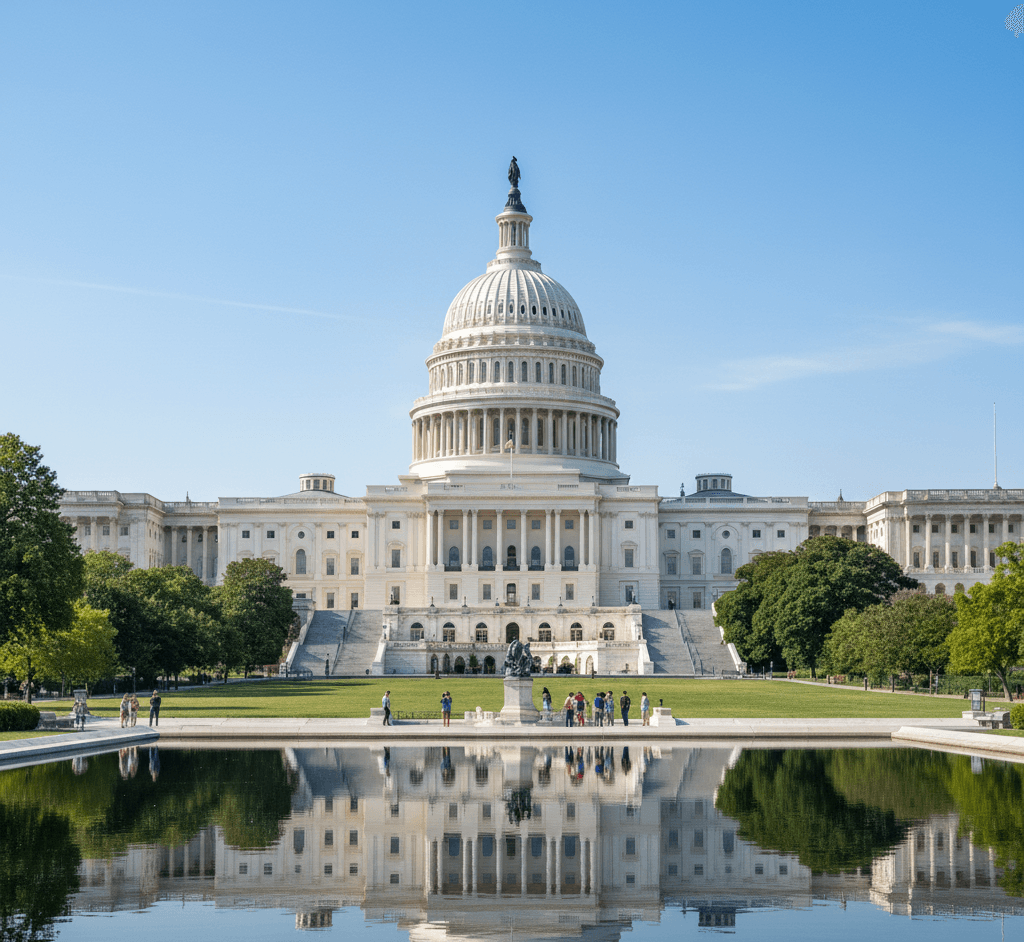
The U.S. Senate’s latest draft of the Digital Asset Market Clarity Act has entered a decisive phase, with lawmakers preparing for a committee markup while political tensions intensify over ethics provisions, stablecoin rules, and the broader structure of crypto regulation.
The bill, designed to establish a comprehensive federal framework for digital assets, has drawn renewed scrutiny from Sen. Elizabeth Warren (D-Mass.), who warned that the revised text could deepen conflicts of interest linked to President Donald Trump’s family-related crypto ventures.
Warren, the Ranking Member of the Senate Banking Committee, argued that the updated proposal lacks sufficient safeguards to prevent political figures and their families from benefiting from digital asset markets. She said the legislation risks “turbocharging” conflicts of interest and called for stronger ethics provisions before the bill advances.
Warren’s criticism comes as the Senate Banking Committee prepares for a markup session on the legislation, scheduled for Thursday, following the release of an updated draft that reportedly reflects a compromise on stablecoin yield provisions.
She maintained that the bill still falls short on ethics safeguards, arguing that no crypto market structure framework should advance without stronger restrictions on political conflicts of interest.
Her position highlights one of the central political fault lines shaping the legislation: whether ethics restrictions should be tightly embedded in the bill or treated as separate policy concerns.
While Warren raised objections, other stakeholders in the crypto industry signaled cautious support for the revised text.
Coinbase Chief Policy Officer Faryar Shirzad described the draft as a “strong compromise,” suggesting the updated framework could help move the bill forward after months of negotiations.
Senate Banking Committee Chair Tim Scott (R-S.C.) also defended the legislation, saying it would provide “certainty, safeguards, and accountability” while maintaining U.S. leadership in digital asset innovation.
Despite this support, bipartisan agreement remains fragile as key provisions continue to divide lawmakers.
Senate Releases Clarity Act Draft Separating Stablecoins From Bank-Like Deposit Products
4 minAhead of the markup, committee members have filed more than 100 amendments to the legislation, underscoring how contested the bill has become.
The high amendment volume reflects ongoing efforts to reshape core elements of the framework rather than minor technical adjustments. It signals that the bill has entered a phase of active negotiation between competing regulatory and political priorities.
The most disputed areas include stablecoin yield treatment, liability rules for decentralized finance protocols, classification of digital asset mixers, and developer safe harbor protections under the Blockchain Regulatory Certainty Act provisions embedded in the broader structure.
Ethics amendments have emerged as a central divide. Several Democratic lawmakers, including Warren and others, are pushing for restrictions on public officials and their families profiting from crypto-related ventures, while some Republican lawmakers argue such provisions could jeopardize bipartisan support.
A separate technical but high-impact dispute centers on stablecoin yield language. Analysts note that a single-word distinction in the bill could determine whether yield-bearing stablecoin products are permitted or effectively excluded from the regulatory framework, with significant implications for market participants.
The Clarity Act establishes a jurisdictional split in oversight, granting the Commodity Futures Trading Commission authority over spot and cash markets for digital commodities on decentralized networks, while the Securities and Exchange Commission retains jurisdiction over investment contracts and fundraising activity.
This regulatory architecture remains central to the bill but continues to face pressure through amendments that could reshape its scope and enforcement boundaries.
If the Senate Banking Committee advances the bill with a narrowed ethics compromise, it would move to the Agriculture Committee before reaching a potential floor vote.
However, failure to reconcile ethics provisions could split the bill along party lines and complicate efforts to secure the 60 votes required for passage in the Senate.
While the House previously passed the legislation with bipartisan support, Senate dynamics remain more complex, with the amendment process now serving as the primary arena for shaping the final outcome.
The upcoming markup is expected to provide the first clear indication of whether the Clarity Act can maintain bipartisan momentum or become stalled amid unresolved political and regulatory divisions shaping U.S. crypto policy.

Disclaimer of Warranty
The information provided in this article is for general informational purposes only. We make no warranties about the completeness, reliability, and accuracy of this information. Read full disclaimer

Editor's Picks
In the Same Space

Bitcoin ETFs Lose $288.7M in Fresh Wave of Investor Selling

News Desk

Sep 16, 2026

2 min

Stablecoin Yield Fight Helps Derail CLARITY Act in Senate
Walid Abou Zaki
Sep 15, 2026
8 min

Kraken Parent Payward Plans Onchain Perpetuals on Hyperliquid for U.S. Clients
News Desk
Sep 17, 2026
4 min

ECB Pontes: Central Bank Money vs. Stablecoin Settlement
News Desk
Sep 22, 2026
4 min