Advertisement
Stablecoins & Payments
Share
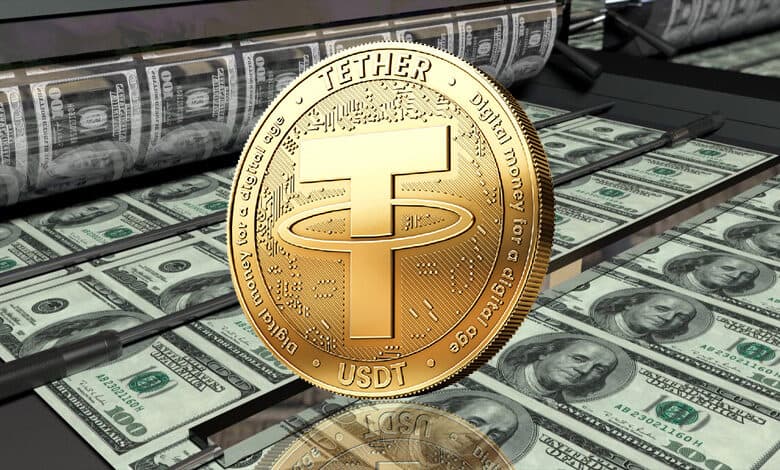
Following a significant security breach linked to a North Korean group, Drift Protocol is preparing for a major relaunch, this time adopting Tether’s USDT as its primary settlement layer. The move comes after the platform secured a proposed funding package worth up to $147.5 million from Tether and a group of partners, according to an announcement made on Thursday.
The financial backing includes up to $127.5 million from Tether, alongside an additional $20 million contributed by other partners. This capital injection is designed to assist in compensating affected users after the April 1 exploit, while also enabling the platform to resume operations.
As part of its restructuring, Drift will transition from using Circle’s USDC to USDT as its core settlement asset. The platform is also set to relaunch as a USDT-based decentralized perpetual futures exchange built on the Solana network.
The proposed rescue plan introduces a multi-layered financial structure that combines a revenue-linked credit facility, ecosystem grants, and loans provided to market makers. A share of future trading revenues, along with the committed capital, will be allocated to a dedicated recovery pool.
This pool is intended to gradually compensate users for losses estimated at around $295 million. Rather than immediate reimbursement, the structure suggests a phased recovery approach tied to the platform’s future performance and liquidity.
The funding initiative follows a sophisticated infiltration that reportedly lasted nearly six months. The attackers, believed to be linked to North Korea, posed as a quantitative trading firm before executing the exploit on April 1, resulting in losses exceeding $270 million.
In the aftermath, Drift’s native governance token, DRIFT, experienced a sharp decline, losing approximately 70% of its value. The incident significantly impacted user confidence and highlighted vulnerabilities within the platform’s operational and security frameworks.
Circle, the issuer of USDC, faced criticism from parts of the crypto community for its handling of the incident. After the exploit, the attacker reportedly transferred around $232 million in USDC from Solana to Ethereum using Circle’s cross-chain infrastructure.
Critics, including blockchain investigator ZachXBT, argued that Circle could have acted more quickly to freeze the funds or blacklist associated wallets, potentially slowing or limiting the attacker’s ability to move assets.
In response, Circle maintained that it did not intervene due to legal constraints. CEO Jeremy Allaire later clarified that the company freezes wallets only when instructed by law enforcement or judicial authorities, rather than acting independently during active exploits.
This stance reflects Circle’s broader strategy of aligning closely with regulatory frameworks and institutional standards. In contrast, Tether has demonstrated a more flexible approach, having previously frozen funds linked to illicit activities or hacks more proactively.
Despite the setback, Drift remains a major player within the Solana ecosystem. Established in 2021, the platform has grown into the largest decentralized perpetual futures exchange on the network, serving over 175,000 users and facilitating approximately $150 billion in cumulative trading volume.
Its product suite includes perpetual futures, spot trading, lending and borrowing services, as well as cross-margin trading capabilities, making it a comprehensive DeFi platform.
The developments surrounding Drift come amid increasing competition within the stablecoin sector. Exchanges, fintech firms, and traditional financial institutions are all competing to control critical infrastructure layers such as liquidity, user onboarding, and transaction settlement.
While USDT continues to dominate the market with a significantly larger supply, USDC has been steadily gaining ground, supported by its regulatory alignment and growing adoption among institutional players. In recent months, USDC has even surpassed USDT in transaction volume as its market share expanded.
As part of the new funding agreement, Tether plans to support Drift’s relaunch by introducing fee reductions and user incentives tied to the platform’s transition to USDT. Additionally, liquidity support will be extended to selected market makers to ensure sufficient trading depth once operations resume.
Drift Protocol indicated that the shift to USDT will place the stablecoin at the center of its trading infrastructure moving forward. At the same time, the funding package provides a structured pathway to restore user funds and rebuild trust in the platform.
Overall, the relaunch represents both a recovery effort and a strategic pivot, positioning Drift to re-enter the market with a revised operational model and strengthened financial backing.

Disclaimer of Warranty
The information provided in this article is for general informational purposes only. We make no warranties about the completeness, reliability, and accuracy of this information. Read full disclaimer

Editor's Picks
In the Same Space

UAE and Morocco Deepen Financial Ties With Payment and CBDC Agreements

News Desk

Oct 9, 2026

5 min

DIFC Courts Introduce Blockchain Credentials for Global Document Verification
News Desk
Oct 14, 2026
4 min

France Considers Taxing Crypto-to-Stablecoin Swaps Under 2027 Budget
News Desk
Oct 14, 2026
4 min

Standard Chartered Extends Crypto Trading to UAE Wealth Clients
News Desk
Oct 14, 2026
3 min