Advertisement
DeFi Infrastructure
Share

3I
Content Writer


Decentralized Finance (DeFi) is seen by many as the future of finance. Whether you’re new to crypto or you’ve dabbled in it, chances are you may have heard the term before. It’s one of the key buzzwords that goes alongside another popular buzzword in the mainstream media: Web 3.0.
DeFi is just one key cog in the wheel that makes up the Web 3.0 movement. Non-Fungible Tokens (NFTs) and the metaverse are the two other key aspects of the movement. All three work together to allow you to be the creator, the steward, and the beneficiary of everything you do online to generate monetary value and data.
What does DeFi really mean? Is it a good investment? How could the average person access DeFi if it’s not run by a bank? And what is the difference between cryptocurrency and DeFi?
The answers to those questions are simpler than you might think. Let’s break down DeFi in ways anyone can understand.
The term DeFi is short for decentralized finance. The broader concept of decentralized finance is centred around the idea that blockchain technology and decentralization make it possible to remove the intermediaries that are typically connected to traditional financial services, empowering the individual user to take advantage of those services while cutting out the intermediaries.
Imagine what it would be like if you could apply for a loan without talking to a banker? DeFi will allow you to do that. Imagine for a moment that- thanks to DeFi- not only can you do away with the banker in this scenario, you could also be the lender and get rewarded for helping someone else with financing.
No need to know who that other person is and no need to worry about the likelihood of getting your money returned to you with interest on top. DeFi will do that too.
The key services DeFi offers the world fit into four categories: borrowing, lending, liquidity pools, and staking. All of these services are managed using decentralized blockchains, crypto wallets, and smart contracts that define the rules of engagement. No central authority required.
Since DeFi cuts out the middleman, the extra capital that would normally go towards paying these middlemen goes to the end users. That’s one reason DeFi could be viewed as a good investment. Another is that as crypto adoption accelerates, more and more traditional financial institutions are going to have to compete with the savings and returns that DeFi can offer. That’s why some crypto exchanges are becoming chartered banks. They know they can compete with traditional banks.
To complete the merging of traditional financial services in DeFi might take a long time, but DeFi’s democratic ethos is another reason the sector might warrant investing in.
It’s estimated that more than 2 billion people in the world don’t have a bank account, which means they don’t have access to traditional financial services. Blockchain could enable those people to participate in the global economy too. More participants in the global economy means more liquidity, more competition, and more options for everyone.
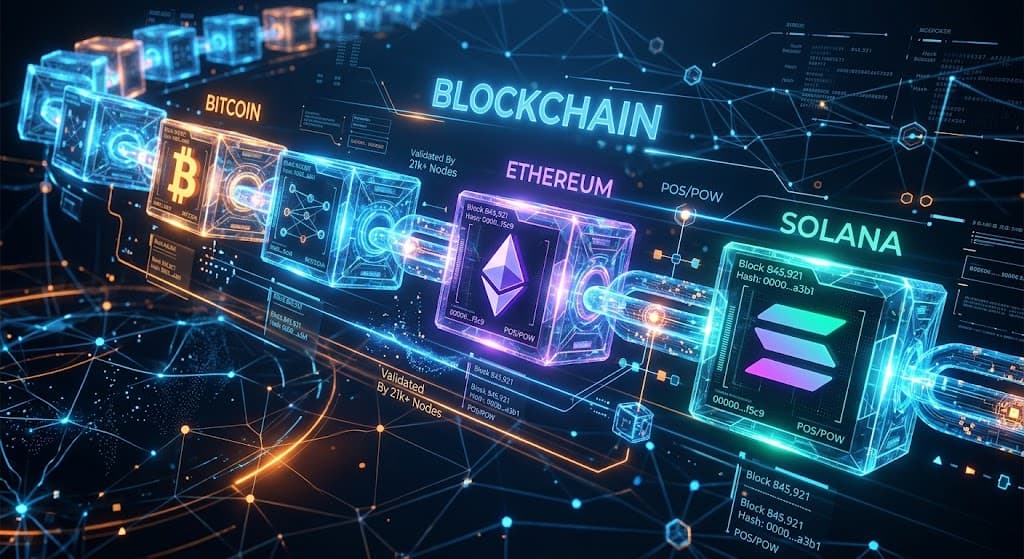
It’s estimated that nearly 40% of all of the capital in crypto is invested only in Bitcoin, and an additional 18.4% is invested only in Ethereum. Most DeFi protocols today use the Ethereum blockchain.
Using Ethereum tokens and a crypto wallet makes it possible to send crypto to any number of DeFi protocols. Two of the most popular websites that track crypto price movements moment by moment include CoinMarketCap.com and CoinGecko.com.
Both allow you to filter through tokens and narrow down filters using labels, one of which is DeFi. That’s the best way to filter out all the other noise in crypto and focus your attention specifically on DeFi projects.
DeFi provides a service. Cryptocurrency is the value capture mechanism for a given service or purpose.
You can have a cryptocurrency without DeFi, but you can’t have DeFi without a cryptocurrency.
DeFi is a broader concept alluding to the idea of taking traditional financial services away from intermediaries and using blockchains and smart contracts to facilitate financial services transactions instead. Cryptocurrency refers to digital assets secured by cryptography that act as a medium of exchange. In the case of DeFi, cryptocurrencies are the medium of exchange that transfers value across the protocol including to the users.
Cryptocurrencies are what a user invests in a DeFi protocol. DeFi by itself is a blanket term that represents an entire sector of the crypto world. Investing money in DeFi means engaging in lending, borrowing, staking, and providing liquidity to users by offering up your cryptocurrency as value.
Without question, both DeFi protocols and cryptocurrencies will likely play a big role in disrupting the world of traditional finance.
Now that you have a bit of a break down that distinguishes the differences between both, you could experience a whole new financial world that’s here to stay.

Disclaimer of Warranty
The information provided in this article is for general informational purposes only. We make no warranties about the completeness, reliability, and accuracy of this information. Read full disclaimer
Related Articles

Editor's Picks
In the Same Space
South Korea Plans Forex Law Change to Cover Stablecoins

News Desk

Oct 23, 2026

3 min

a16z Drops Crypto Label as Fund Expands Into Frontier Tech
News Desk
Oct 23, 2026
5 min

SoFi Bridges Bank Deposits and Onchain Finance With New Tokenized Dollar
News Desk
Oct 23, 2026
4 min

J.P. Morgan Brings Tokenized Money Market Funds to Solana
News Desk
Oct 23, 2026
3 min