Advertisement
Interviews
Share
WA
CEO & Editor-in-Chief


In a market where hype often eclipses substance, Taurus has taken a quieter approach — methodically building one of the world’s most trusted infrastructures for digital assets. The Swiss-headquartered firm, regulated by FINMA, powers the digital asset operations of global financial institutions including Deutsche Bank, Santander, State Street, and in the UAE, Zand Bank.
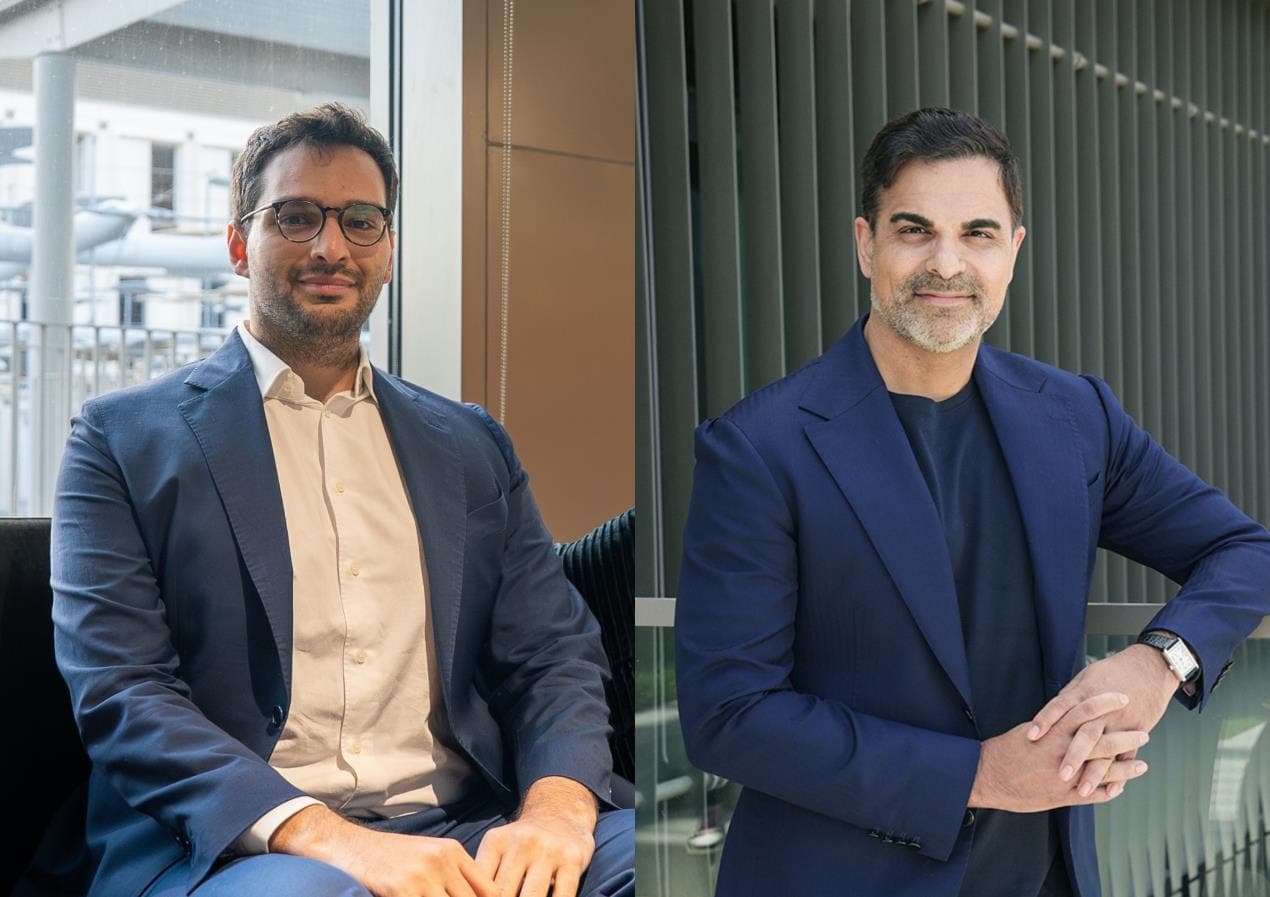
On November 2023, Taurus announced the opening of its Dubai office at the Dubai International Financial Centre (DIFC) — a move that signaled its intent to serve a region rapidly advancing toward regulated digital finance. Leading this expansion is Bashir Kazour, Managing Director of Taurus Middle East, who is spearheading the company’s plan to build a long-term institutional presence in the region.
In an interview with Unlock Blockchain, Kazour explained how Taurus positions itself not as a crypto startup but as a technology infrastructure partner for banks and regulated financial institutions. “We provide our technology as a backbone to enable financial institutions that want to enter the digital asset space, whether from a custody or tokenization perspective,” he said.
Taurus’ architecture reflects the discipline of traditional finance but with Web3 capability at its core. Its flagship products — Taurus Protect for custody and Taurus Capital for tokenization — are built on Hardware Security Module (HSM) infrastructure rather than the more common multi-party computation (MPC) model.
“Our custody platform allows financial institutions to maintain full control and sovereignty over their private keys,” said Bashir. “It integrates advanced compliance and governance features to securely store both their own and their clients’ assets.”
He added that Taurus Capital, the firm’s tokenization module, integrates natively with its custody system. This allows clients to issue and hold any type of digital asset — from cryptocurrencies and stablecoins to tokenized securities, sukuks, or real estate — within one interoperable ecosystem. “We’re asset-agnostic and smart contract-agnostic, supporting both public and private blockchains, EVM and non-EVM,” he said.
For Bashir Kazour, the UAE’s combination of regulatory clarity and innovation made DIFC an obvious choice. “We’re a tech company that sells natively to financial institutions,” he said. “So being close to clients in a jurisdiction that combines innovation with regulatory maturity made DIFC the right fit.”
Among Taurus’ regional clients is Zand Bank, the UAE’s first fully digital bank licensed by the Central Bank. The collaboration began in December 2023, with Zand going live on both custody and tokenization by early 2024.
While Kazour declined to comment directly on Zand’s next steps, he confirmed that Taurus delivered specific blockchain integrations for the bank within tight timelines. When Unlock Blockchain asked about the market’s expectations surrounding Zand’s rumored dirham-backed stablecoin, Kazour noted that “from a technology perspective, the process of tokenizing a stablecoin is no different from tokenizing any other asset.”
This shift toward bank-issued stablecoins reflects a global discussion on how tokenized deposits and digital money could reshape the banking system. A recent European Central Bank report, ‘Stablecoins in the Banking System: What Fate for Bank Deposits?’, explores these implications in depth. Read the report here.
Taurus is also following the UAE’s progress in real estate tokenization, particularly the pilot projects launched by the Dubai Land Department (DLD). “It’s very encouraging — not just for the market, but for other regulators and developers to follow,” said Bashir Kazour.
He explained that several real estate developers have approached Taurus about tokenizing projects, although many are awaiting clarity on secondary-market frameworks and pre-construction asset rules. “What DLD has done is significant for the region,” he said. “It gives confidence to institutions and sets the stage for more regulated tokenization activity in the near future.”
Asked what headline he hopes to see written about Taurus in 2026, Bashir Kazour reflected on the company’s role in shaping the region’s digital asset infrastructure. “Hopefully, by then you’ll see more institutions — not just in the UAE but across the region — issuing tokenized assets and stablecoins using our technology,” he said. “We’re working day and night to help our clients meet their deadlines and bring these projects to life.”
As the digital asset landscape evolves, Taurus’ quiet but deliberate expansion from Switzerland to the DIFC underscores a broader trend: the convergence of traditional financial institutions and Web3 infrastructure, built on compliance, security, and trust.

Disclaimer of Warranty
The information provided in this article is for general informational purposes only. We make no warranties about the completeness, reliability, and accuracy of this information. Read full disclaimer

Editor's Picks
Why Zondacrypto’s Collapse Would Unfold Differently in the UAE

Walid Abou Zaki

Aug 28, 2026

8 min

The Missing Orchestration Layer Holding Back Institutional Digital Assets
Julian Sawyer
Aug 18, 2026
5 min
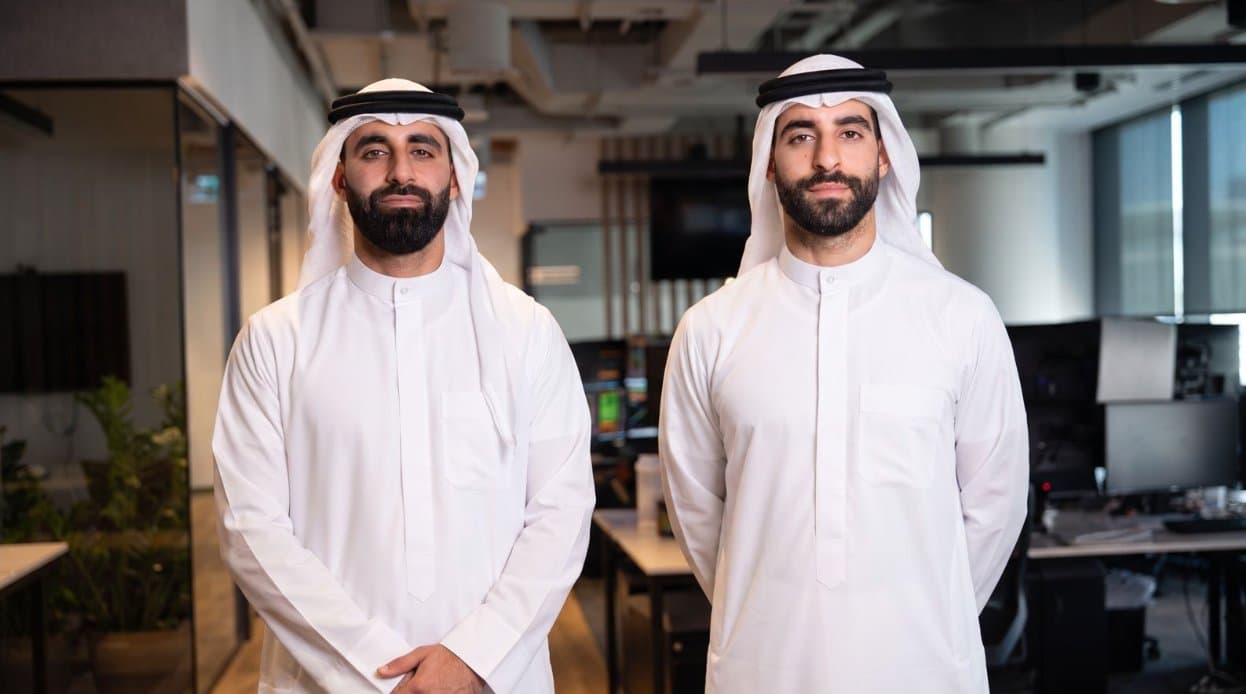
Beyond Crypto Access: How ARP Digital Is Building the UAE’s Digital Capital Infrastructure
Anna K.
Aug 17, 2026
8 min
Read More Articles

In the Same Space
Standard Chartered Brings Institutional Bitcoin, Ether Trading to UAE
Salma Naueihed
Sep 3, 2026
4 min
Singapore’s Monetary Authority Proposes Full Reserve Backing, Stablecoin Yield Ban
News Desk
Sep 2, 2026
4 min

Crypto Wealth Is Growing, but Traditional Wealth Infrastructure Is Not Ready
News Desk
Sep 10, 2026
4 min
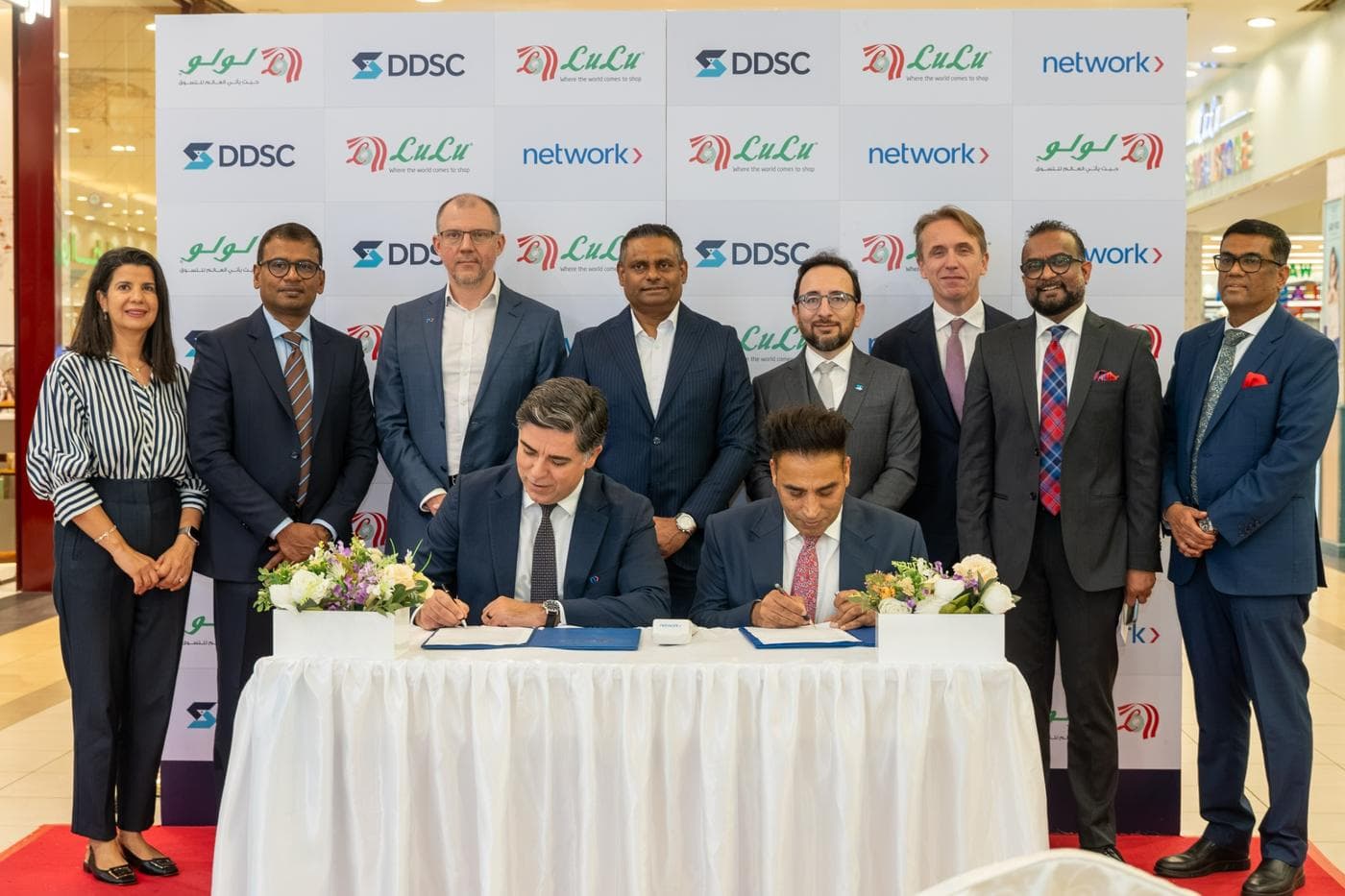
DDSC and Network International Launch UAE’s First In-Store AED Stablecoin Pilot
News Desk
Sep 9, 2026
2 min