VARA’s “What Went Wrong” Series: A Regulatory Approach Focused on Transparency

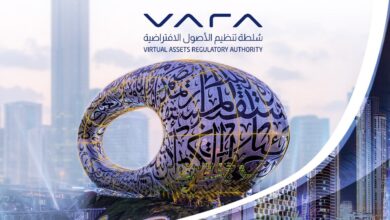
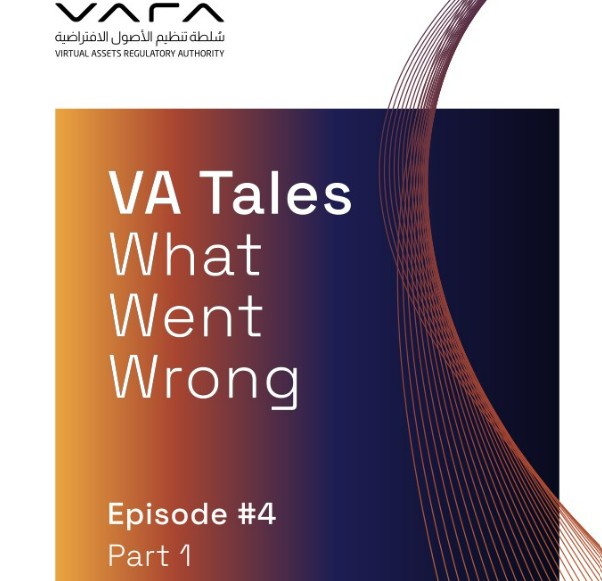
With the rapid expansion of digital asset use, the dual challenge of fast growth and the need to strengthen cybersecurity and corporate governance is becoming increasingly evident. In a global landscape where the digital asset sector has often been exposed only to dry or cautionary regulatory language, Dubai has chosen a different path. The Virtual Assets Regulatory Authority (VARA) has released a short video series titled “VA Tales: What Went Wrong” on LinkedIn.
At first glance, the series seems like a collection of simple stories highlighting common mistakes in the world of virtual assets. However, at its core, it reflects a different regulatory approach—one that relies on storytelling rather than warnings, and explanation rather than threats. Each episode presents a hypothetical scenario inspired by real-world risks and then explains how regulatory frameworks can address such situations, without naming companies or implying punitive measures.
A New Approach to Building Digital Maturity
The significance of this step lies not in the content of the stories themselves, but in the implicit message they convey. Instead of merely issuing circulars or publishing legal regulations accessible only to specialists, VARA aims to simplify regulatory thinking and translate it into language that is understandable and relevant to the market. This approach reflects a conviction that regulation is not just a deterrent tool, but a means of building shared understanding between the regulator and ecosystem participants. Unlike most traditional regulators who respond only after crises occur, this series comes at a different stage, highlighting potential weaknesses while the market is still developing—ensuring the message is explanatory rather than alarmist.
The series also maintains a calm and balanced tone, avoiding a focus on losses or dramatic language meant to incite anxiety. This reflects the understanding that trust in the sector is built through transparency and continuous communication, not fear-mongering—a crucial factor in an environment still grappling with the effects of previous global crises. While primarily aimed at the general public, the series also impacts virtual asset service providers, companies undergoing licensing procedures, and even international bodies monitoring Dubai’s regulatory experience. It underscores that regulation in the city is not merely about setting rules, but about managing and guiding relationships with the market. At the same time, the series doesn’t attempt to address all the sector’s complexities or systemic risks but focuses on fundamentals such as behavior, understanding, and adherence to regulatory frameworks—reflecting a clear grasp of roles and responsibilities.
Ultimately, the “What Went Wrong” series reveals a less sensational but more significant aspect of VARA’s approach: a regulator that doesn’t wait for failure to explain itself, nor relies on scare tactics to assert its presence. Instead, it seeks to build gradual understanding of how the system works, a different approach, arguably more aligned with the digital maturity Dubai aims to establish.
A Warning: Security First in the World of Digital Assets
In the world of digital assets, any theoretical business model may face significant challenges when companies rapidly expand their customer base and launch new products and services at a pace that outstrips their internal teams’ capacity. This rapid growth, while crucial for global expansion, can expose potential gaps in IT infrastructure, as systems may struggle to keep pace with evolving transaction volumes and operational complexity.
In such scenarios, strengthening internal controls and security systems becomes paramount to ensure they can handle the expected scale of activity. As a cautionary note, fundamental vulnerabilities may exist in monitoring and access control systems, while emergency response plans may remain only on paper without practical testing, creating a false sense of security. This model highlights that any delay in identifying or addressing weaknesses can lead to significant financial and reputational repercussions, especially in regulatory environments where impact assessments and controls must be reviewed immediately according to global best practices.
From this perspective, the vital role of corporate governance in digital asset companies becomes clear—not only in technology development but in integrating it with clear risk management policies. These include continuous system updates, regular penetration testing, and ensuring the practicality of emergency response plans. This theoretical model illustrates that security must come before the speed of expansion and innovation, and that companies’ ability to build secure and efficient digital infrastructure while adhering to global best practices is fundamental to maintaining customer trust and operational sustainability in a rapidly evolving digital environment.
VARA: Building an “Environment of Trust” as a Cornerstone of Digital Leadership
Dubai’s leadership in the digital asset sector cannot be discussed without acknowledging the fundamental impact of the Virtual Asset Regulatory Authority (VARA). What is being achieved today transcends traditional regulation, involving the creation of an integrated environment of trust based on precise frameworks for risk management and investor protection. This vision has successfully transformed Dubai into a global investment hub by establishing clear governance and cybersecurity rules aligned with the highest international standards, while simultaneously balancing innovation with financial stability.
The most distinctive aspect of VARA’s approach is its philosophy of education and sharing lessons from real-world experiences. This path reflects a high level of regulatory maturity that goes beyond mere oversight, extending to the development of a conscious corporate culture within the sector. Thanks to this proactive approach, Dubai now boasts one of the most attractive and transparent regulatory environments, protecting the market while providing essential foundations for growth and innovation, and demonstrating credibility to the global investment community.
In conclusion, the digital sector’s experience with VARA shows that leadership in the future economy is not achieved merely by adopting the latest technologies, but through the robustness of systems that protect them. The lessons highlighted in the “Virtual Asset Tales” series are not a warning to a specific company but a new code of conduct for all sector stakeholders. They emphasize that security is not optional but the true engine of growth. In the world of digital assets, trust is the most valuable currency, requiring technological vigilance and governance that transcend paper compliance to become a sustainable corporate culture.