Inside the First Wave of UAE Stablecoins: What the Market Is Really Learning
Insights from a closed-door roundtable on payments, tokenization, and digital money in the UAE

The UAE’s move into regulated stablecoins has progressed faster than many global markets, but speed alone does not guarantee clarity. Over the past year, the country has gone from announcing a formal payment token framework to witnessing the launch of its first AED-backed stablecoins, with additional bank-led initiatives and offshore stablecoins already lining up behind them. In parallel, tokenization projects across real estate, trade finance, commodities, and funds have accelerated, often assuming the presence of on-chain money as a settlement layer.
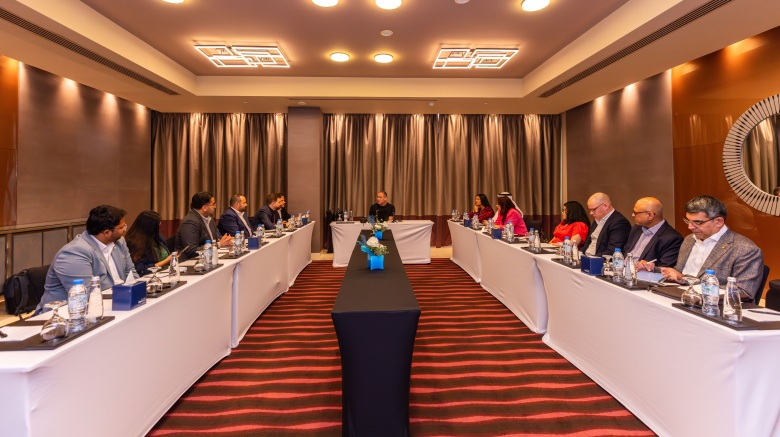
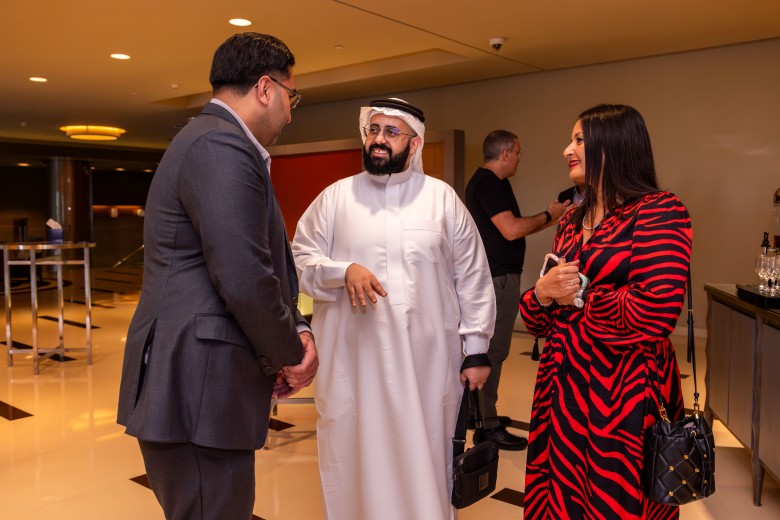
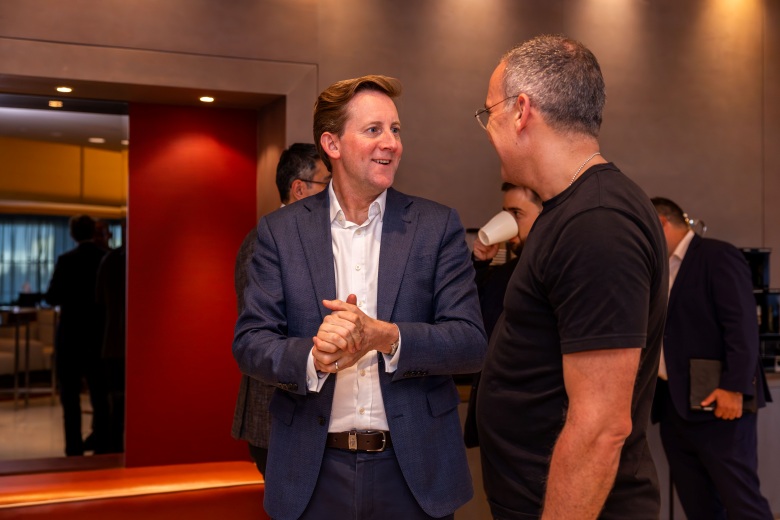
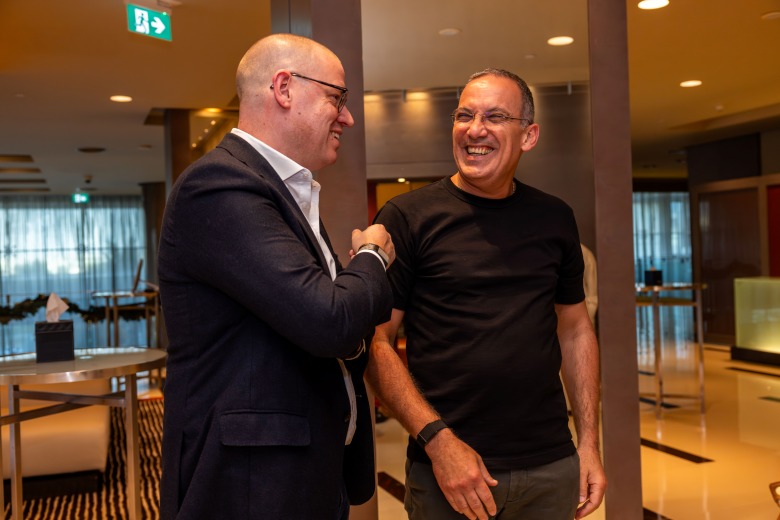
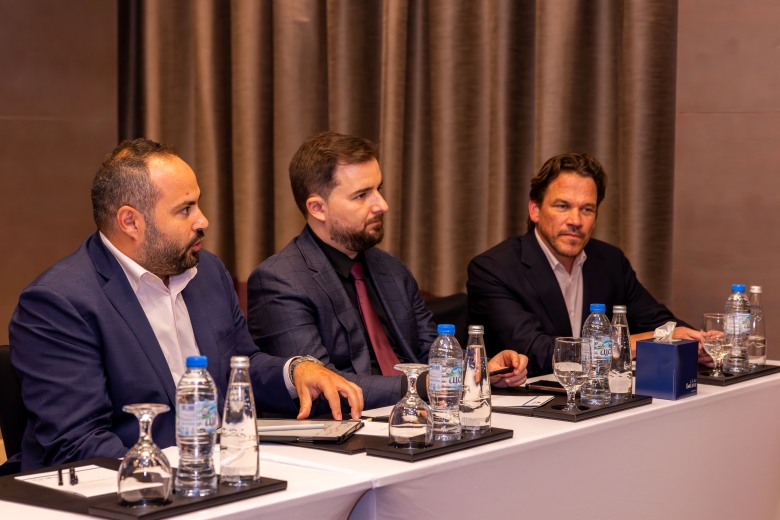
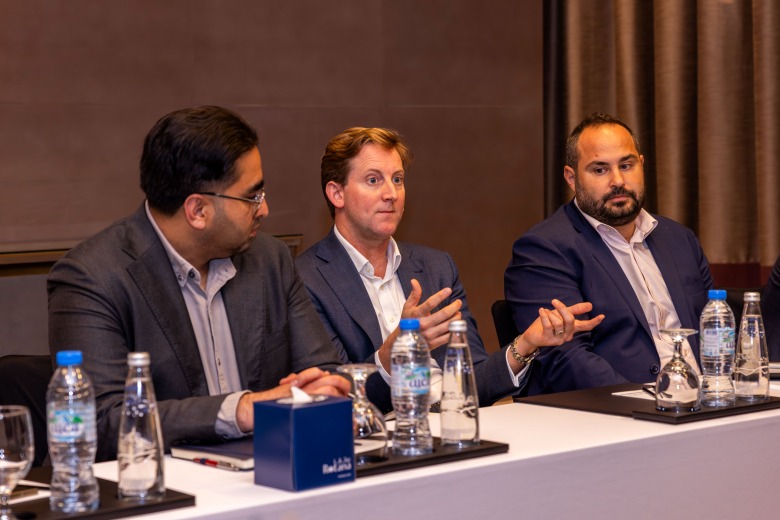
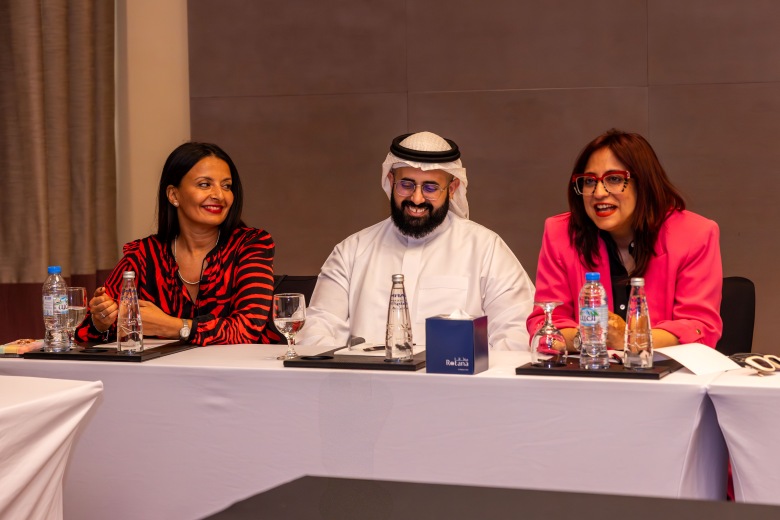
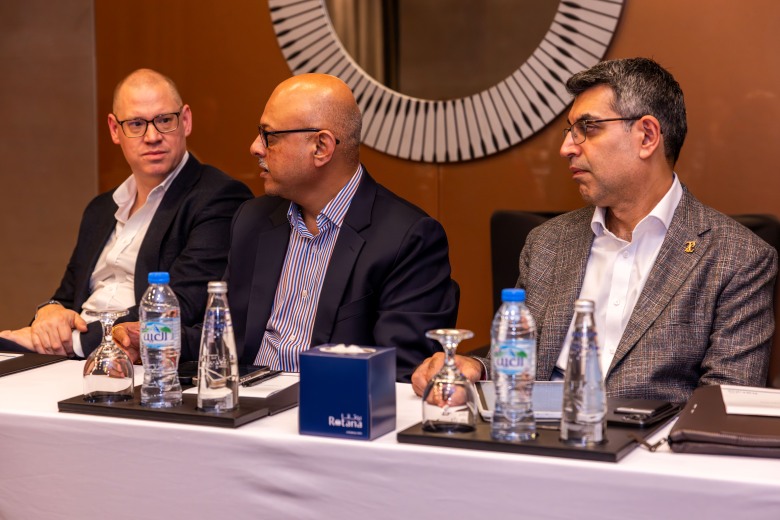
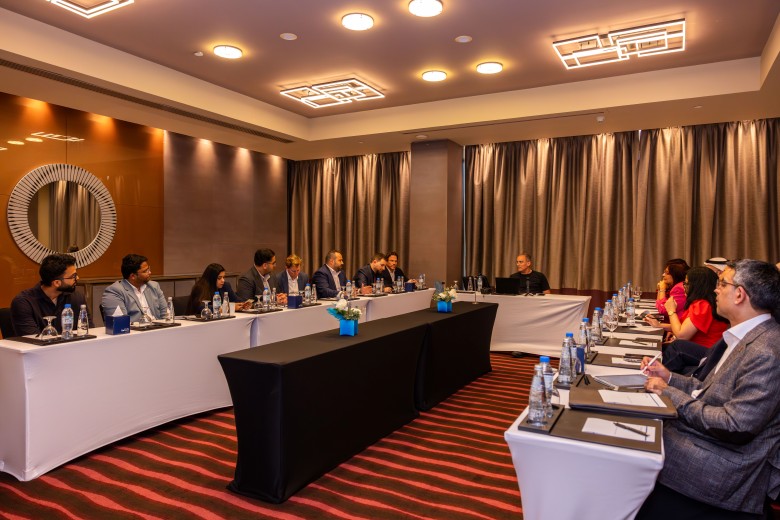
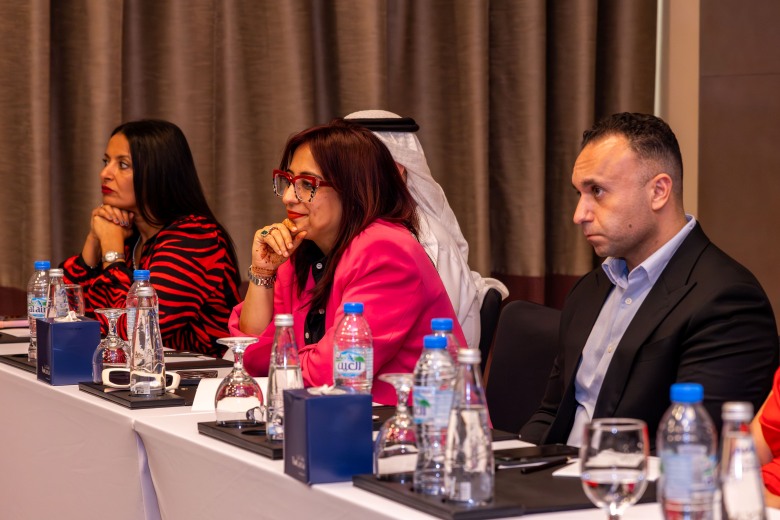
To assess what this first phase has actually delivered — and where friction remains — Unlock Blockchain convened a closed-door roundtable during Abu Dhabi Finance Week under Chatham House Rules. The discussion brought together regulators, legal advisors, payments firms, tokenization platforms, infrastructure providers, and institutional actors. What followed was not a victory lap, but a reality check.
What emerged was a clear message: stablecoins in the UAE are no longer a theoretical debate, but their role, scale, and structure are still being actively negotiated.
The First Wave: Designed to Test, Not to Scale
Participants broadly agreed that the first wave of UAE stablecoins should be understood as an experiment rather than a verdict. The initial objective was not mass adoption, but to test regulatory frameworks, governance models, reserve structures, custody arrangements, and technical choices in a controlled environment.
This distinction, however, was not always well communicated to the market. Public announcements created expectations of immediate usability, while in practice access remained limited, wallet infrastructure was controlled, and some deployments relied on permissioned or private blockchain architectures. For many observers, this created the impression that stablecoins had “launched” without actually being usable.
The issue was not technological failure, but expectation mismatch. Products closer to minimum viable pilots were perceived as finished consumer instruments. Without consistent messaging around scope and limitations, confusion filled the gap.
Context also mattered. Unlike economies where stablecoins gain traction as a hedge against inflation or currency instability, the UAE operates under a long-standing dollar peg and a highly stable monetary environment. Here, stablecoins must justify themselves through utility, not necessity. Adoption depends on whether they reduce friction, improve settlement speed, or unlock new financial workflows — not on fear of currency erosion.
How Many AED Stablecoins Does the Market Actually Need?
As additional bank-led AED stablecoins prepare to enter the market, a fundamental question surfaced repeatedly: does the UAE really need multiple AED-backed stablecoins, especially alongside a CBDC?
The prevailing view was pragmatic. Not all stablecoins are expected to survive — nor should they. The market is testing different issuance models, partnerships, and use cases to determine what works. Some stablecoins are being designed for merchant and retail payments, others for wholesale settlement, treasury management, or trade finance.
Importantly, stablecoins and CBDCs were not framed as competitors. CBDCs were widely understood as tools for interbank settlement and high-value transactions, where monetary control and systemic stability are paramount. Stablecoins, by contrast, are evolving as commercial instruments — programmable, always available, and better suited to fragmented or cross-border use cases.
The real risk identified was liquidity fragmentation. Multiple AED stablecoins operating in isolation could dilute network effects and complicate integration for payment firms, tokenization platforms, and corporates. This raises the likelihood that either consolidation or interoperability layers will become essential infrastructure in the next phase.
Payments, Trade, and Treasury: Where Stablecoins Are Already Working
While retail payments dominate public narratives, the roundtable consistently pointed to B2B payments, trade finance, and treasury flows as the areas where stablecoins are already proving their value.
Cross-border payments remain structurally inefficient, particularly for corridors linked to emerging markets. Correspondent banking is slow, costly, and unpredictable. In these environments, stablecoins are being adopted not as speculative assets, but as functional settlement tools.
In several cases, businesses are not only accepting stablecoins but holding them and redeploying them across their own supply chains. This represents a critical shift. Once stablecoins circulate within closed commercial ecosystems, they evolve from payment rails into working capital instruments, enabling faster settlement, improved liquidity management, and reduced reliance on traditional banking cut-offs.
Retail adoption, by contrast, remains conditional. In stable economies, consumers change payment behavior only when incentives are clear and friction is meaningfully reduced. Most users do not care whether they are using a stablecoin; they care whether the payment works, clears instantly, and costs less.
Tokenized Assets and Tokenized Money Are Not the Same
One of the most important clarifications to emerge from the discussion was the persistent confusion between tokenized assets and tokenized money.
Tokenized assets — such as real estate, trade receivables, funds, commodities, or private credit — are investment instruments governed by securities, commodities, or fund regulations. Tokenized money — including stablecoins and CBDCs — exists to move and settle value.
This distinction has practical consequences. Tokenizing assets without an efficient on-chain settlement layer creates friction rather than efficiency. Conversely, treating stablecoins as investment products distorts their role and regulatory treatment.
Participants repeatedly emphasized that tokenization cannot scale without liquidity, and liquidity requires trusted, compliant, programmable money on-chain. In this sense, stablecoins are not competitors to tokenization; they are its enablers.
Globally, definitions remain fragmented. Stablecoins are variously classified as payment tokens, fiat-referenced tokens, or virtual assets depending on jurisdiction. The UAE’s approach was seen as pragmatic but still evolving, particularly in accommodating fintech-led use cases alongside bank-led issuance.
The Real Bottleneck: How Builders Speak to Regulators
One of the most revealing insights from the roundtable had little to do with technology. It centered instead on how founders and builders approach regulators.
Innovators often enter regulatory conversations emphasizing speed, efficiency, and disruption. Regulators, meanwhile, are asking a different question: where does authority, accountability, and sovereignty sit in this new system? When innovation is framed as replacement rather than extension, resistance becomes almost inevitable.
The discussion highlighted that regulatory hesitation is rarely about the technology itself. It is about preserving monetary sovereignty, systemic stability, and the ability to intervene in times of stress. Jurisdictions with strong, resilient financial systems have little incentive to move quickly unless these concerns are addressed head-on.
For builders, the implication is clear. Adoption does not begin by explaining what the technology can do, but by demonstrating how it preserves control, enhances visibility, and strengthens oversight. Blockchain-based systems, when properly designed, can offer regulators more transparency than traditional finance — not less. But that case must be made in the language of governance, not disruption.
Compliance, Transparency, and the Shift Toward On-Chain Oversight
Concerns around AML, capital flight, and financial crime surfaced repeatedly, but the tone of the discussion reflected a shift. Rather than viewing stablecoins as inherently opaque, many participants argued that on-chain systems provide unprecedented visibility.
Unlike cash or complex correspondent banking chains, blockchain transactions are traceable and auditable in real time. This does not eliminate risk, but it changes the enforcement model — from reliance on intermediaries to direct observation of flows.
The challenge, once again, is translation. Innovators and regulators often speak past one another, even when their objectives align. Bridging this gap requires education, collaboration, and realistic pilots — not ideological positioning.
What the First Wave Has Actually Revealed
The roundtable did not produce a single conclusion, but it clarified where the market truly stands.
The UAE is no longer early, but it is not finished. The first wave of stablecoins established legal and operational foundations. The next phase will determine whether these instruments become core financial infrastructure or remain controlled experiments.
Success will not be measured by how many stablecoins exist, but by:
- Whether they integrate seamlessly into payments, trade, and treasury systems
- Whether tokenized assets can settle efficiently using on-chain money
- Whether regulators and market participants can align language, expectations, and incentives
If the first phase was about permission, the next is about purpose.


Closing Note
Unlock Blockchain would like to thank Karm Legal Consultants and XDC Network for supporting the idea of convening this closed-door roundtable and enabling an open, candid discussion around stablecoins, tokenization, and digital value infrastructure.
The roundtable brought together participants from across regulation, payments, tokenization, legal advisory, institutional finance, and infrastructure. Those who attended included Paul Boots (VARA), Omar Abbas (BurjX), Kokila Alagh and Akshata Namjoshi (Karm Legal Consultants), Saloi Benbaha (XDC Network), Harish Parameswaran (Comera Pay), Abdallah Mukalled (Ripple), Abrar Akhtar (TECHT Labs), Sachin Dehra (BlackRock), Adel Alharbi, Tom James (Tradeflow Capital Management), Richard Crook (DEUS X Pay), Daniel Faria (Zerostack), and Juha Viitala (Universal Digital – USDU).
While perspectives differed, the discussion reflected a shared recognition that stablecoins and tokenization are no longer abstract concepts in the UAE. They are becoming foundational elements of the region’s financial architecture — provided the market continues to align innovation with regulatory clarity, real-world utility, and institutional trust.
The question now is not whether stablecoins will play a role, but what role they are ultimately meant to serve.