European Banks Unite to Launch Euro Stablecoin in 2026 to Challenge U.S. Payment Dominance

Major Banks Unite Behind New Digital Euro Initiative
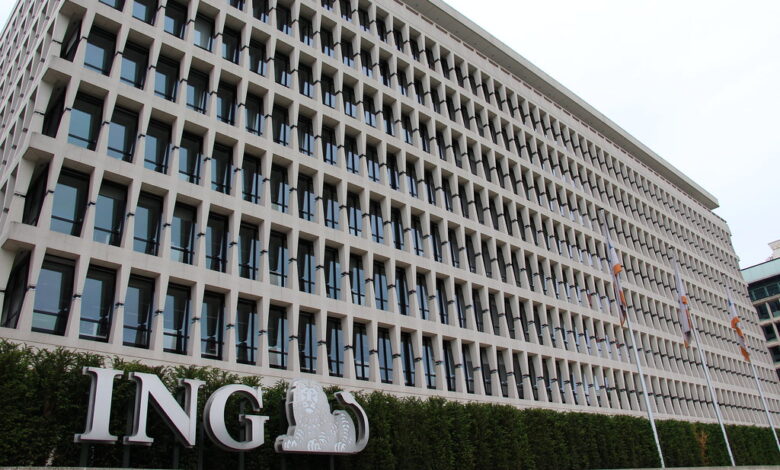
A consortium of 10 leading European banks, including ING, UniCredit, and BNP Paribas, has formed a new company to develop and issue a euro-pegged stablecoin, targeting a launch in the second half of 2026. The move marks one of the most coordinated efforts by Europe’s traditional banking sector to establish a sovereign-aligned digital payment alternative in response to the growing dominance of U.S. dollar-backed stablecoins in global crypto and settlement markets.
The newly formed entity, named Qivalis, will be headquartered in Amsterdam. At a press conference held in the city on Tuesday, the group confirmed that Jan-Oliver Sell, former CEO of Coinbase Germany and previously an executive at Binance, has been appointed CEO. Howard Davies, former chair of NatWest, will serve as chair of the company.
Qivalis plans to expand rapidly, with Sell stating that the company intends to recruit 45 to 50 employees over the next 18 to 24 months, with roughly one-third of that workforce already in place.
European Banks Respond to Stablecoin Growth
The launch comes as banks worldwide face mounting pressure from the rapidly expanding stablecoin ecosystem, which many lenders increasingly view as a direct competitor to traditional payment rails and correspondent banking systems. Institutions are now accelerating efforts to integrate blockchain technologies into their own infrastructures to avoid disintermediation by crypto-native platforms.
In the United States, momentum is growing following the passage of legislation establishing a regulatory framework for stablecoin issuance under President Donald Trump’s administration, prompting major U.S. financial institutions to prepare launches of dollar-backed stablecoins aimed at domestic and international payment markets.
Dollar Stablecoins Still Dominate Global Markets
Despite Europe’s ambition, dollar-pegged stablecoins remain overwhelmingly dominant. The sector has been led by Tether, whose flagship USDT stablecoin now has approximately $185 billion in circulation, reflecting massive adoption across crypto trading, remittances, and cross-border payments.
By contrast, demand for euro-denominated stablecoins remains limited. French bank Société Générale’s crypto subsidiary SG-FORGE launched its own euro stablecoin in 2023. However, the token currently has only around €64 million ($74 million) in circulation, illustrating the scale challenge facing euro-based digital assets.
Qivalis’ Initial Use Case: Crypto Trading Settlement
Qivalis stated that its euro stablecoin will support “near-instant, low-cost payments and settlements”, though company leadership indicated the product’s initial focus will be crypto trading infrastructure, rather than consumer retail payments. The goal is to provide compliant settlement rails for digital asset platforms operating within European regulatory frameworks.
CEO Jan-Oliver Sell explained that the company name “Qivalis” was chosen to reflect core financial values including trust, quality, and integrity, and for its ease of pronunciation across European languages.
Licensing Plans Under Dutch Central Bank
Regulatory approval remains a crucial next step. Qivalis has applied for an Electronic Money Institution (EMI) licence from the Dutch central bank (De Nederlandsche Bank). Sell estimates the licensing process could take six to nine months, positioning the company to finalize preparations ahead of its intended mid-2026 market debut.
Regulatory Concerns and Central Bank Oversight
European policymakers continue to express caution over the expansion of privately issued stablecoins. European Central Bank President Christine Lagarde has repeatedly warned lawmakers that large-scale private stablecoin issuance could disrupt monetary policy transmission and threaten financial stability by pulling capital flows away from traditional banking systems.
To counter this risk, the ECB is accelerating development of a state-backed digital euro, aimed at providing a regulated, pan-European digital payment solution and reducing reliance on both U.S.-controlled payment networks and privately issued digital currencies.
Nonetheless, project leaders say dialogue with regulators has been constructive. Floris Lugt, ING’s head of digital assets and incoming CFO of Qivalis, stated that the group remains in close contact with the ECB, describing the central bank as “very supportive” of the initiative so far.
Europe’s Strategic Push Into Digital Payments
The creation of Qivalis reflects Europe’s growing strategic ambition to develop homegrown blockchain payment infrastructure capable of competing with U.S. stablecoin issuers and global card networks. While challenges remain—particularly around adoption and liquidity—backing from major banks, regulatory supervision, and integration with legacy financial systems provides the project with strong institutional support.
If successfully launched, Qivalis could become the largest regulated euro stablecoin initiative to date, representing Europe’s clearest attempt to stake a claim in the evolving digital currency landscape.