The Dubai Multi Commodities Centre (DMCC) is participating in discussions on digital assets and tokenization at the World Economic Forum Annual Meeting 2026, highlighting Dubai’s ongoing focus on blockchain and Web3 development. Industry participants, policymakers, and institutional investors are examining the practical integration of digital finance with traditional markets.
A recent LinkedIn post by DMCC Crypto Centre highlighted the organization’s involvement in panels and discussions on tokenization, regulation, and the adoption of Web3 technologies.
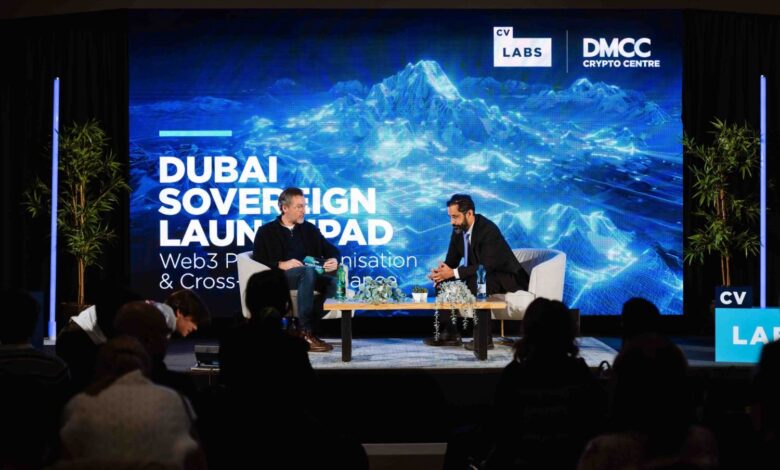
As part of a dedicated session titled “Dubai Sovereign Launchpad: Web3 Policy, Tokenisation & Cross-Border Finance”, DMCC explored how regulation, policy, and practical applications are shaping the next phase of Web3. The discussion included Ahmed Bin Sulayem, Chairman and CEO of DMCC; Belal Jassoma, Senior Director – Tech Ecosystems; and Zaher El Orm, Manager of the DMCC Crypto Centre, alongside industry leaders from CV VC, Animoca Brands, Opengame Foundation, and Ault & Company, Inc.
Web3 Hub Davos and Industry Developments
At Web3 Hub Davos 2026, blockchain projects, financial institutions, and technology providers are sharing insights into operational use cases, cross-border collaboration, and regulatory frameworks. DMCC’s participation reflects its ongoing strategy to support blockchain-based financial services and tokenized markets within Dubai’s regulatory and business ecosystem.
The event lineup includes organizations such as the DFINITY Foundation, Animoca Brands, and the Stellar Development Foundation, emphasizing how digital asset infrastructure is increasingly being explored for practical applications rather than purely theoretical discussions.
Web3 Policy and Tokenization at Davos
At Web3 Hub Davos 2026, discussions moved from broad conceptual debates to practical questions about implementation and compliance. Tokenization — the representation of real‑world assets, rights, or securities as digital tokens — emerged as a recurring theme. Speakers examined how tokenized structures could improve liquidity, lower barriers to cross‑border investment, and interact with established legal and market frameworks.
This practical emphasis aligns with DMCC’s ongoing strategy to support interoperable digital markets within regulated ecosystems rather than create isolated parallel systems.
Context from DMCC Leadership and Regional Vision
DMCC’s approach has been shaped by a broader vision that goes beyond short‑term crypto trends. In a previous interview with Unlock Blockchain, Ahmed Bin Sulayem discussed DMCC’s efforts to integrate digital finance into Dubai’s economic landscape, emphasizing collaboration between regulators, businesses, and technology partners to support real‑world Web3 adoption.
This perspective provides context for DMCC’s messaging at Davos, where the focus was on enabling responsible market development alongside policy clarity and investor protection.
Industry Perspectives and the Broader Davos Agenda
The presence of executives such as Coinbase CEO Brian Armstrong adds context to the Forum’s discussions. Armstrong has highlighted the importance of aligning crypto adoption with regulatory clarity, advancing tokenization, and exploring ways to broaden market access.
These conversations come as U.S. regulatory progress remains uncertain, including Coinbase’s recent withdrawal of support for the CLARITY Act and the postponement of Senate negotiations. Davos provides an opportunity to engage with international stakeholders on practical pathways for integrating digital assets into established markets.
Balancing Innovation and Regulation
Davos 2026 demonstrates the ongoing dialogue between innovation and governance. Discussions focus on how tokenization, stablecoins, and other blockchain-enabled services can be implemented within existing financial frameworks to ensure transparency, operational efficiency, and investor confidence.
For DMCC, engagement at the Forum reflects its continued efforts to explore practical use cases for digital assets while providing an environment that balances regulatory compliance with innovation.