SEC Pauses Review of Highly Leveraged ETFs Over Risk Concerns

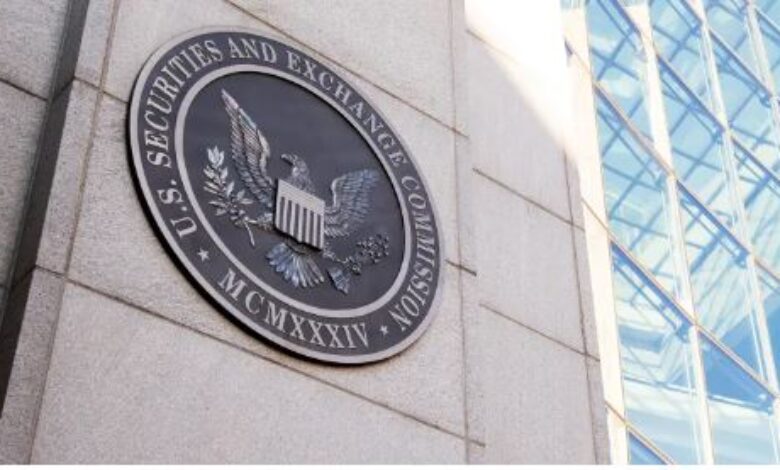
The U.S. Securities and Exchange Commission (SEC) has suspended its review of proposals for new highly leveraged exchange-traded funds, signaling heightened regulatory scrutiny over products designed to amplify daily market moves.
In warning letters issued Tuesday to nine ETF issuers — including Direxion, ProShares, and GraniteShares — the regulator raised concerns about funds seeking exposure as high as five times (5x) the daily performance of a single stock or index.
“We write to express concern regarding the registration of exchange-traded funds that seek to provide more than 200% (2x) leveraged exposure,” the SEC stated, highlighting potential conflicts with current regulatory standards.
Tidal Financial, among the recipients of the letter, declined to comment, while the other firms did not provide immediate responses.
Leveraged ETFs Gain Popularity — and Regulatory Attention
Leveraged ETFs have surged in popularity among retail traders, driven by strong equity market momentum, speculative trading activity, and expanding product innovation — particularly in single-stock and crypto-linked strategies.
These funds aim to magnify daily price movements by borrowing or using derivatives to increase exposure. While this design can generate outsized short-term gains in favorable markets, it also exposes investors to sharp losses — especially during volatile or sideways trading periods.
The SEC’s growing concern reflects the complexity of these instruments and the risk of significant capital erosion when held for longer than short-term trading horizons.
Rule 18f-4 at the Center of Regulatory Concerns
The regulator’s objections revolve around Rule 18f-4 under the Investment Company Act of 1940, which limits a fund’s value-at-risk (VaR) to no more than 200% of the VaR of an appropriate reference portfolio.
In its letters, the SEC asked issuers to explain:
- How they define the reference portfolios used to measure risk exposure.
- Whether their leverage models genuinely comply with VaR limits.
Fund managers were instructed to revise their filings to bring strategies into compliance or consider withdrawing proposed products entirely.
Big Gains, Bigger Losses Highlight the Volatility
Despite growing regulatory caution, leveraged ETFs continue to draw interest from investors seeking rapid returns.
The largest leveraged ETF currently trading, the ProShares UltraPro QQQ (TQQQ) — which targets three times the daily performance of the Nasdaq-100 — has gained nearly 40% year-to-date, benefiting from the technology sector’s rally.
However, recent performance in more volatile products underscores the downside risks:
- Defiance Daily Target 2x Long MSTR ETF (MSTX), linked to Strategy (formerly MicroStrategy), has collapsed more than 83% this year.
- 2x Long Super Micro ETF (SMCX) is down over 60%.
- Amplify’s 2x Cannabis ETF (MSOX) has fallen nearly 60%.
These declines highlight the compounding effects and amplified losses inherent in leveraged ETF structures during volatile drawdowns.
Regulatory Pressure Builds on Risky ETF Products
The SEC’s move adds further pressure on a fast-growing segment of the ETF market that continues to expand despite persistent warnings from regulators and investor advocates.
By pausing reviews and demanding additional disclosures, the regulator aims to rein in products that may expose retail investors to excessive and poorly understood risks — particularly those promising exposure beyond the traditional 2x leverage threshold.
Whether issuers can successfully redesign offerings to comply with regulatory limits remains to be seen, but the SEC’s latest action signals that the era of increasingly extreme leveraged ETFs may be approaching stricter oversight.