Regulation & Policy
Share
China has made a significant update to its Anti-Money Laundering (AML) laws by revising them to include virtual assets transactions for the first time.
This change, announced by the Supreme Court and Public Prosecutor on August 19, marks the first major update to the country’s AML regulations since their adoption on January 1, 2007. The new interpretation of the law now recognizes transactions involving virtual assets as potential methods for money laundering, reflecting the growing influence of digital currencies in the financial landscape.
Under the revised laws, the transfer and conversion of criminal proceeds through digital transactions will now fall under the scope of regulations aimed at preventing the concealment of the source and nature of criminal proceeds. Offenders could face penalties ranging from 10,000 yuan (approximately $1,400) to 200,000 yuan ($28,000) for more severe offenses, along with potential prison sentences of five to ten years. The amendments also provide clearer guidelines for identifying "serious circumstances" in money laundering cases, such as non-cooperation with authorities or laundering amounts exceeding 5 million yuan (around $700,000). The Supreme People’s Procuratorate reported that in 2023, 2,971 individuals were prosecuted for money laundering, a significant increase from previous years.

Disclaimer of Warranty
The information provided in this article is for general informational purposes only. We make no warranties about the completeness, reliability, and accuracy of this information. Read full disclaimer
This legal revision has sparked renewed speculation about China's stance on cryptocurrencies. Some industry observers have suggested that China could be preparing to lift its ban on crypto trading, with rumors gaining traction following a now-deleted post by Galaxy Digital CEO Mike Novogratz, who speculated that China might "unban" Bitcoin by late 2024. Justin Sun, founder of Tron and the crypto exchange HTX, further fueled these rumors with a cryptic comment on social media, hinting at a possible shift in China's approach to crypto.
However, skepticism remains high among experts. Yifan He, CEO of the Chinese blockchain firm Red Date Technology, expressed doubts that China would allow its citizens to trade Bitcoin using local currency, while Mikko Ohtamaa, co-founder of Trading Strategy, pointed out that such a move would conflict with the Chinese government's broader political goals.
In related news, authorities in Qingdao have recently prosecuted a case involving a network accused of using the stablecoin Tether (USDT) to launder over 8 million yuan ($1.1 million) for criminal enterprises, according to Cointelegraph. The suspects reportedly used business licenses and identification documents to open accounts, which were then employed to facilitate money laundering activities. The laundered funds were converted into USDT and transferred back to the criminals, with the syndicate receiving a commission for their services. Nine individuals are currently facing prosecution in connection with this case.





Editor's Picks

Franklin Templeton’s 250 Digital Deal Signals a Shift Toward Active Crypto Management

Walid Abou Zaki

Apr 1, 2026

5 min
VARA Introduces Virtual Asset Derivatives Framework As Dubai Deepens Market Maturity
Walid Abou Zaki
Mar 31, 2026
7 min

Crypto-Collateral Mortgage Gap Signals Future Opportunity for Dubai
Walid Abou Zaki
Mar 28, 2026
7 min
Read More Articles

In the Same Space

Maxine Waters Requests Clarity on Kraken Federal Reserve Account
Chantal Assi
Mar 27, 2026
3 min

David Sacks Exits White House Crypto Role as Key Legislation Remains Pending
News Desk
Mar 27, 2026
3 min
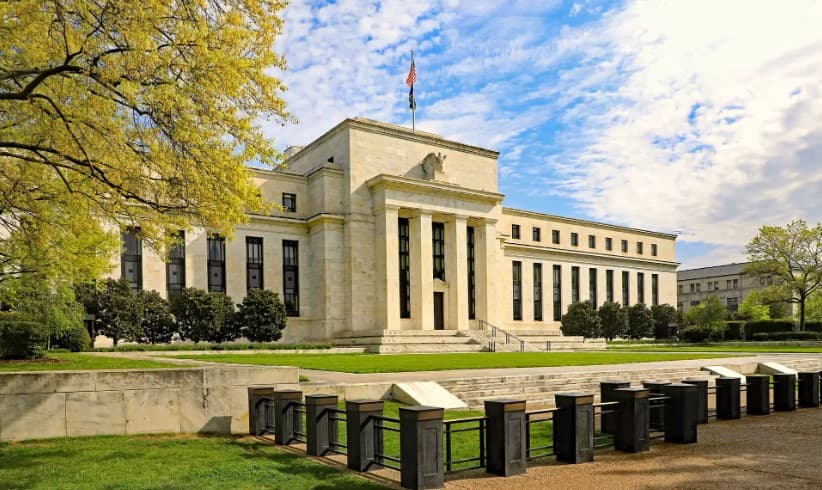
Fed’s Barr Signals Strict Stablecoin Enforcement Ahead of GENIUS Act Deadline
Salma Naueihed
Apr 3, 2026
7 min

From Single Tokens to Crypto Baskets: NYSE Arca Options Get SEC Greenlight
News Desk
Apr 2, 2026
5 min