Advertisement
Companies & Deals
Share
Sam Altman's return as CEO of OpenAI, though appearing as a triumphant comeback, prompts intriguing questions about the internal dynamics and challenges within the organization. The ease with which Altman was initially ousted suggests a legal structure that facilitated his removal, influenced by the Chief Technology Officer's pressure. Despite his return, one may question whether the existing board and legal framework pose hurdles to his ability to implement significant changes or assert more power in steering the company.
The circumstances surrounding Altman's departure indicate internal disagreements, possibly linked to a groundbreaking product on the brink of announcement. It seems that Altman, driven by a sense of urgency to unveil and commercialize the innovation, clashed with the CTO, who viewed it as a potential threat to humanity. This tension in strategic vision and ethical considerations adds complexity to Altman's return, prompting scrutiny of how OpenAI plans to navigate such disputes and balance innovation with responsible development.
Moreover, Altman's commitment to the principles outlined during the AI Safety Summit becomes a focal point. As OpenAI grapples with the responsibility of developing advanced AI technologies, the extent to which Altman adheres to and implements the safety measures agreed upon during the summit will be closely observed. The delicate balance between innovation and ethical considerations will likely define his tenure as CEO.
The influence of external factors, particularly from investors such as Microsoft, looms large in Altman's return. Reports suggest that investor pressure, coupled with the threat of key employees leaving OpenAI, played a significant role in facilitating Altman's comeback. This external pressure raises questions about the extent to which decisions within OpenAI are driven by financial considerations, potentially impacting the company's autonomy and ability to prioritize ethical AI development.
In navigating these intricacies, Altman's return as CEO of OpenAI unfolds as a complex tale shaped by legal structures, internal disagreements, ethical considerations, and external pressures. As the narrative unfolds, observers are left to ponder how the company will reconcile innovation with responsibility under Altman's leadership. Returning to the helm of OpenAI, Sam Altman joins a roster of illustrious CEOs like Steve Jobs, Michael Dell, Jack Dorsey, and Howard Schultz who have navigated the challenging terrain of corporate dynamics to reclaim leadership roles. As he takes on this role once more, the unfolding saga of his comeback intertwines with broader questions about corporate governance, ethical AI development, and the delicate balance between innovation and responsibility. Altman's resurgence adds a compelling chapter to the narrative of CEOs making triumphant returns, underscoring the ever-evolving landscape of leadership in the tech industry

Disclaimer of Warranty
The information provided in this article is for general informational purposes only. We make no warranties about the completeness, reliability, and accuracy of this information. Read full disclaimer

Editor's Picks

As U.S. Crypto Legislation Stalls, Circle Launches Its Own Financial Network

Walid Abou Zaki

Sep 16, 2026

9 min
Stablecoin Yield Fight Helps Derail CLARITY Act in Senate
Walid Abou Zaki
Sep 15, 2026
8 min

Why Zondacrypto’s Collapse Would Unfold Differently in the UAE
Walid Abou Zaki
Aug 28, 2026
8 min
Read More Articles

In the Same Space

Lunar Ark Secures VARA In-Principle Approval for Virtual Asset Brokerage
News Desk
Sep 17, 2026
2 min
Kraken Parent Payward Plans Onchain Perpetuals on Hyperliquid for U.S. Clients
News Desk
Sep 17, 2026
4 min
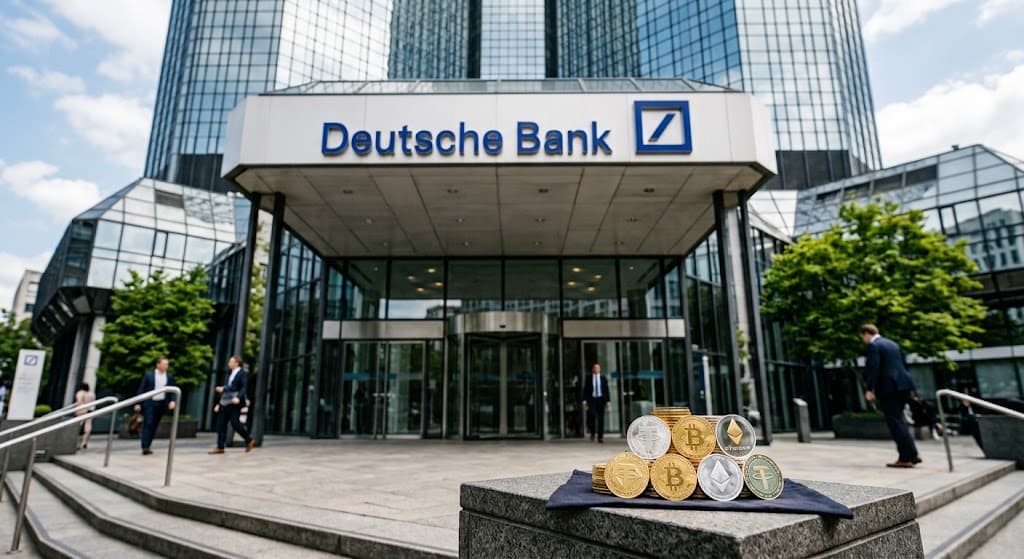
Deutsche Bank Moves Into Institutional Crypto Custody With Bitcoin, Ether and Stablecoins
News Desk
Sep 17, 2026
4 min

House Panel Advances Bill to Establish Strategic Bitcoin Reserve
News Desk
Sep 17, 2026
4 min