Advertisement
Stablecoins & Payments
Share
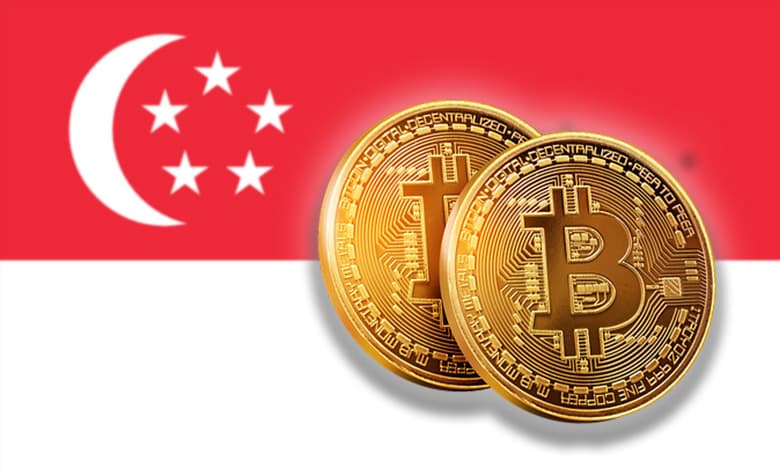
Nebraska ethics advisory opinion for lawyers dated September 11, 2017 enables lawyers in Nebraska to accept cryptocurrency as payment.
This opinion marks the first time that a state ethics body has considered a question related to cryptocurrency payments.
The Lawyers' Advisory Committee is an eight-member body that responds to queries from lawyers in Nebraska, weighing them against the state's Rules of Professional Conduct.
The request focused on three elements: whether an attorney can receive cryptocurrencies like bitcoin as payment; whether directly from a client or from a third party; and whether they can hold cryptocurrencies in escrow or trust on behalf of the client.
Citing a requirement that no client may be charged a very high fee, the committee said that, while a lawyer may accept a cryptocurrency, it must immediately be converted to U.S. dollars, as it would “mitigate the risk of volatility and possible unconscionable overpayment for services”.
The opinion indicates that third-party payments can be accepted "so long as the payment prevents possible interference with the attorney's independent relationship with the client." The lawyer must, also, identify the party sending the payment.
The Advisory Committee approved the question pertaining to holding cryptocurrencies in escrow under the condition that the units of such currencies are held separately from the lawyer’s own properties. In addition, they must be safeguarded and records should be kept for a period of five years. The opinion identifies bitcoin as property, and prevents its deposit into a client trust account.
The document also highlights the importance of taking security precautions when it comes to a lawyer storing Bitcoin for the clients or receiving client payments in Bitcoin. In fact, the opinion states: “Reasonable methods could include encryption of the private key required to send the bitcoins. Another method may include utilization of more than one private key (known as a “multisignature account” or “multi-sig”) for access to the bitcoins. Other reasonable measures may include maintenance of the wallet in a computer or other storage device that is disconnected from the Internet (also known as “cold storage”), a method that would also allow for off-line storage of one or more private keys”.

Disclaimer of Warranty
The information provided in this article is for general informational purposes only. We make no warranties about the completeness, reliability, and accuracy of this information. Read full disclaimer

Editor's Picks
Why Zondacrypto’s Collapse Would Unfold Differently in the UAE

Walid Abou Zaki

Aug 28, 2026

8 min

The Missing Orchestration Layer Holding Back Institutional Digital Assets
Julian Sawyer
Aug 18, 2026
5 min

Beyond Crypto Access: How ARP Digital Is Building the UAE’s Digital Capital Infrastructure
Anna K.
Aug 17, 2026
8 min
Read More Articles

In the Same Space

Revolut Launches EURR as Its Stablecoin Strategy Takes Shape
News Desk
Aug 27, 2026
4 min

$320M Exploit Drains Bitcoin From Network Used by Exchanges
News Desk
Sep 7, 2026
4 min

ARK Invest, Glassnode Map Decentralization Tradeoffs Across Bitcoin, Ethereum and Solana
News Desk
Sep 3, 2026
5 min
Corporate Crypto Treasury Boom: Strive Enters Top Five Bitcoin Holders as Bitmine Nears 5% of ETH Supply
News Desk
Sep 1, 2026
4 min