Advertisement
Companies & Deals
Share
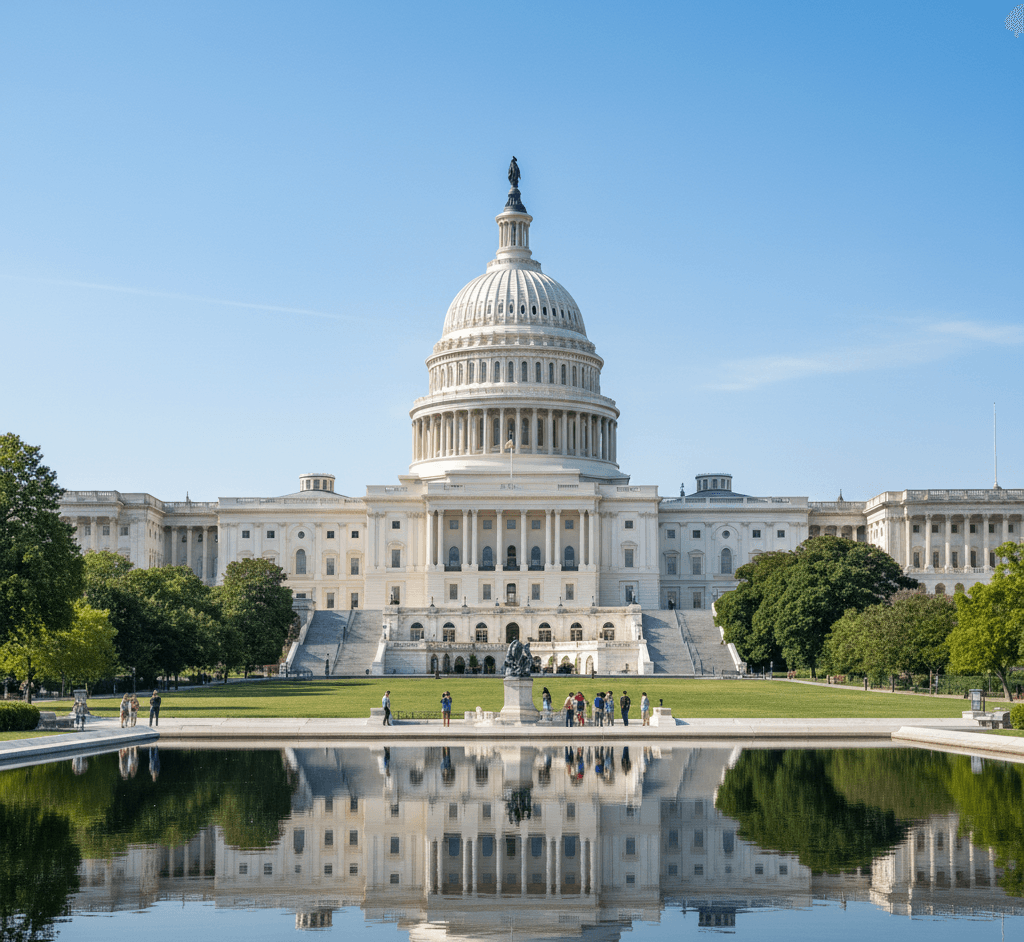
U.S. President Donald Trump announced on Sunday a new proposal to distribute a $2,000 “dividend” to most Americans, funded by federal tariff revenues, a decision that has quickly rippled through global markets and reignited debate over the broader impact of protectionist trade policies.
The announcement, made on Trump’s Truth Social account, outlines a plan to deliver direct payments to U.S. citizens, excluding high-income earners, using money collected from tariffs on foreign imports. The president defended the policy amid ongoing legal challenges, criticizing opponents who claim the tariffs exceed executive authority.
“A dividend of at least $2,000 a person, not including high-income people, will be paid to everyone,” Trump wrote. “The president of the United States is allowed to stop all trade with a foreign country, but is not allowed to put a simple tariff on one? It’s absurd.”
The U.S. Supreme Court is currently reviewing the legality of Trump’s tariff measures. Prediction markets suggest low odds of judicial approval: data from Kalshi place the likelihood at 23%, while Polymarket traders give it 21%.
Should the Court block the policy, the proposed “dividend” would likely stall, limiting its immediate economic impact. Still, analysts say the announcement alone has boosted market sentiment—especially in the cryptocurrency sector.
Investors interpreted the proposal as a potential short-term economic stimulus, with expectations that part of the distributed funds could flow into risk assets such as Bitcoin and equities. Market commentator Anthony Pompliano noted that both “stocks and Bitcoin only know to go higher in response to stimulus.”
Bitcoin and other digital assets rose modestly in early trading following the announcement, as traders priced in the potential liquidity injection.
While the move was welcomed by traders, economists caution that such payments could fuel inflation and deepen fiscal imbalances. The Kobeissi Letter, a financial research firm, estimated that around 85% of U.S. adults would qualify for the payout, mirroring the eligibility criteria from previous pandemic-era relief programs.
In a post accompanying their analysis, Kobeissi warned that the proposed checks would likely increase the national debt and erode purchasing power over time.
Bitcoin advocate Simon Dixon offered a blunt assessment: “If you don’t put the $2,000 in assets, it’s going to be inflated away or used to service interest on debt and sent to banks.”
The proposed “tariff dividend” has sparked renewed debate about the balance between short-term economic relief and long-term monetary health. While cash injections often buoy asset prices, they can also weaken the dollar and amplify inflationary pressure, conditions that historically benefit cryptocurrencies.
Whether the Supreme Court allows the plan to proceed remains uncertain. But for now, Trump’s proposal has already achieved one outcome: reviving investor optimism in an economy still grappling with trade tensions and inflation fears.

Disclaimer of Warranty
The information provided in this article is for general informational purposes only. We make no warranties about the completeness, reliability, and accuracy of this information. Read full disclaimer

Editor's Picks

MGX and Phoenix Place UAE Capital Behind France’s AI Rise

Walid Abou Zaki

Jun 10, 2026

9 min

Crypto Is Growing Up: The End of Hype and the Return of Reality
Walid Abou Zaki
Jun 7, 2026
5 min
HTX Sanctioned by UK Years After UNLOCK Blockchain and VAF Compliance Exposed Red Flags
Anna K.
Jun 2, 2026
5 min
Read More Articles

In the Same Space
Revolut Seeks U.S. Bank Launch With Stablecoins in Product Suite
News Desk
Jun 4, 2026
3 min

US Lawmakers Clash Over Digital Asset Tax Rules as Crypto Regulation Advances
News Desk
Jun 10, 2026
3 min
Sanders and Warren Urge Labor Department to Reject Crypto 401(k) Rule
News Desk
Jun 3, 2026
3 min

Singapore's DBS Brings Tokenized Gold to Retail Investors as Demand for Digital Commodities Accelerates
News Desk
Jun 11, 2026
2 min