Regulation & Policy
Share
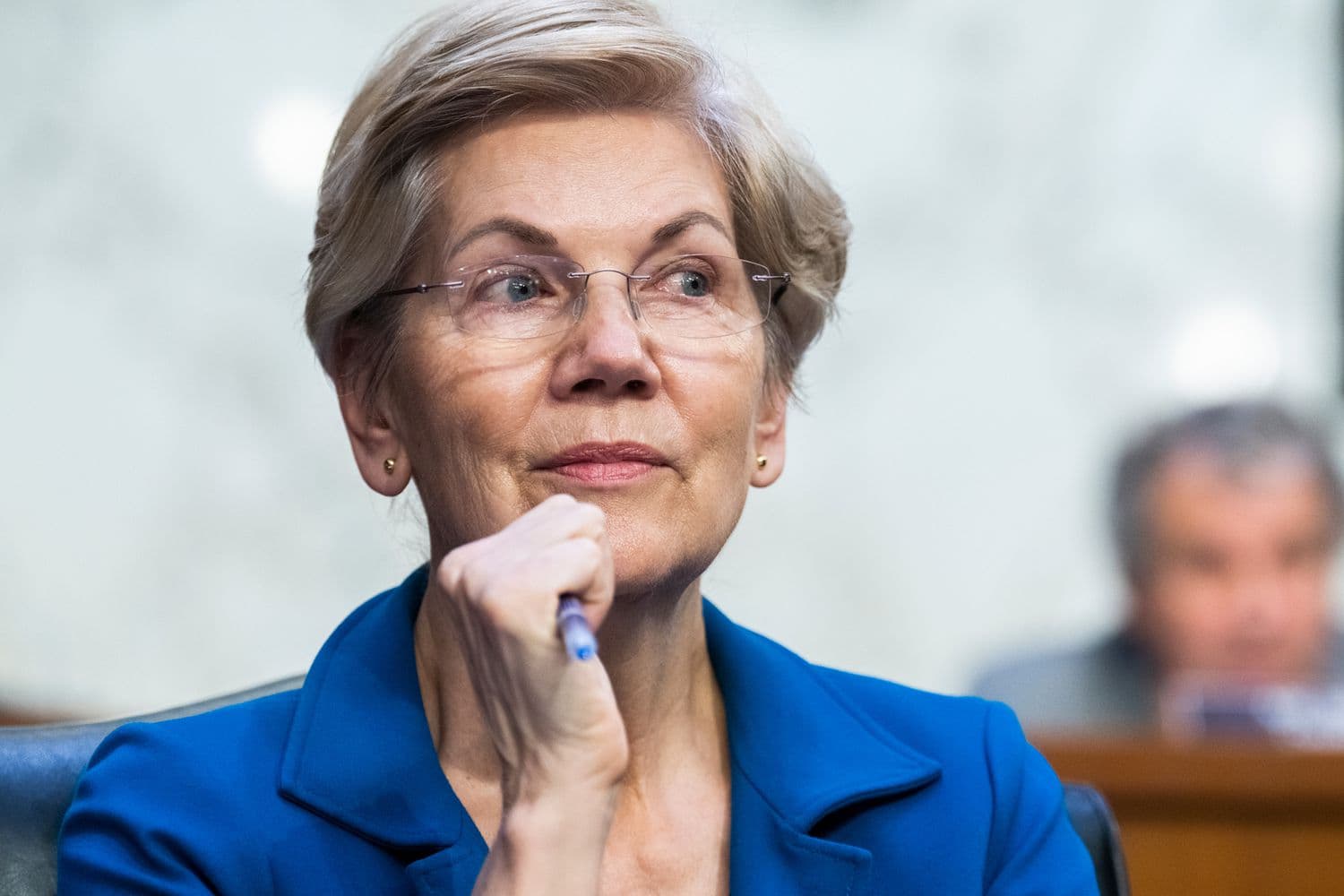
US Senator Roger Marshall, R-Kan., has withdrawn his support for the Digital Asset Anti-Money Laundering Act of 2023 (DAAMLA), a bill he originally co-introduced with Senator Elizabeth Warren, D-Mass. Marshall's withdrawal marks him as the first co-sponsor to retract support. Despite this, the bipartisan bill continues to be backed by 18 other senators.
The bill, introduced in December 2022, was designed to tighten U.S. anti-money laundering rules for digital assets. Warren stated that the bill aimed to apply the same regulatory standards to crypto transactions as those applied to banks, brokers, and Western Union.
The bill was reintroduced in July 2023 with support from the Bank Policy Institute, which represents major banking institutions like Bank of America and Citibank. It seeks to expand know-your-customer and anti-money laundering verification responsibilities to digital asset service providers, miners, validators, and other participants, aiming to close existing security loopholes in the crypto industry.
The bill also proposes that the Treasury, Securities and Exchange Commission (SEC), and Commodity Futures Trading Commission (CFTC) establish a new AML review process to enforce Bank Secrecy Act compliance for digital asset entities.
The Blockchain Association, a nonprofit representing the U.S. crypto industry, expressed concerns about the bill in letters to Congress. The association argued that the bill could jeopardize the nation’s strategic advantage, threaten U.S. jobs, and have minimal impact on illicit actors. They also claimed that the legislation could inadvertently hinder law enforcement and national security efforts by pushing the majority of the digital asset industry overseas.
US Senator Warren previously accused the Blockchain Association of attempting to undermine bipartisan efforts to address crypto terrorist financing.
The crypto industry has long opposed Warren’s bill, arguing that it would be ineffective in decentralized finance and could stifle innovation by imposing excessive regulatory requirements. Perianne Boring, founder and CEO of the blockchain trade association, The Digital Chamber, described Marshall’s withdrawal as a massive victory, noting it is rare for a senator to retract support from their own bill.
Cody Carbone, Chief Policy Officer at The Digital Chamber, criticized the bill as a backdoor ban on blockchain technology.
Industry leaders such as Galaxy Head of Research Alex Thorn and Paradigm VP of Government Affairs Alexander Grieve also welcomed Marshall’s withdrawal, viewing it as a positive development in crypto policy. Alex Thorn described the bill as "a disaster that would criminalize software developers, nodes, miners and more.”

Disclaimer of Warranty
The information provided in this article is for general informational purposes only. We make no warranties about the completeness, reliability, and accuracy of this information. Read full disclaimer

Editor's Picks

Bitcoin’s Institutional Absorption Cycle Deepens as Fed Hold Tests Market Momentum

Salma Naueihed

Apr 30, 2026

4 min

Dubai Is Building Crypto Differently, And It Shows
Anna K.
Apr 28, 2026
5 min

UAE Dollar Swap Talks Could Strengthen AED Stablecoin Confidence
Walid Abou Zaki
Apr 27, 2026
6 min
Read More Articles

In the Same Space
Senator Elizabeth Warren Questions OCC Approval of Crypto Trust Bank Charters
News Desk
May 20, 2026
3 min
Wall Street Could Soon Trade on Blockchain Under New SEC Framework
News Desk
May 19, 2026
3 min

CLARITY Act Advances in Senate as Crypto Regulation Debate Turns Increasingly Political
News Desk
May 18, 2026
4 min

Dubai’s VARA Grants In-Principle Approval for First Permissionless Asset-Backed Token
Salma Naueihed
May 12, 2026
3 min