Advertisement
Regulation & Policy
Share
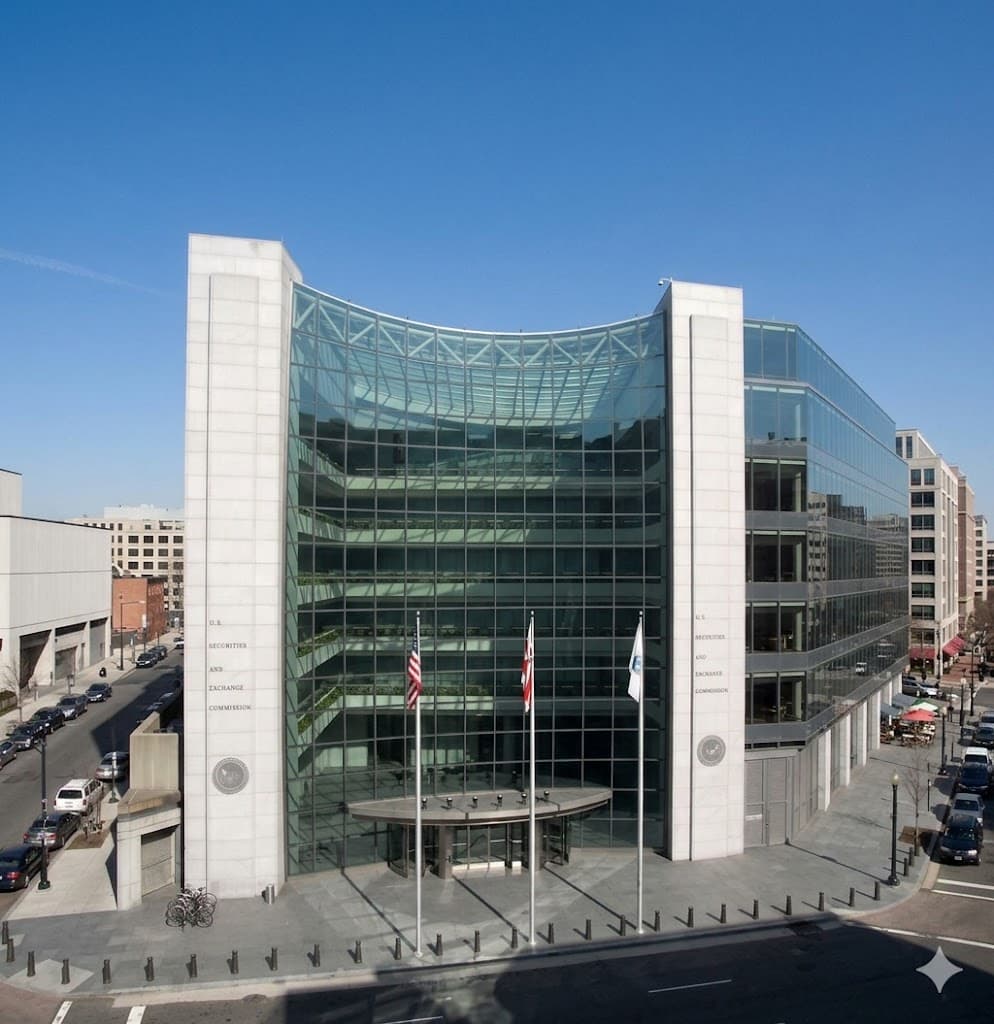
The U.S. Securities and Exchange Commission (SEC) has clarified that tokens tied to decentralized physical infrastructure networks (DePIN) do not fall under its jurisdiction, marking a rare step back from enforcement in the crypto sector.
In a no-action letter issued Monday, Michael Seaman, chief counsel of the SEC’s Division of Corporation Finance, said he would not recommend enforcement against the planned launch of DoubleZero’s 2Z token.
The letter stated that the programmatic transfers outlined by the DoubleZero Foundation do not constitute securities transactions and therefore do not require registration.
SEC Commissioner Hester Peirce reinforced the position, emphasizing that DePIN projects differ from the capital-raising activities that securities laws were designed to regulate. “Congress created the SEC to oversee securities markets, not to regulate all economic activity,” she noted, adding that developers should be focused on building infrastructure rather than navigating complex securities frameworks.
Her comments reflect a broader regulatory shift under the Trump administration, which has promised a lighter approach to crypto oversight in an effort to attract innovation and investment to the U.S.
DoubleZero’s network aims to connect underused private fiber links through blockchain coordination, with contributors compensated in 2Z tokens. Co-founder Austin Federa called the SEC’s letter “proof that U.S. founders can achieve clarity without slowing down innovation.”
The project’s general counsel, Mari Tomunen, argued that when token value stems from the work of network participants, the Howey Test does not apply. “This shows there is a path to launch a token in the U.S.,” she said.
According to Peirce, DePIN tokens serve as incentives to build and maintain infrastructure rather than as investments promising returns. Treating them as securities, she argued, would hinder the growth of distributed service networks.
“These tokens are compensation for work performed, not shares in a company,” she explained. “Imposing securities rules here would suppress innovation rather than support it.”
Despite the regulatory clarity, DePIN-related tokens showed little response. CoinGecko data indicated the sector slipped around 2% in the past 24 hours.
The decision underscores an evolving approach at the SEC: narrowing its scope while acknowledging that not all blockchain activity falls neatly within existing financial regulations. For DePIN projects, it could mark the beginning of a clearer path to building infrastructure-driven networks in the U.S.

Disclaimer of Warranty
The information provided in this article is for general informational purposes only. We make no warranties about the completeness, reliability, and accuracy of this information. Read full disclaimer

Editor's Picks

MGX and Phoenix Place UAE Capital Behind France’s AI Rise

Walid Abou Zaki

Jun 10, 2026

9 min

Crypto Is Growing Up: The End of Hype and the Return of Reality
Walid Abou Zaki
Jun 7, 2026
5 min
HTX Sanctioned by UK Years After UNLOCK Blockchain and VAF Compliance Exposed Red Flags
Anna K.
Jun 2, 2026
5 min
Read More Articles

In the Same Space

Sanders and Warren Urge Labor Department to Reject Crypto 401(k) Rule
News Desk
Jun 3, 2026
3 min

UK FCA Proposes Allowing Retail Funds to Hold Up to 10% in Crypto ETNs
News Desk
Jun 9, 2026
4 min

Revolut Seeks U.S. Bank Launch With Stablecoins in Product Suite
News Desk
Jun 4, 2026
3 min

FTX's Disgraced Sam Bankman-Fried Re-Emerges With Surprising New Request
News Desk
Jun 9, 2026
4 min