Advertisement
Regulation & Policy
Share

SN
Senior English Editor


Kraken is pursuing a full banking license in Lithuania that would allow it to offer regulated banking services across the EEA, extending a global licensing strategy that already includes Federal Reserve master account access and VARA preliminary approval in Dubai.
Crypto exchange Kraken is pursuing a full banking license in Europe, with Lithuania emerging as its preferred jurisdiction, as reported by Coindesk, citing a person familiar with the matter. If approved, the license would allow the exchange to expand beyond crypto trading into regulated banking services across the European Economic Area (EEA), marking another step in its broader strategy to integrate digital assets with traditional financial infrastructure.
Lithuania has become an established European hub for fintech licensing, with institutions including Revolut, Mano Bank, PayRay, European Merchant Bank (EMBank), AB Fjord Bank, and Saldo Bank operating under banking or specialized banking licenses.
Should Kraken secure the license, it would become the first major cryptocurrency exchange to operate under a full European banking license.
The approach mirrors that of Revolut, which received a specialized banking license from the Bank of Lithuania in 2018. That authorization enabled the fintech company to expand regulated banking services—including current accounts, consumer lending and investment products—across the EEA under a unified regulatory framework.
For Kraken, obtaining a banking license would extend its capabilities beyond digital asset trading and custody, potentially enabling closer integration between crypto services and traditional banking products in Europe.
The European banking initiative forms part of Payward's, Kraken's parent company, wider effort to secure regulated financial licenses across major jurisdictions.
Speaking at Money20/20 Europe, Kraken Co-CEO Arjun Sethi said the company's long-term objective is to obtain banking and financial licenses globally, either by acquiring existing institutions or establishing new regulated entities.
"The plan for the next 10 years is to get all of these licenses, either through buying an existing business, or going de novo in each region and starting from scratch."
The strategy reflects a broader shift among digital asset firms seeking deeper integration with regulated financial systems rather than operating solely as crypto exchanges.
Kraken's European ambitions follow several regulatory milestones achieved earlier this year.
In March 2026, Kraken Financial became the first digital asset bank to gain access to the U.S. Federal Reserve's payment infrastructure through a limited-purpose master account, allowing the company to connect directly to traditional payment rails. Unlock Blockchain previously reported that the development positioned Kraken closer to conventional financial institutions while strengthening its institutional banking capabilities.
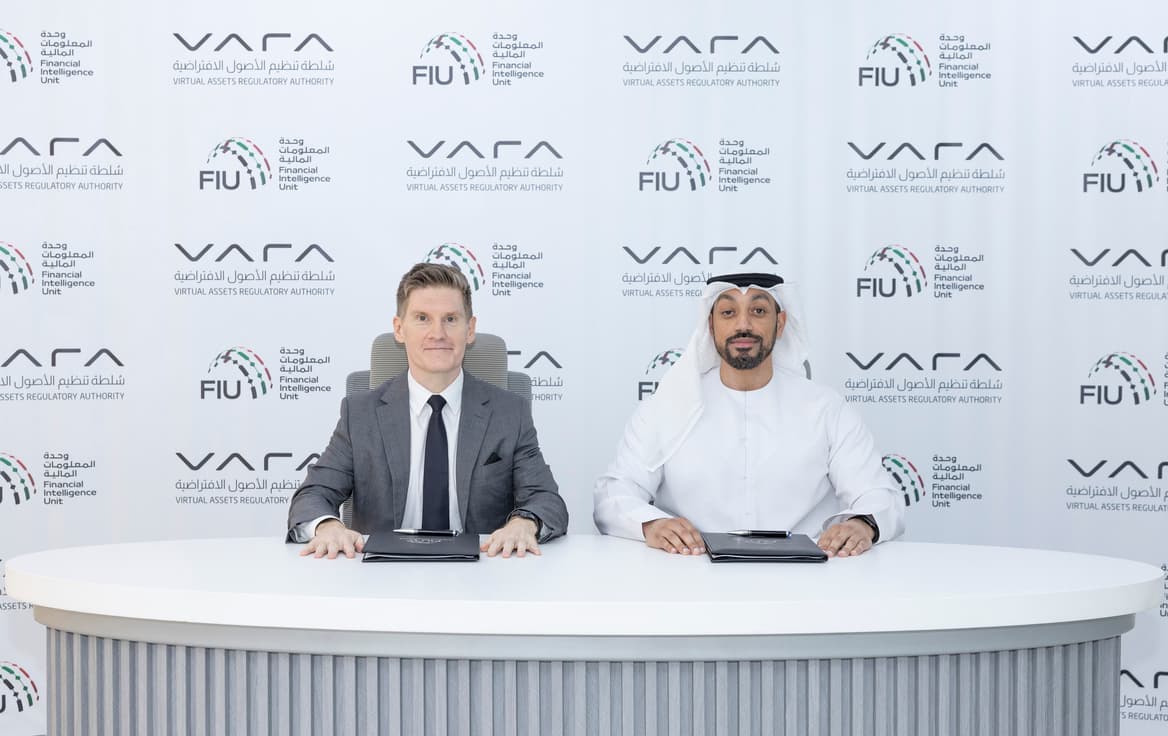
More recently,Payward secured preliminary approval from Dubai's Virtual Assets Regulatory Authority (VARA) to provide broker-dealer, investment and management services in the UAE. The authorization supports Kraken's planned expansion in Dubai, where the company intends to offer spot trading, margin trading, OTC services, staking and institutional products through a locally regulated entity.
Kraken's latest licensing effort also aligns with a broader trend across the Middle East, where global digital asset firms are increasingly combining regional regulatory approvals with international financial licenses.
Dubai's VARA has continued attracting exchanges, custodians and digital asset infrastructure providers through its licensing framework, reinforcing the emirate's position as a regional hub for regulated virtual asset activity. Recent approvals for firms including Rain, CoinCorner and several custody and tokenization providers illustrate how the UAE is becoming part of a wider global regulatory network rather than a standalone crypto market.
Against that backdrop, Kraken's pursuit of a European banking license complements—not replaces—its expansion strategy in the UAE. Together, the moves suggest the company is building a network of regulated entities capable of serving institutional and retail clients across multiple jurisdictions while bridging digital asset services with traditional banking infrastructure.

Disclaimer of Warranty
The information provided in this article is for general informational purposes only. We make no warranties about the completeness, reliability, and accuracy of this information. Read full disclaimer

Editor's Picks

When Assets Move—or Stop—Without Consent: The Limits of Crypto Wallet Control

Walid Abou Zaki

Sep 29, 2026

6 min

Where Do the Dollars Behind the UAE’s Crypto Economy Sit?
Anna K.
Sep 21, 2026
9 min

As U.S. Crypto Legislation Stalls, Circle Launches Its Own Financial Network
Walid Abou Zaki
Sep 16, 2026
9 min
Read More Articles

In the Same Space

ADGM Puts DLT Foundation Audits and Disclosure in Focus
Walid Abou Zaki
Sep 23, 2026
7 min

ECB Seeks Changes to MiCA Stablecoin Reserve Rules
News Desk
Sep 23, 2026
3 min

Rakbank Islamic Explains Shari’ah Framework Behind Bitcoin Service
Salma Naueihed
Sep 30, 2026
4 min

The Gulf to Tokenize $500 Billion in Assets by 2030. Who Gets Them On-Chain?
Anna K.
Sep 30, 2026
6 min