
Advertisement
Web3 & Development
Share
The metaverse refers to the theoretical notion that individuals will be embodied by 3D representations of themselves in their digital experiences in the future.
To keep up with technological advancements, Interpol has created its own VR environment, where users can engage in training sessions and participate in virtual gatherings.
According to Mr. Stock, criminals have a knack for quickly adapting to any new technological advancement in order to carry out their illegal activities. He believes that law enforcement agencies, along with lawmakers and society as a whole, must keep pace with these changes.
If they fall behind, trust in the tools used to prevent crime could be impacted, leading to a similar situation as seen in existing virtual platforms where criminals are already active.
To prepare for this future, Interpol has created a secure VR environment for police officers to simulate the metaverse and understand the potential for criminal activities and how they could be addressed.
Dr. Madan Oberoi, the head of technology and innovation at Interpol, acknowledges that there are challenges in determining what constitutes a crime in the metaverse.
He acknowledges cases of reported sexual harassment, but questions whether they can be considered a crime in this virtual space. This is because there are difficulties in applying definitions of crimes in physical reality to the metaverse.
Raising awareness of these issues is a significant challenge for the Interpol; Dr. Oberoi uses the analogy that just like one needs to know how to swim in order to save a drowning person, law enforcement must understand the metaverse to be able to help those who are affected by crimes within it.
Thus, increasing the awareness and involvement of law enforcement personnel in the metaverse is crucial and one of Interpol's objectives.
Nina Jane Patel, co-founder and head of metaverse research organization Kabuni, believes that actions that are illegal and harmful in the physical world should also be prohibited in the virtual synthetic world.
She argues that the merging of the two worlds will lead to confusion and misunderstandings if different standards of behavior are accepted in each world.
On the other hand, Mr. Stock emphasized the critical role of the Interpol in investigating crimes in the metaverse. He noted that cybercrime is inherently international and that no single country can effectively combat it on its own.
He stressed that the Interpol, with its 195 member countries, is crucial in this regard as almost all cybercrime cases have an international dimension.

Disclaimer of Warranty
The information provided in this article is for general informational purposes only. We make no warranties about the completeness, reliability, and accuracy of this information. Read full disclaimer

Editor's Picks

As U.S. Crypto Legislation Stalls, Circle Launches Its Own Financial Network

Walid Abou Zaki

Sep 16, 2026

9 min

Stablecoin Yield Fight Helps Derail CLARITY Act in Senate
Walid Abou Zaki
Sep 15, 2026
8 min
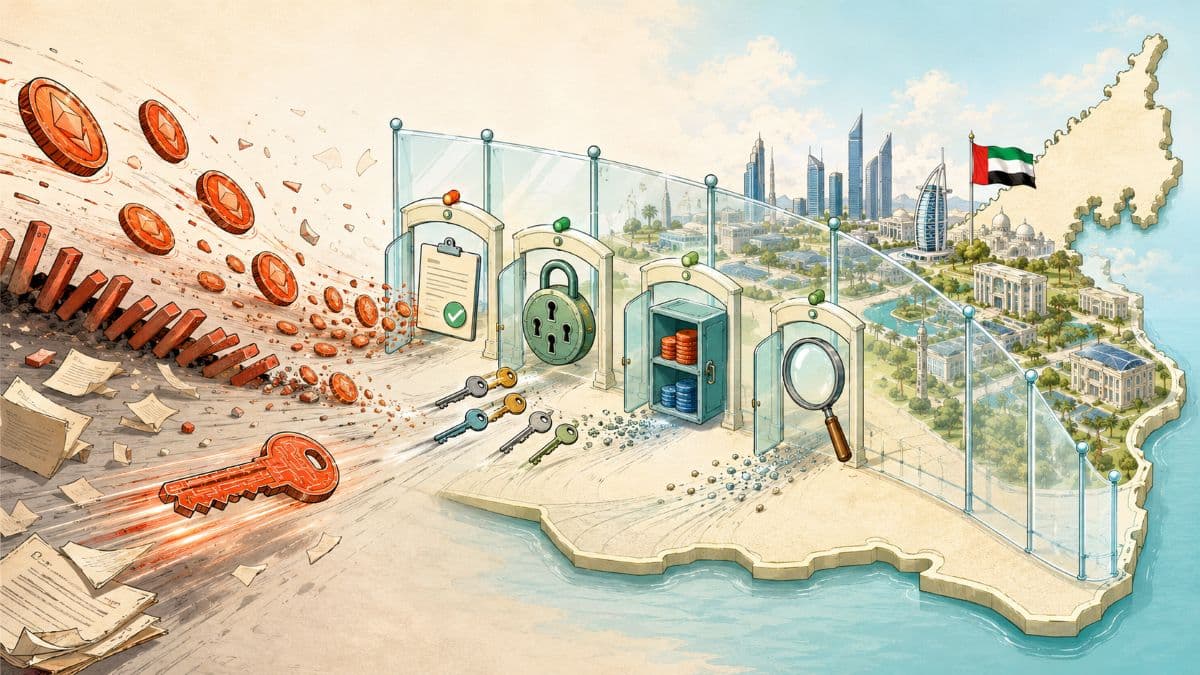
Why Zondacrypto’s Collapse Would Unfold Differently in the UAE
Walid Abou Zaki
Aug 28, 2026
8 min
Read More Articles

In the Same Space

Hong Kong Prepares 24/7 CBDC Settlement System for Tokenized Deposits
News Desk
Sep 18, 2026
3 min

Glamsterdam Test Date Set: Can Ethereum Stop Fake-ID Block Hackers?
News Desk
Sep 18, 2026
3 min

JPMorgan Predicts Bitcoin Rally Against Gold Amid Shifting ETF Strategies
News Desk
Sep 18, 2026
3 min
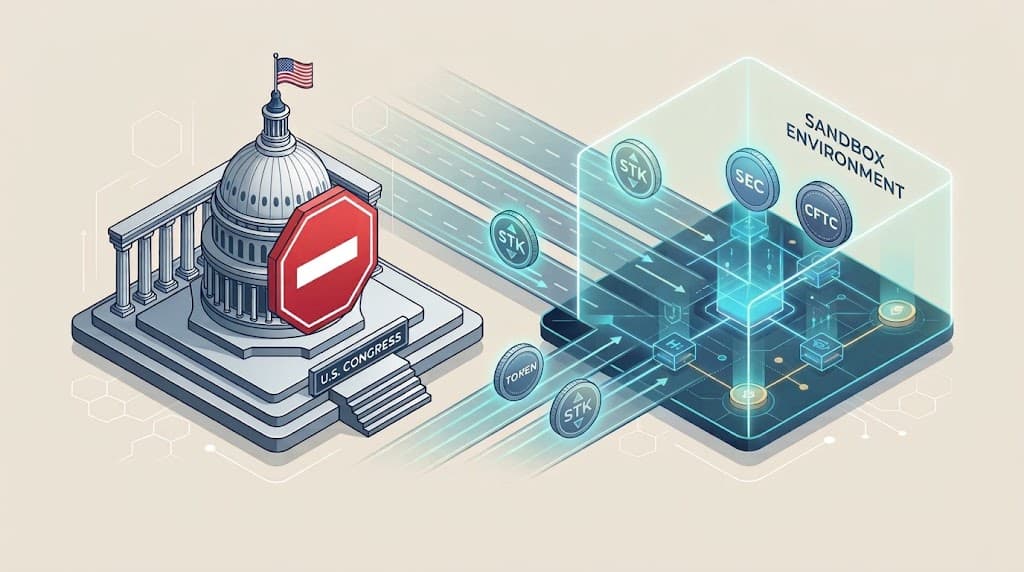
CLARITY Stalled. U.S. Crypto Regulation Didn’t.
Salma Naueihed
Sep 18, 2026
7 min