Advertisement
Regulation & Policy
Share
The U.S. crypto industry is undergoing a seismic shift as key regulatory figures step down ahead of President-elect Donald Trump’s inauguration.
Federal Reserve Vice Chair for Supervision Michael Barr announced his resignation effective February 28, signaling what many in the digital asset industry view as a potential pivot toward more favorable policies. Barr will remain a member of the Federal Reserve Board of Governors but attributed his decision to disputes over his supervisory role.
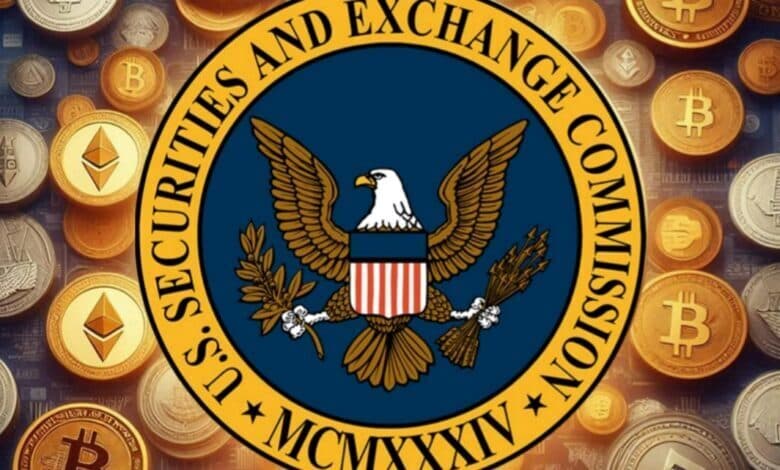
His departure is part of a broader shake-up across federal regulatory agencies. Securities and Exchange Commission (SEC) Chair Gary Gensler, long criticized by the crypto industry for his enforcement-heavy approach, will also step down on January 20.
Similarly, SEC Commissioner Jaime Lizárraga and Enforcement Director Gurbir Grewal are exiting their roles, marking the end of an era widely seen as hostile to digital assets.
These resignations have been welcomed by many in the crypto space. Samuel Armes, founder of the Florida Blockchain Business Association, called Barr’s departure “a huge win,” citing the need to remove appointees tied to the Biden administration’s policies. The crypto industry has often accused federal regulators of pressuring banks to sever ties with digital asset firms, leading to challenges in accessing essential financial services.
While Barr’s critics, including Patrick Liou of Gemini, blame him for contributing to the "de-banking" of crypto businesses, his exit coincides with a rising sense of optimism.
Also, Ripple CEO Brad Garlinghouse noted a significant shift in sentiment among traditional finance (TradFi) leaders since Trump’s election victory. Ripple, which provides blockchain infrastructure for financial institutions, reported signing more new clients in the six weeks following the election than in the previous six months combined.
“This is not just about crypto prices,” Garlinghouse said, emphasizing the industry’s recovery. “It’s measured by hiring, contracts signed, and real economic growth.” Ripple, for instance, is now hiring for 70 new U.S.-based positions, reversing its previous trend of focusing on offshore roles due to regulatory uncertainty.
Trump has also signaled a strong commitment to the digital asset industry. His transition team is assembling the first White House Crypto Council, a working group led by venture capitalist David Sacks, to advise on policy and legislation. These developments are seen as laying the foundation for a friendlier regulatory environment that encourages innovation and investment.
Despite this optimism, challenges remain. Experts like NYU Stern’s Austin Campbell warn that reshaping U.S. banking regulators’ approach to digital assets will require significant effort. Federal agencies such as the Department of Treasury and the IRS also play critical roles in shaping the future of the industry.
With the new administration preparing to take office, the crypto community is watching closely, hopeful that these leadership changes mark the beginning of a more collaborative and forward-thinking era for digital assets in the United States.

Disclaimer of Warranty
The information provided in this article is for general informational purposes only. We make no warranties about the completeness, reliability, and accuracy of this information. Read full disclaimer

Editor's Picks

Binance After the $6.3B Hack: A Turning Point for the Exchange

Walid Abou Zaki

Nov 2, 2026

10 min

“One Financial System”: What OKX’s New Investors Are Backing
Walid Abou Zaki
Oct 8, 2026
6 min

When Assets Move—or Stop—Without Consent: The Limits of Crypto Wallet Control
Walid Abou Zaki
Sep 29, 2026
6 min
Read More Articles

In the Same Space

What If Courts Could Freeze Crypto Assets With a Ruling? Dubai Has a Plan
News Desk
Nov 9, 2026
9 min

Hyperliquid Strategies Seeks US License to Offer Regulated Perpetual Futures
News Desk
Nov 6, 2026
5 min

Greek Parliament Passes 10% Crypto Gains Tax With €500 Annual Exemption
News Desk
Nov 6, 2026
7 min

France’s Budget Rejection Removes Crypto Tax Amendments
News Desk
Nov 5, 2026
4 min