Regulation & Policy
Share
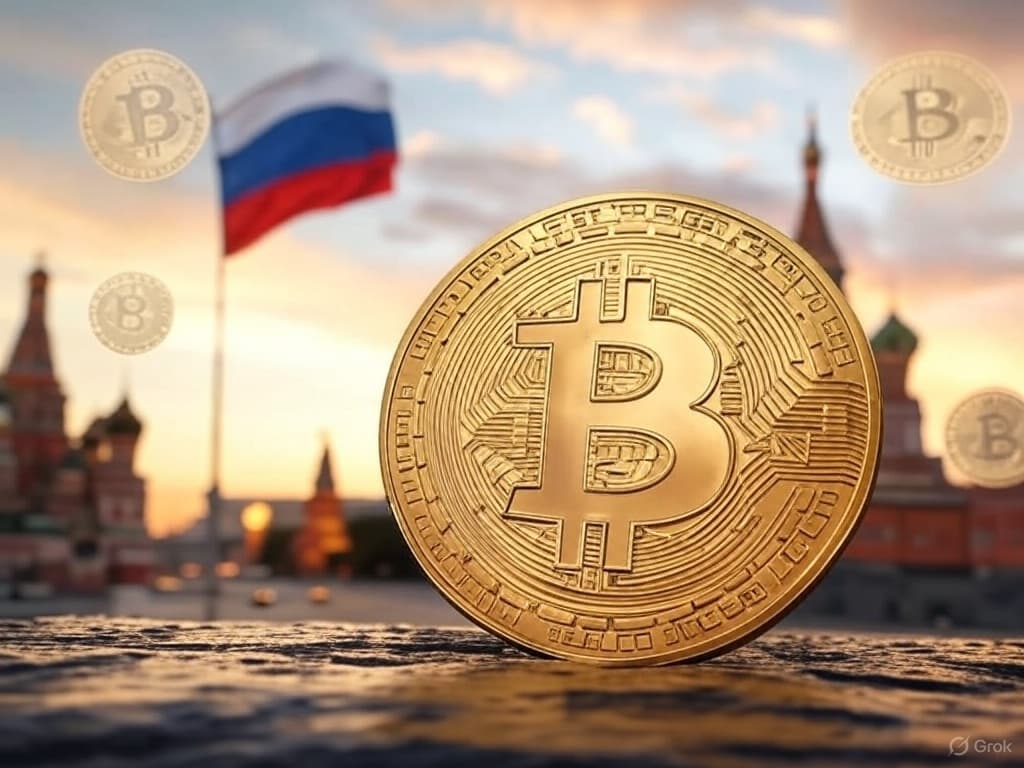
Russian authorities are preparing to tighten penalties for illegal cryptocurrency mining, signaling a shift from administrative fines toward potential criminal prosecution.
The proposal, introduced by Russia’s Ministry of Justice, would impose tougher sanctions on individuals and groups involved in unauthorized digital asset mining. If adopted, the measures could include fines of up to 1.5 million rubles, compulsory labor for up to two years, and prison sentences of up to five years in cases involving large-scale or organized operations.
Russia formally legalized cryptocurrency mining in 2024, introducing requirements for commercial registration and placing restrictions on mining activity in energy-constrained regions. Despite the regulatory framework, unregistered mining operations have continued — often linked to electricity theft or activity in areas subject to power usage bans.
Authorities argue that such operations place strain on regional electricity grids and contribute to tax losses. The new legislative initiative represents a clear escalation from earlier administrative penalties, reflecting a stricter enforcement stance.
Under the proposed structure, smaller-scale violations could still result in fines ranging from 500,000 to 1.5 million rubles or prison terms of up to two years. More severe penalties, including sentences of up to five years — would apply to mining operations generating substantial profits or involving organized groups.

Disclaimer of Warranty
The information provided in this article is for general informational purposes only. We make no warranties about the completeness, reliability, and accuracy of this information. Read full disclaimer
Illegal crypto mining has reportedly contributed to power shortages in several regions, including Irkutsk, where seasonal demand peaks have intensified pressure on infrastructure. Officials estimate that unauthorized mining consumes billions of kilowatt-hours annually.
In response, the government has previously introduced temporary mining bans in electricity-deficit regions during peak winter periods. Enforcement measures have included shutting down large-scale mining facilities and detaining individuals accused of facilitating illegal grid connections.
Current penalties already allow for fines of up to two million rubles and the confiscation of mining equipment. However, regulators say those measures have not sufficiently curbed underground operations, prompting consideration of harsher criminal sanctions.
The proposal reflects Russia’s broader dual-track approach to digital assets: encouraging regulated cryptocurrency activity while cracking down on violations that threaten economic or energy stability.
As of December 30, 2025, the draft legislation remains in its early stages and may be revised following consultations with government agencies and industry stakeholders. If enacted, the changes would mark one of the most stringent enforcement regimes targeting unauthorized crypto mining among major economies.
The move underscores Moscow’s intent to balance economic opportunity in the digital asset sector with tighter oversight of activities deemed harmful to public infrastructure.



Editor's Picks

Franklin Templeton’s 250 Digital Deal Signals a Shift Toward Active Crypto Management

Walid Abou Zaki

Apr 1, 2026

5 min
VARA Introduces Virtual Asset Derivatives Framework As Dubai Deepens Market Maturity
Walid Abou Zaki
Mar 31, 2026
7 min

Crypto-Collateral Mortgage Gap Signals Future Opportunity for Dubai
Walid Abou Zaki
Mar 28, 2026
7 min
Read More Articles

In the Same Space

UAE Digital Asset Regulations Move Into More Complex Ground With New CMA Rules
Walid Abou Zaki
Apr 2, 2026
6 min

Beyond the Noise, the UAE Is Still Building
Walid Abou Zaki
Apr 1, 2026
6 min
VARA Introduces Virtual Asset Derivatives Framework As Dubai Deepens Market Maturity
Walid Abou Zaki
Mar 31, 2026
7 min

Maxine Waters Requests Clarity on Kraken Federal Reserve Account
Chantal Assi
Mar 27, 2026
3 min