Regulation & Policy
Share
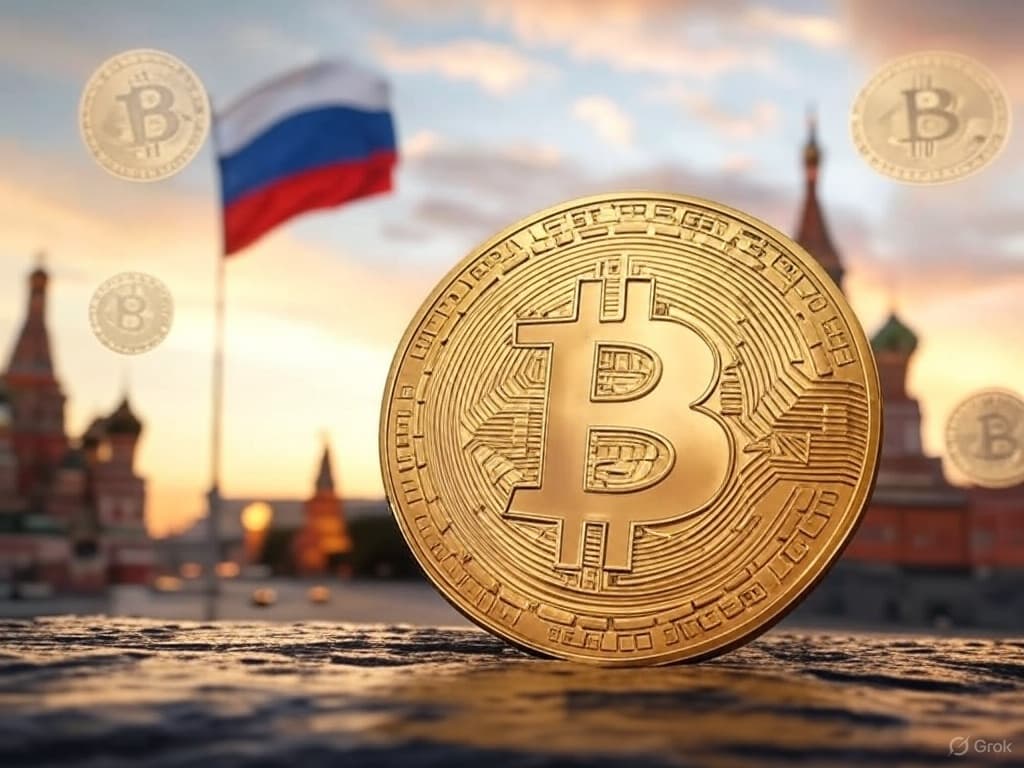
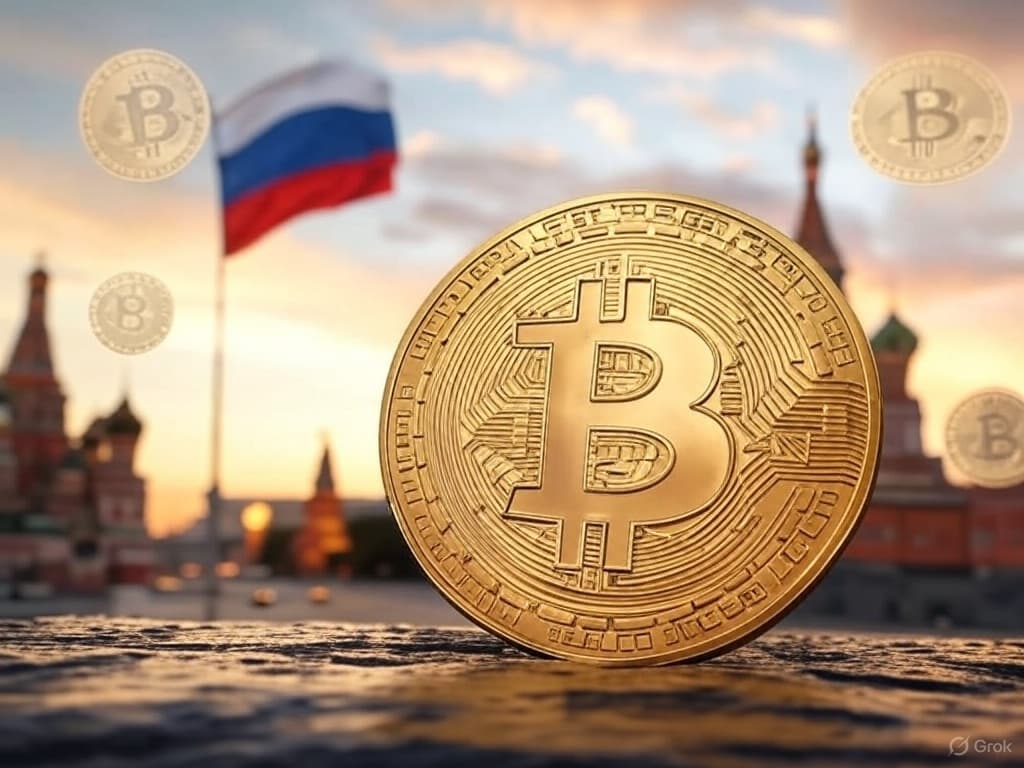
The European Union is considering a ban on all cryptocurrency transactions involving Russia as part of a broader effort to prevent Moscow from using digital assets to circumvent international sanctions, according to a document reviewed by the Financial Times.
The proposal would expand existing sanctions by targeting “copycat” Russian crypto entities formed after enforcement actions against previously sanctioned platforms. EU officials allege that these entities are facilitating crypto-based activity linked to Russia’s war effort in Ukraine.
The measures are intended to prevent the emergence of successor platforms to Garantex, a Russia-linked cryptocurrency exchange sanctioned by the EU last year. The United States has also sanctioned Garantex, redesignating the exchange in 2024.

Disclaimer of Warranty
The information provided in this article is for general informational purposes only. We make no warranties about the completeness, reliability, and accuracy of this information. Read full disclaimer
According to blockchain intelligence firm TRM Labs, Garantex — along with Iran-based exchange Nobitex — accounted for more than 85% of crypto inflows to sanctioned entities and jurisdictions in 2024. The U.S. Treasury Department’s Office of Foreign Assets Control has said that most funds sent to Garantex originated from other cryptocurrency exchanges associated with criminal activity.
The EU proposals also extend beyond digital assets, with Kyrgyzstan identified as a jurisdiction of concern. The document cited by the FT alleges that companies in Kyrgyzstan have exported dual-use goods to Russia, including electronics used in drones and weapons systems.
Trade data included in the document shows that imports of high-priority goods from the EU to Kyrgyzstan increased nearly 800% following the start of the war in Ukraine, while exports from Kyrgyzstan to Russia rose more than 1,200%. EU officials said the figures point to a “particularly high risk of circumvention” of existing sanctions.
If adopted, the measures would require unanimous approval from all 27 EU member states. According to the FT, at least three member countries have expressed reservations about a blanket ban on crypto transactions with Russia.


Editor's Picks
Franklin Templeton’s 250 Digital Deal Signals a Shift Toward Active Crypto Management

Walid Abou Zaki

Apr 1, 2026

5 min
VARA Introduces Virtual Asset Derivatives Framework As Dubai Deepens Market Maturity
Walid Abou Zaki
Mar 31, 2026
7 min

Crypto-Collateral Mortgage Gap Signals Future Opportunity for Dubai
Walid Abou Zaki
Mar 28, 2026
7 min
Read More Articles

In the Same Space

US Push to Legalize Crypto Mining as Part of Bitcoin Reserve Strategy
News Desk
Mar 31, 2026
4 min

Beyond the Noise, the UAE Is Still Building
Walid Abou Zaki
Apr 1, 2026
6 min
Maxine Waters Requests Clarity on Kraken Federal Reserve Account
Chantal Assi
Mar 27, 2026
3 min

David Sacks Exits White House Crypto Role as Key Legislation Remains Pending
News Desk
Mar 27, 2026
3 min