
Advertisement
Regulation & Policy
Share
A New York senator has introduced a proposal for a crypto task force to assess the current landscape of cryptocurrencies and digital currencies in the state.
The New York State Cryptocurrency and Blockchain Study Act, presented by State Senator James Sanders Jr. on February 12, aims to create a 17-member task force to investigate the impact of widespread cryptocurrency use and related systems.
The task force would examine the state of crypto in New York, including the number of digital currencies in circulation, the number of exchanges operating in the state, and the impact of crypto on state and local tax revenues. Additionally, the bill highlights an investigation into the environmental impact, energy consumption, and how New York's regulations compare to other jurisdictions as key areas of focus.
If enacted, the bill would require the appointment of task force members within 90 days, with a report on findings to be submitted to the governor and legislature by December 15, 2027. The report would also include recommendations for legislative and regulatory measures to enhance transparency, security, consumer protection, and address long-term consequences of cryptocurrency use.
Currently, the bill is under committee review. For the proposal to become law, it must pass through debates and votes in both the assembly and senate.
New York has long been seen as a hub for the crypto industry, though its BitLicense program, established in 2015, has faced criticism for being overly restrictive. Crypto businesses must obtain a BitLicense from the New York Department of Financial Services to operate in the state, but critics argue that the program’s high licensing fees and stringent Anti-Money Laundering (AML) and Know Your Customer (KYC) compliance requirements are burdensome.
Meanwhile, more than 20 U.S. states are considering crypto-related legislation, with Arizona and Utah pushing bills beyond the committee stage, according to Bitcoin Reserve Monitor. Asset manager VanEck suggests that if all proposed bills were to pass, they could generate $23 billion in demand for Bitcoin.
In addition, over 100 public entities, including governments and private companies, have started acquiring Bitcoin, seeing it as a hedge against inflation, according to data from BitcoinTreasuries.NET.

Disclaimer of Warranty
The information provided in this article is for general informational purposes only. We make no warranties about the completeness, reliability, and accuracy of this information. Read full disclaimer

Editor's Picks

Why Zondacrypto’s Collapse Would Unfold Differently in the UAE

Walid Abou Zaki

Aug 28, 2026

8 min

The Missing Orchestration Layer Holding Back Institutional Digital Assets
Julian Sawyer
Aug 18, 2026
5 min

Beyond Crypto Access: How ARP Digital Is Building the UAE’s Digital Capital Infrastructure
Anna K.
Aug 17, 2026
8 min
Read More Articles

In the Same Space

CFTC Seeks Dismissal of CME Challenge to Kalshi Bitcoin Perpetuals
News Desk
Sep 3, 2026
4 min
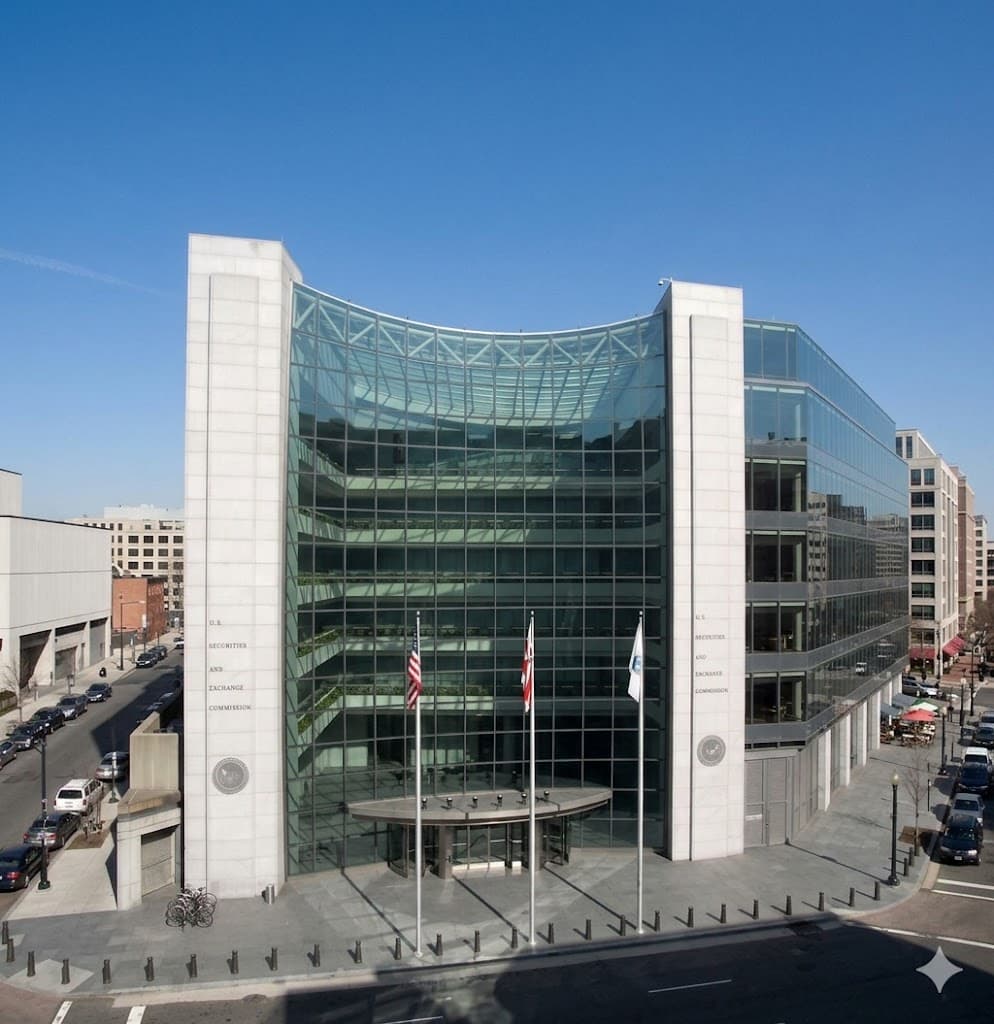
SEC Moves to Modernize U.S. Markets With 24/7 Trading and Blockchain Rules
News Desk
Sep 2, 2026
3 min

Binance Transaction Restrictions Now Cover Indirect Exposure
Walid Abou Zaki
Sep 2, 2026
7 min

UK Tax Data Shows £1.38B in Crypto Gains From 17,600 Investors
News Desk
Aug 28, 2026
6 min