
Advertisement
Companies & Deals
Share
Brazil is taking bold steps toward modernizing its digital identity verification systems by harnessing blockchain technology. The government's initiative is driven by a desire to enhance security, efficiency, and the overall user experience for its citizens.
The Brazilian government is leading the charge in this transformation, with Rio de Janeiro, Goiás, and Paraná leading the way. Serpro, the country's national data processing service, is taking the lead in developing a private blockchain platform to support the revenue service's shared registry, known as b-Cadastros.
This blockchain network will facilitate the search, issuance, and modification of new identification cards and tax registration numbers.
Alexandre Amorim, the president of Serpro, underscores the critical role of blockchain technology in Brazil's digital identification project, highlighting its immutability and decentralization as key features.
At the heart of this effort is the National Civil Identity Card (ICN), a technologically advanced replacement for Brazil's traditional paper ID cards. The primary goal of this project is to centralize the nation's civil identification system and use the ICN database for user authentication when accessing online public services.
The new ICN card is a plastic card that allows users to generate a secure digital version, complete with a printed QR code for validation.
Beyond individual security and convenience, Brazil's national ID project holds strategic importance in combating organized crime, promoting intergovernmental collaboration, simplifying service access, and streamlining administrative records.
Moreover, adopting blockchain technology facilitates data exchange among government departments, such as the Federal Revenue, a significant step toward unifying identity issuance across Brazil's nearly 30 states.
In parallel, Buenos Aires, Argentina, has launched a similar initiative that enables residents to access essential identity documents, such as birth certificates, marriage records, and academic verifications, through a digital wallet.
This project relies on QuarkID, developed by the Web3 firm Extrimian, and leverages zkSync Era, an Ethereum scaling protocol based on zero-knowledge rollups.
Guillermo Villanueva, CEO of Extrimian, emphasizes the monumental significance of this development for Latin American governance, highlighting its potential to set a benchmark for integrating blockchain technology for the public good.

Disclaimer of Warranty
The information provided in this article is for general informational purposes only. We make no warranties about the completeness, reliability, and accuracy of this information. Read full disclaimer

Editor's Picks

As U.S. Crypto Legislation Stalls, Circle Launches Its Own Financial Network

Walid Abou Zaki

Sep 16, 2026

9 min

Stablecoin Yield Fight Helps Derail CLARITY Act in Senate
Walid Abou Zaki
Sep 15, 2026
8 min
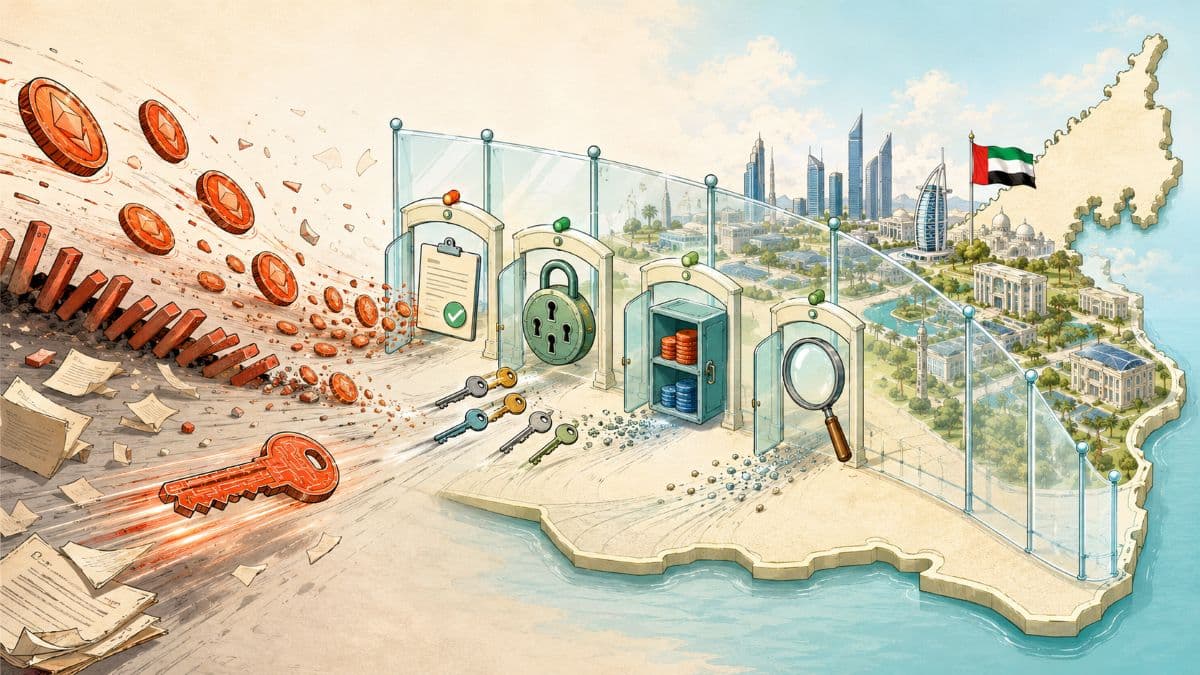
Why Zondacrypto’s Collapse Would Unfold Differently in the UAE
Walid Abou Zaki
Aug 28, 2026
8 min
Read More Articles

In the Same Space

Hong Kong Prepares 24/7 CBDC Settlement System for Tokenized Deposits
News Desk
Sep 18, 2026
3 min

Glamsterdam Test Date Set: Can Ethereum Stop Fake-ID Block Hackers?
News Desk
Sep 18, 2026
3 min

JPMorgan Predicts Bitcoin Rally Against Gold Amid Shifting ETF Strategies
News Desk
Sep 18, 2026
3 min
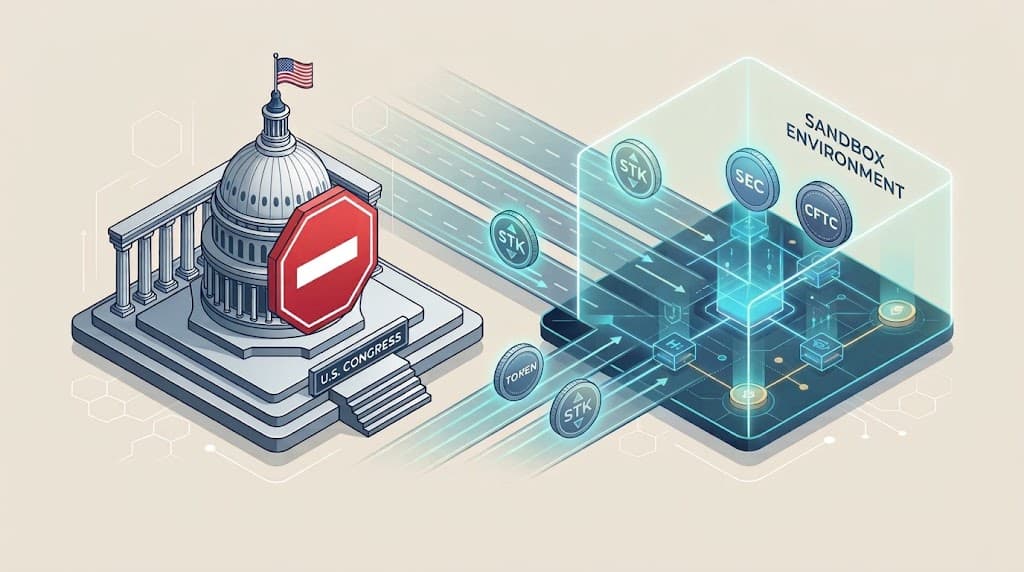
CLARITY Stalled. U.S. Crypto Regulation Didn’t.
Salma Naueihed
Sep 18, 2026
7 min