Advertisement
Tokenization & RWA
Share
SS
Director of FinTech & Financial Services • PwC Legal Middle East


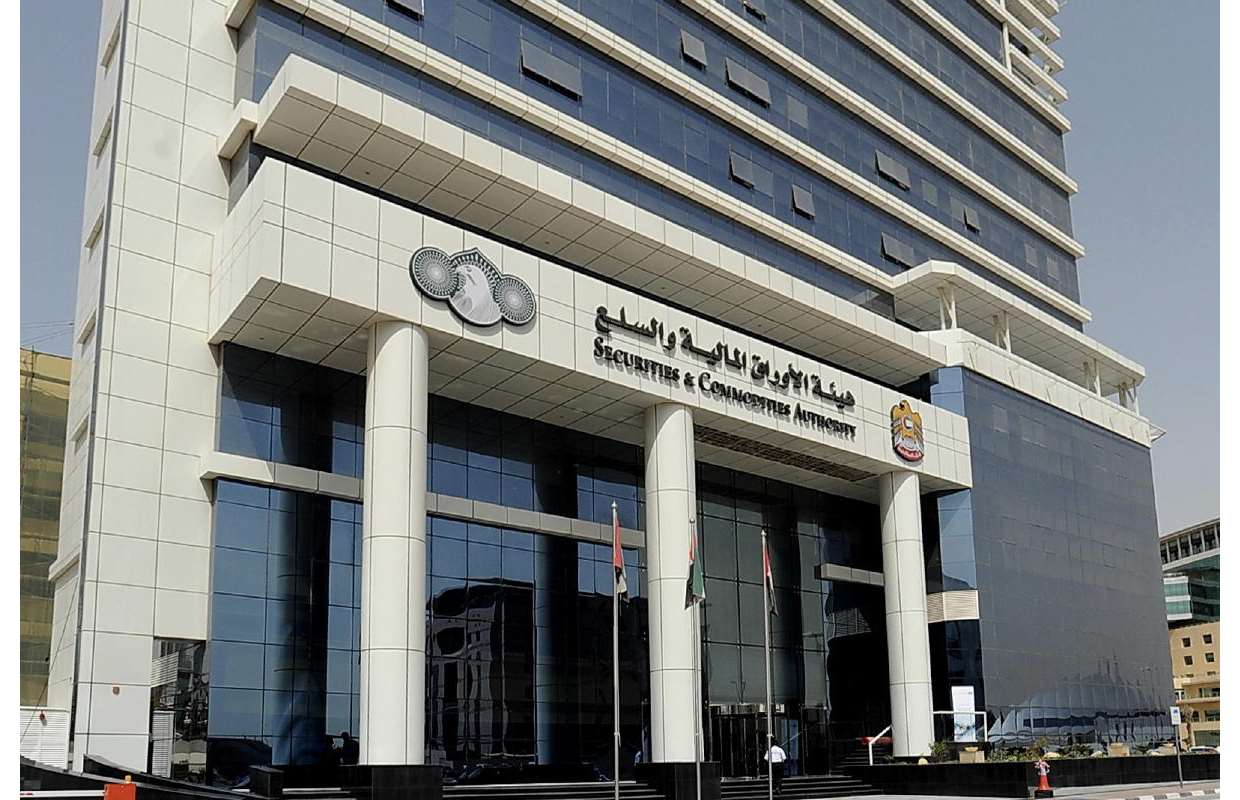
The UAE Securities and Commodities Authority (SCA) is seeking public feedback on a proposed amendment to its Rulebook that would formally permit the sale and purchase of fractionalized bonds and sukuk.
Released on 4 June 2025, the public consultation marks a pivotal step in the country’s drive to enhance retail and digital investor access to financial markets. If enacted, the regulation would give financial product dealers a framework to conduct these fractional transactions—laying the groundwork for broader inclusion and innovation in the UAE's capital markets.
This move aligns with the UAE’s broader strategy to modernize financial regulation, particularly around tokenized assets, fintech platforms, and digital financial products.
The proposed clause would be added to Article (2) of Section 3 (Business Conduct) and outlines key requirements for financial product dealers facilitating fractionalized bond/sukuk transactions. These include:
The new clause would be added to Article (2) of Section 3 (Business Conduct) and outlines key responsibilities for financial product dealers facilitating fractionalized bond or sukuk transactions. These include:
A preliminary review of the proposal, benchmarked against international practices in tokenized or fractional fixed-income products, highlights several technical issues that merit further consideration.
The proposed framework does not clarify whether the fractional interest constitutes a contractual entitlement, a beneficial interest held via trust, or a tokenized security. This has significant implications for enforceability, bankruptcy remoteness, and investor rights.
In the UK, platforms such as WiseAlpha operate via trust structures that hold the underlying bonds on behalf of fractional investors. In the US, platforms like Securitize issue tokenized notes governed under Reg D or Reg A+ exemptions, where the legal form is clearly defined.
The draft does not specify which categories of regulated entities may facilitate fractionalized offerings. It is unclear whether Virtual Asset Platform Operators (VAPOs) licensed under other regimes would qualify, nor whether cross-border licensed platforms may participate.
In Singapore, tokenized bonds may be distributed by Recognised Market Operators (RMOs) or exempted issuers under the Securities and Futures Act, with clear demarcations for investor suitability and licensing tiers.
The proposal is silent on how fractional interests should be held, safeguarded, and reconciled. Most international frameworks require either:
Malaysia’s SC and Bahrain’s CBB both require custodial oversight and/or trustee intermediation in similar products.
Where fractional sales are paired with market-making functions, redemption guarantees, or liquidity facilities, the issuer or operator assumes counterparty risk. Internationally, this is addressed through:
While the underlying sukuk may have been certified as Shari’ah-compliant, the fractionalization structure — especially if delivered via SPV, token, or custodial note — introduces new legal and commercial characteristics.
Under AAOIFI Shari’ah Standard No. 17 (Investment Sukuk), any change to ownership structure or transfer mechanism may necessitate a new fatwa.
Malaysia’s Shari’ah Advisory Council (SAC) mandates separate approvals for sukuk crowdfunding platforms, even where the underlying instruments are certified.
The proposed amendment sits solely within the Business Conduct section. To ensure regulatory coherence, corresponding updates may be required in:
The consultation represents a promising step forward in enabling more inclusive, tech-forward access to capital markets in the UAE. However, for the regime to be effective and protective of investors, additional clarifications around legal structure, platform eligibility, custody, and Shari’ah oversight will be critical.
Industry stakeholders have until June 19, 2025 to submit feedback to the SCA. Platform operators, broker-dealers, issuers, fintech founders, and Shari’ah scholars are encouraged to contribute feedback during the public consultation period to help shape a well-calibrated, future-ready framework.

Disclaimer of Warranty
The information provided in this article is for general informational purposes only. We make no warranties about the completeness, reliability, and accuracy of this information. Read full disclaimer

Editor's Picks
In the Same Space

Robinhood Plans Dubai Launch in 2027 After DFSA Authorization

Walid Abou Zaki

Oct 22, 2026

4 min
VARA Grants Bybit License for Spot Trading in Dubai
Walid Abou Zaki
Oct 22, 2026
6 min

Crypto Ads in the UAE Face New Google Rules Starting October 21
News Desk
Oct 20, 2026
4 min

Standard Chartered Extends Crypto Trading to UAE Wealth Clients
News Desk
Oct 14, 2026
3 min