Regulation & Policy
Share
The global crypto market saw renewed optimism on Sunday, buoyed by geopolitical and regulatory developments from the United States and Asia.
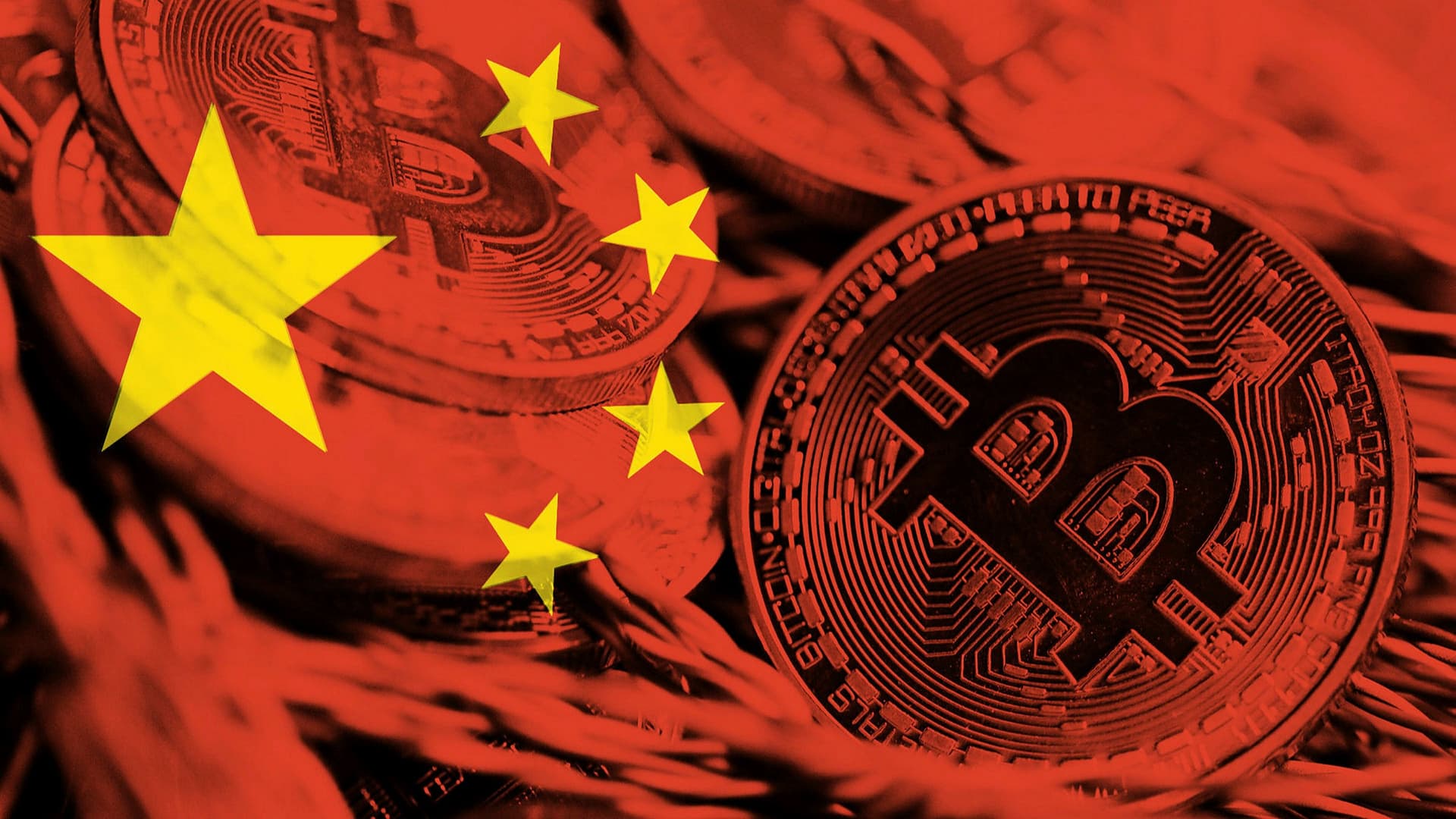
U.S. President Donald Trump confirmed plans to meet with Chinese President Xi Jinping at the upcoming Asia-Pacific Economic Cooperation (APEC) summit in Seoul on October 31. The announcement marks a reversal from earlier remarks suggesting Trump would skip the event.
“We’re going to meet in a couple of weeks in South Korea with President Xi and other leaders,” Trump said in an interview with Fox News’ Maria Bartiromo, describing Xi as “a very strong leader” with “an amazing story.”
The news injected optimism into crypto markets, as investors interpreted the meeting as a sign of easing trade tensions between the two largest economies. Historically, signs of diplomatic progress have boosted appetite for risk assets, including Bitcoin and other cryptocurrencies.
Japan’s Financial Services Agency (FSA) is reportedly weighing reforms that could permit banks to hold cryptocurrencies such as Bitcoin on their balance sheets, a major shift from existing policy.
According to a report from Livedoor News, the FSA will discuss potential rule changes during an upcoming Financial Services Council meeting. The proposal seeks to align crypto asset management rules with those governing traditional investment instruments like equities and bonds.
The current supervisory framework, established in 2020, prevents Japanese banks from owning crypto due to its price volatility and associated risks. Should the new plan move forward, the FSA is expected to require strict capital and risk-management controls to safeguard financial institutions from potential exposure.
A regulatory shift of this magnitude could mark a major milestone for Japan’s banking sector, signaling growing confidence in digital assets as part of mainstream finance.
Meanwhile, Tornado Cash developer Roman Storm has warned open-source software builders of possible retroactive prosecution by U.S. authorities.
In a post on X, Storm questioned whether decentralized finance (DeFi) developers could be charged as “money service businesses” for creating non-custodial protocols, systems that do not directly manage user funds.
“If the Southern District of New York can charge a developer for building a non-custodial protocol, who is safe?” Storm wrote, referencing his own ongoing legal case with the Department of Justice (DOJ).
The outcome of Storm’s case could set a precedent for how regulators interpret accountability in open-source development, with potential consequences extending far beyond the crypto sector.
In summary, Sunday’s developments reflected the crypto industry’s ongoing balancing act between political signals and regulatory scrutiny. Optimism surrounding U.S.–China relations and Japan’s potential policy reform brought a welcome boost to market sentiment, while debates over developer liability underscored the continued uncertainty facing the decentralized ecosystem.

Disclaimer of Warranty
The information provided in this article is for general informational purposes only. We make no warranties about the completeness, reliability, and accuracy of this information. Read full disclaimer

Editor's Picks

Crypto Is Growing Up: The End of Hype and the Return of Reality

Walid Abou Zaki

Jun 7, 2026

5 min
HTX Sanctioned by UK Years After UNLOCK Blockchain and VAF Compliance Exposed Red Flags
Anna K.
Jun 2, 2026
5 min

Bitcoin’s Institutional Absorption Cycle Deepens as Fed Hold Tests Market Momentum
Salma Naueihed
Apr 30, 2026
4 min
Read More Articles

In the Same Space

Nearly 19% of Bitcoin Supply Is Now Controlled by Institutions, Holdings Reach 3.88M BTC
News Desk
Jun 1, 2026
5 min
Sanders and Warren Urge Labor Department to Reject Crypto 401(k) Rule
News Desk
Jun 3, 2026
3 min
Blockchain Association Letter Backs Clarity Act Ahead of Senate Vote
News Desk
Jun 3, 2026
3 min
Digital Chamber Leads New Effort to Pass CLARITY Act
News Desk
May 29, 2026
5 min