Advertisement
Regulation & Policy
Share

IH
Managing Partner • NeosLegal


As 2024 approaches, the race to secure a coveted Virtual Asset Service Provider (VASP) license in Dubai, also known as a “crypto license,” is intensifying, with over 1000 applications already in the pipeline.
The Dubai Virtual Assets Regulatory Authority (VARA) was established in 2022 and in 2023, issued comprehensive regulations, kickstarting the licensing process. To date, 16 VASPs, including industry giants like OKX, Binance, and Crypto.com, as well as regional pioneers such as CoinMENA, have stepped into this new era, receiving their licenses, either provisionally or operationally.
If you're gearing up to be part of Dubai's dynamic market, now is not the time to hit the pause button. Every moment counts, and thorough preparation is essential.
This article isn't just a guide; it's a catalyst in your journey to navigate VARA's comprehensive regulations and secure your place in Dubai's burgeoning crypto market. For founders and crypto entrepreneurs eyeing a 2024 license, the time to act is now. Let's dive into the details and set you on the path to success.
Established under the ambit of Dubai Law No 4 of 2022 (Dubai VA Law), VARA is tasked with the holistic regulation of virtual assets within Dubai. This autonomous body is equipped with the legal and administrative authority needed to develop investor-protective regulations, combat money laundering as per FATF guidelines, and foster Dubai as a global hub for virtual assets.
VARA’s mandate, as outlined in Articles 5 and 6 of the Dubai VA Law, is extensive. It encompasses not only the development of investor-protective regulations but also the ambitious goal of positioning Dubai as a pivotal player in the digital economy. This involves attracting investments, nurturing companies within Dubai, and expanding financial services to include the unbanked population.
The Dubai VA Law and subsequent Cabinet Decisions No. 111/2022 on the Regulation of Virtual Assets and Their Service Providers and No. 112/2022 on Delegating Certain Competencies related to the Regulation of Virtual Assets delineate VARA’s jurisdiction, which spans across Dubai mainland as well as every 28+ Dubai’s Economic Free Zones, specifically excluding the Dubai International Financial Centre (DIFC) as they have their own Financial Regulator, Dubai Financial Services Authority (DFSA).
To clarify, it should be noted that Economic Free Zones are not authorized to issue “crypto licenses”. Economic Free Zones only facilitate the incorporation of companies through the provision of a business incorporation license. In order to engage in any business activity in the UAE, it is a legal requirement for all businesses, irrespective of whether they are regulated or non-regulated, to obtain a business license.
It is important to bear in mind that this license does not serve as a regulatory document, and if the company is engaged in any regulated activities including Virtual Asset (VA) activities, it must obtain the relevant license to operate in addition to a business license. This can sometimes lead to confusion among founders, so it is essential to understand the distinction between a business license and a regulatory license.
The VARA Regulations outline 7 distinct VA Activities requiring licensure.
When applying for a VASP license, applicants must explicitly identify one or more virtual asset activities they intend to offer from the list of the below seven categories:
VARA acknowledges exemptions for professionals such as lawyers and accountants who incidentally engage in virtual asset activities as part of their professional practice.
VARA adopts a broad definition of virtual assets, encompassing digital representations of value used for exchange, payment, or investment. This includes cryptocurrencies like Bitcoin and Ether, as well as NFTs, offering a wide regulatory purview.
If a company intends to issue its own token, it is imperative to be aware of the Virtual Asset issuance rules established by the Regulator. Recently, VARA updated its Virtual Asset Issuance Rulebook and introduced new requirements for virtual asset issuance.
Currently, if a VASP intends to issue Fiat-Referenced Virtual Assets (FRVA), commonly known as stablecoins, an additional VARA License for VA Issuance is mandatory.
Furthermore, in the event that a VASP issues a token that does not constitute FRVA but possesses certain characteristics set by the Regulator, the company may be required to obtain VARA's approval before proceeding.
As for the issuers of utility tokens, they must register their Whitepaper with VARA at least seven (7) working days before its publication and must comply with all VA Issuance rules.
New VASPs follow a two-stage application process:
Stage 1: Initial Approval
It's important to note that after receiving Initial Approval, the VASP is not yet authorized to provide VA services. They must proceed to Stage 2 of the application process.
Stage 2: VASP License
Upon obtaining a VASP license, firms are required to continuously meet general licensing conditions and comply with all relevant Regulations, Rules, and Directives that may evolve over time. The specific corporate governance and legal structure requirements for VASPs are set out in the VARA Company Rulebook and will depend on the business operations conducted.
The timeline for obtaining a VASP license in Dubai depends on the complexity of the application and the scope of activities proposed. Typically, the process can take more than 12 months. Currently, with over 1000 applications in queue, this timeline might be extended. Applicants should prepare for potential delays and plan accordingly.
Issuance of Privacy coins and all activities related to them are strictly prohibited.
If a proprietary trader invests more than USD 250,000,000 in Virtual Assets during a one-month period, they must register with VARA. How this will be monitored, is unknown.
Conduct Thorough Research and Planning:
Gather and Prepare Required Documentation:
Engage with Legal and Financial Experts:
Apply for Initial Approval and VASP License:
Ensure Ongoing Compliance and Monitoring:
Plan for Timeline and Capacity:
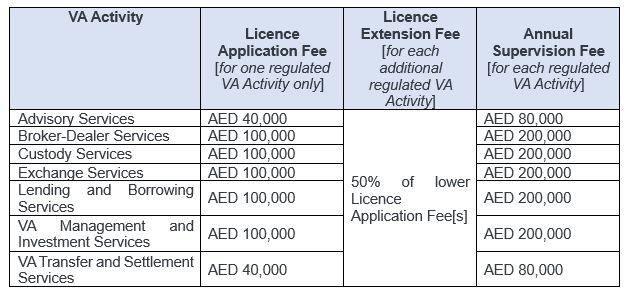
Budget for Licensing and Operational Costs:
For the crypto entrepreneurs navigating VARA’s intricate regulatory landscape is a critical endeavor. The complexity and dynamism of these regulations necessitate the guidance of experienced crypto lawyers. Legal expertise can provide invaluable assistance in achieving compliance and strategic alignment with VARA’s evolving framework.
To capitalize on Dubai’s burgeoning virtual asset market, engaging with a knowledgeable legal partner is not just advisable; it’s essential for success. For this reason, I have dedicated my career to this ever-evolving industry through NEOSLEGAL, an advisory firm empowering entrepreneurs, investors, and governments navigating the dynamic digital assets landscape since 2016, while providing expert legal counsel in Bitcoin, crypto, and Web3 for seamless regulatory compliance and success.

Disclaimer of Warranty
The information provided in this article is for general informational purposes only. We make no warranties about the completeness, reliability, and accuracy of this information. Read full disclaimer

Editor's Picks
In the Same Space

VARA Grants Bybit License for Spot Trading in Dubai

Walid Abou Zaki

Oct 22, 2026

6 min
OCC Finalizes GENIUS Act Rules for Stablecoin Issuers
News Desk
Oct 21, 2026
3 min

Coinbase Among Six Platforms Facing Kazakhstan AIFC Restrictions
News Desk
Oct 21, 2026
3 min

Switzerland Approves First Retail Spot Bitcoin ETF
News Desk
Oct 21, 2026
4 min