
Advertisement
Regulation & Policy
Share
On the 31st of October, a day when pumpkins and costumes take center stage, Gary Gensler, the Chair of the U.S. Securities and Exchange Commission (SEC), decided to join the Halloween spirit and wish Bitcoin a happy birthday in a somewhat whimsical way.
In an X post, he sarcastically mused about the enigmatic creator of Bitcoin, Satoshi Nakamoto. Gensler pondered, "If Satoshi Nakamoto went as Satoshi Nakamoto for Halloween, would we be able to tell?". It was a nod to the enduring mystery surrounding Nakamoto's identity, which has remained a subject of fascination and intrigue for the crypto community.
However, the SEC Chair didn't limit his message to a birthday greeting. In the same tweet, Gensler emphasized the importance of regulatory compliance for crypto companies. He sternly reminded them to adhere to securities laws, leaving no room for ambiguity in his expectations.
Under Gensler's leadership, the SEC has intensified its scrutiny of the digital asset industry, taking legal action against major players like Binance, Coinbase, and Kraken.
One of the SEC's primary concerns is the alleged sale of unregistered securities by many crypto companies, and they have taken steps to address these issues head-on.
Gensler has faced criticism from industry leaders and lawmakers for a perceived lack of clarity in rules. Critics argue that Gensler's approach leans heavily on regulatory enforcement, potentially stifling innovation and encouraging crypto businesses to relocate overseas.
Gensler has defended his position by asserting that the existing securities regulations are already clear and applicable to the crypto space. He maintained that these regulations are essential to ensure transparency and investor protection, especially when raising capital from the public.
Furthermore, Gensler has consistently stated that there is no need for additional digital currencies in the U.S., given the existing regulatory framework. He has taken a firm stance on the importance of compliance, emphasizing that the industry's foundation should be built upon adherence to established regulations.
As the SEC continues to navigate the evolving landscape of digital assets, the balance between innovation and regulation remains a challenge that continues to shape the future of cryptocurrencies in the United States.
It is worth noting that fifteen years ago, Satoshi Nakamoto, a pseudonymous individual or group, introduced the world to Bitcoin by publishing the renowned Bitcoin white paper titled "Bitcoin: A Peer-to-Peer Electronic Cash System."
This seminal document was made available online on October 31, 2008, presenting a blueprint for enabling peer-to-peer payments "without going through a financial institution."

Disclaimer of Warranty
The information provided in this article is for general informational purposes only. We make no warranties about the completeness, reliability, and accuracy of this information. Read full disclaimer

Editor's Picks

Binance After the $6.3B Hack: A Turning Point for the Exchange

Walid Abou Zaki

Nov 2, 2026

10 min

“One Financial System”: What OKX’s New Investors Are Backing
Walid Abou Zaki
Oct 8, 2026
6 min

When Assets Move—or Stop—Without Consent: The Limits of Crypto Wallet Control
Walid Abou Zaki
Sep 29, 2026
6 min
Read More Articles

In the Same Space

Greek Parliament Passes 10% Crypto Gains Tax With €500 Annual Exemption
News Desk
Nov 6, 2026
7 min

France’s Budget Rejection Removes Crypto Tax Amendments
News Desk
Nov 5, 2026
4 min
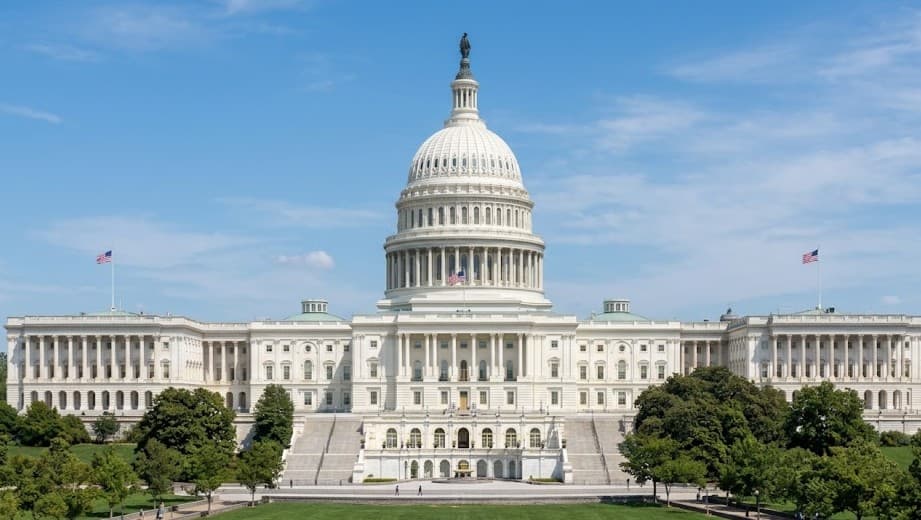
US Democrats Consider New Crypto Market Structure Framework After Congressional Sweep
News Desk
Nov 5, 2026
5 min

Hong Kong Passes Crypto Reporting Bill
News Desk
Nov 4, 2026
4 min